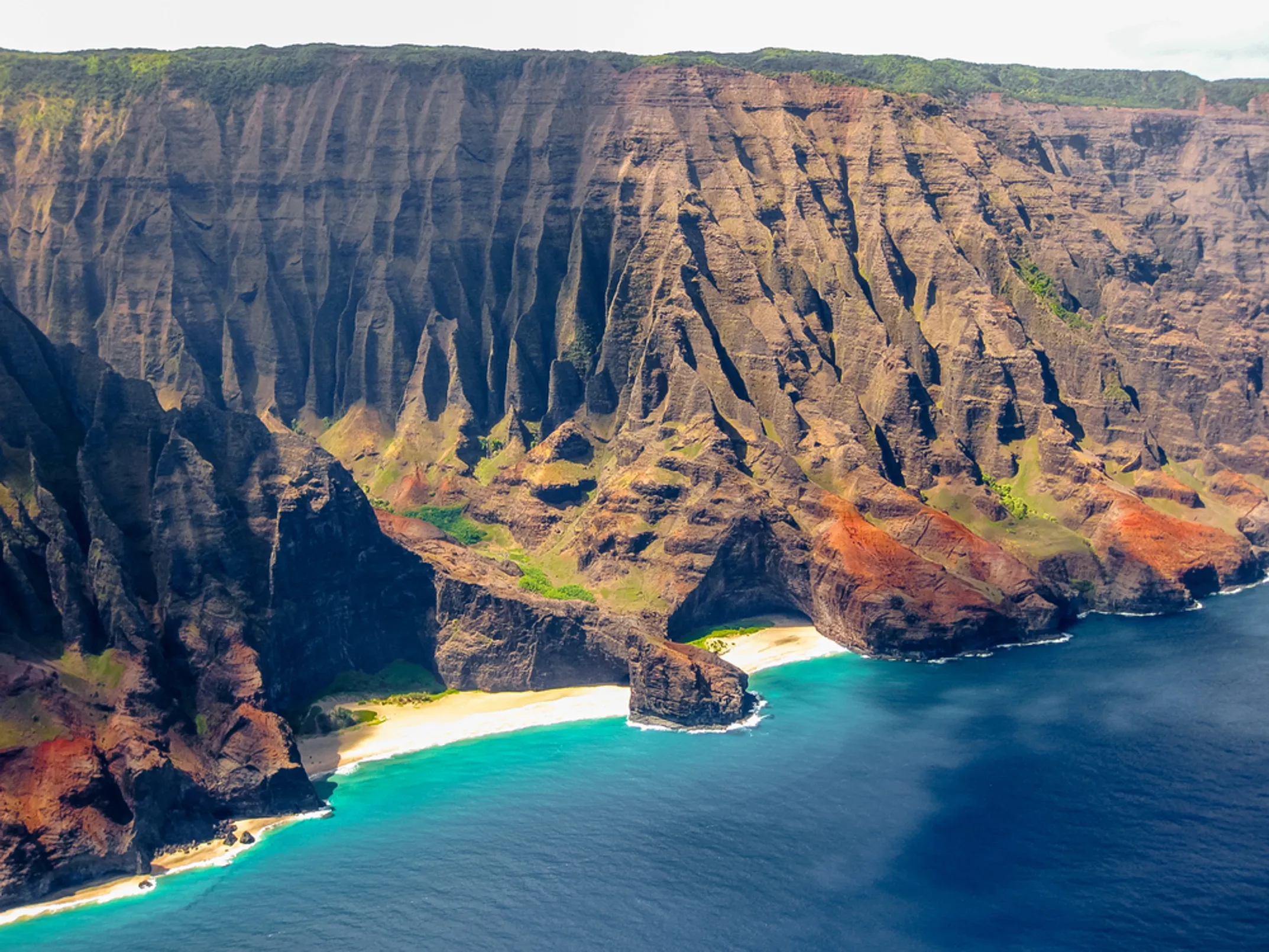
Seasonal Rhythms: When to Visit Lanai's Beaches
Understanding the island's seasonal patterns for the perfect beach experience

Written by a Local Expert
Jade KawanuiSeasonal Rhythms: When to Visit Lanai's Beaches
Lanai's beaches change dramatically with the seasons, and understanding these patterns can help you plan the perfect visit. Each season brings different opportunities and challenges.
Summer Season (April to October)
Summer is when Lanai's beaches are at their most accessible and predictable. Trade winds keep temperatures comfortable, typically in the low 80s, and ocean conditions are generally calm on the south and east shores.
Hulopoe Bay during summer is perfect for families. The water is warm, usually in the mid-70s, and the waves are gentle enough for children to play safely. Snorkeling conditions are excellent, with visibility often exceeding 100 feet. This is also the best time to see tropical fish at their most active.
Summer is also the ideal season for exploring the more remote beaches. The 4x4 roads are generally in better condition after the dry months, and the risk of getting stuck in mud is minimal. Polihua Beach can actually be pleasant during summer evenings when the trade winds die down.
The downside of summer is that this is peak tourist season. Hulopoe Bay can get crowded, especially on weekends when residents from other islands visit. If you want to experience the more popular beaches in relative solitude, plan to arrive very early in the morning.
Winter Season (November to March)
Winter transforms Lanai's beaches into something entirely different. The north and west shores, which can be calm in summer, become dangerous with huge swells generated by storms in the North Pacific. But winter also brings some of the island's most spectacular experiences.
This is whale season, when thousands of North Pacific humpback whales migrate to Hawaiian waters to breed and give birth. From December through April, you can see whales from almost any beach on Lanai. Polihua Beach offers some of the best whale watching in all of Hawaii, with whales often passing very close to shore.
Winter is also when Lanai's waterfalls are at their most impressive. While the island doesn't have the dramatic waterfalls of Maui or the Big Island, several seasonal streams create beautiful cascades after heavy rains. Some of these temporary waterfalls can be reached by hiking from remote beaches.
The trade-off is that winter weather can be unpredictable. Rain squalls can roll in quickly, turning 4x4 roads into muddy quagmires. Ocean conditions change rapidly, and beaches that were safe in the morning can become dangerous by afternoon.
Shoulder Seasons
The transition periods between summer and winter (April-May and September-October) offer some of the best beach experiences on Lanai. The crowds are smaller, the weather is still generally good, and you get the best of both seasons.
April and May are particularly nice because the humpback whales are still around, but the summer weather patterns are beginning to establish themselves. Water temperatures are warming up, but the beaches aren't yet crowded with summer visitors.
September and October can be hot, but they offer excellent snorkeling conditions as the ocean has warmed up all summer. This is also when many local families take their own beach vacations, so you might have opportunities to experience Hawaiian beach culture firsthand.
☀️ Summer Advantages
- • Calm ocean conditions
- • Excellent snorkeling visibility
- • Better 4x4 road conditions
- • Warm water temperatures
- • Family-friendly conditions
🐋 Winter Advantages
- • Humpback whale watching
- • Fewer crowds overall
- • Dramatic ocean conditions
- • Seasonal waterfalls
- • Cooler temperatures
Planning Your Complete Hawaii Itinerary
Lanai will change how you see Hawaii. It gives you a taste for adventure that you'll want to carry with you to the other islands. If you're heading to Oahu next, here's how to keep that spirit of discovery alive, whether you're seeking more adrenaline or a deep dive into history.
For Off-Road Thrills Beyond the Beach: Coral Crater Adventure Park
If the bumpy 4x4 ride to Polihua got your adrenaline pumping, Coral Crater Adventure Park on Oahu is your playground. It's a different kind of wild. This 35-acre park is designed for adventure, offering a perfect, structured contrast to Lanai's natural challenges. You can tear through the dirt on side-by-side ATVs, fly through the jungle canopy on six different zip lines, or test your courage on the aerial adventure tower, which features climbing walls and a heart-stopping 50-foot freefall. It's a fantastic option for active families and groups looking to challenge themselves in a fun, safe environment.
For a Day of History & Remembrance: Pearl Harbor Tours
Lanai's history is written in its petroglyphs and plantation ruins, but for a look into the 20th-century history that shaped all of Hawaii and the world, a visit to Pearl Harbor is a powerful and essential experience.
While planning your island-hopping, a tour of Pearl Harbor on Oahu is a must-do. Choosing a guided tour is the most efficient way to experience it. Experts handle the schedule, you get deeper insights, and you completely bypass the costs and complexities of parking.
A tour eliminates the biggest headaches: they secure the limited, hard-to-get tickets for the USS Arizona Memorial program, so you don't have to worry about them selling out. They handle transportation, saving you from navigating Honolulu traffic and paying for parking. Most importantly, a good guide transforms the visit from a simple observation of memorials into a deeply moving experience. They provide the historical context, share the personal stories of the heroes who served and sacrificed, and bring the events of that day to life in a way that reading plaques simply cannot. A guide ensures you navigate the sprawling grounds efficiently, maximizing your time and deepening your understanding of this sacred place.
After your visit to Pearl Harbor, a trip to the National Memorial Cemetery of the Pacific, known as Punchbowl Crater, offers a serene and poignant space for reflection. Located within the crater of an extinct volcano called Pūowaina, or "Hill of Sacrifice," it is the final resting place for nearly 53,000 veterans. The memorial's grand staircase leads to a chapel and the Courts of the Missing, where the names of almost 29,000 service members from World War II, the Korean War, and the Vietnam War are engraved in stone. The cemetery is a place of immense peace and beauty, offering panoramic views of Honolulu from the crater rim. It is open to visitors daily from 8:00 a.m. to 6:00 p.m.
📅 Best Times
- Swimming: Apr-Oct
- Snorkeling: May-Sep
- Whale Watching: Dec-Apr
- 4x4 Roads: Apr-Oct
- Fewer Crowds: Apr-May, Sep-Oct
🌡️ Weather
- Summer 80-85°F
- Winter 70-75°F
- Water Temp 72-78°F