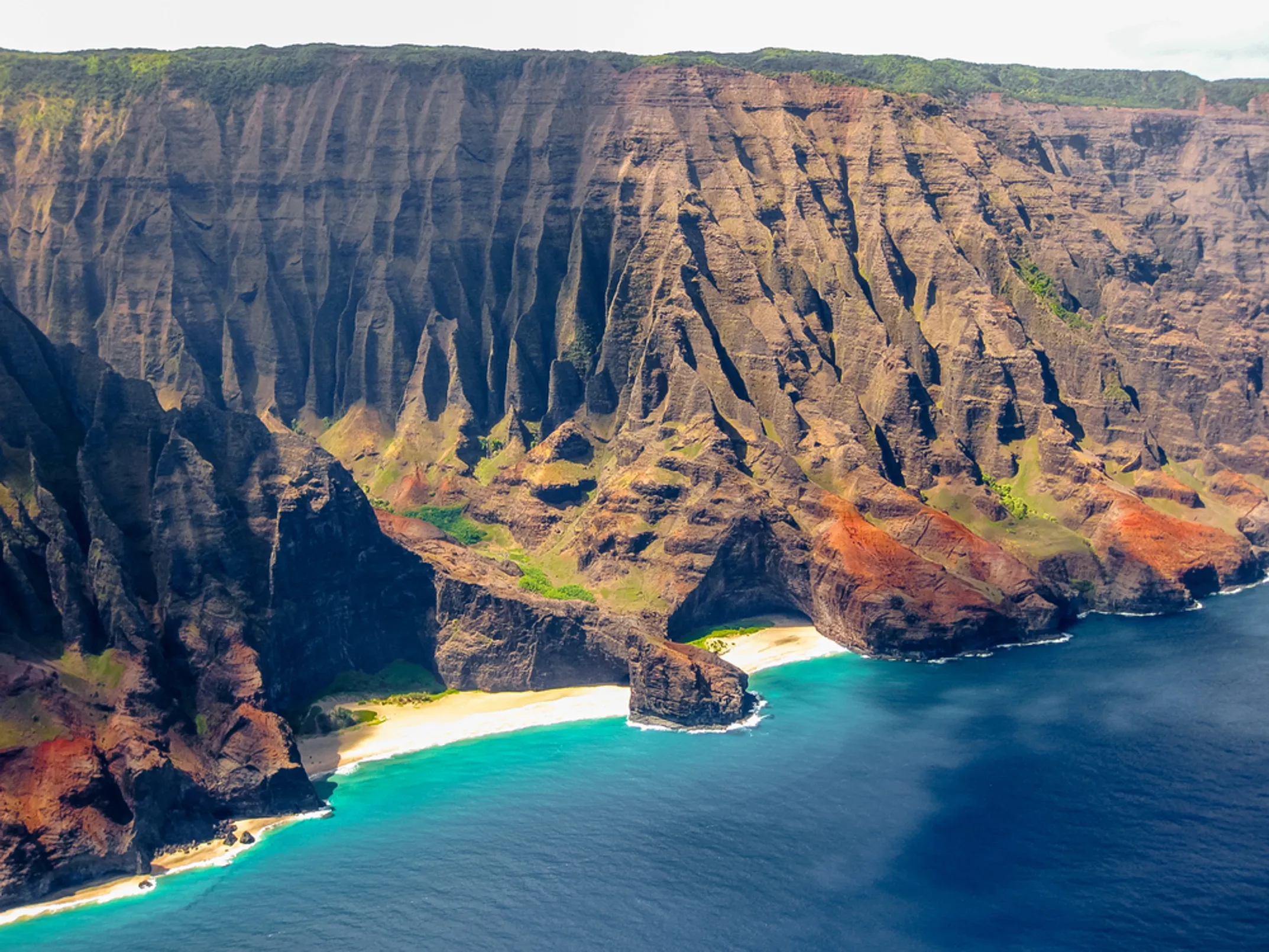
Advanced Beach Exploration Techniques
Unlock deeper secrets of Lanai's coastline through expert techniques

Written by a Local Expert
Jade KawanuiAdvanced Beach Exploration Techniques
For visitors who want to go beyond the typical beach experience, there are techniques and skills that can unlock even more of Lanai's coastal secrets.
Reading Ocean Conditions
Learning to read the ocean like a local can dramatically improve your beach experiences and keep you safe. Local families have techniques for assessing conditions that can be learned by observant visitors.
🌊 Wave Patterns
Wave patterns tell you about underwater reef structures and current systems. Consistent, evenly spaced waves usually indicate deep water offshore. Irregular waves that seem to come from different directions suggest shallow reefs or complex underwater topography.
💙 Water Color Changes
Water color changes reveal depth and bottom composition. The brilliant turquoise of Hulopoe Bay comes from sunlight reflecting off white sand in relatively shallow water. Deeper blue water indicates greater depth, while greenish water might suggest algae or runoff from recent rains.
🦅 Bird Behavior
Bird behavior can tell you about fish activity and ocean conditions. Frigatebirds diving repeatedly in one area usually means baitfish are schooling, which might attract larger fish. Seabirds flying low over the water often indicates choppy conditions, while birds soaring high suggest calm seas.
Tide Pool Exploration
Lanai's volcanic coastline creates some of the most diverse tide pool ecosystems in Hawaii. Learning to explore these miniature worlds safely and respectfully opens up an entirely different aspect of the island's marine life.
The best tide pooling happens during the lowest tides of the month, which occur around the new and full moons. At these times, you can access areas that are normally underwater, revealing creatures that most visitors never see.
Tide Pool Etiquette:
- • Approach tide pools slowly and quietly to avoid startling creatures
- • Move carefully to avoid disturbing the delicate ecosystem
- • Look for less obvious creatures that blend in with their surroundings
- • Never remove anything from tide pools
- • Replace any rocks you move to observe creatures
Look for the less obvious creatures. While sea stars and hermit crabs are easy to spot, the most interesting tide pool residents are often camouflaged or hidden. Small fish, octopuses, and eels blend in with their surroundings but reveal themselves to patient observers.
Photography and Documentation
Lanai's beaches offer incredible opportunities for photography, but capturing their essence requires more than just pointing and shooting. Understanding the light, timing, and composition can help you create images that truly represent the island's wild beauty.
📸 Golden Hour Magic
The golden hour just after sunrise and before sunset provides the most dramatic light for beach photography. But on Lanai, the magic often happens during the middle of the day when the trade winds create constantly changing cloud patterns over the ocean.
🤿 Underwater Photography
Underwater photography at places like Hulopoe Bay can produce stunning results, but it requires preparation and the right equipment. Disposable underwater cameras work for basic shots, but a quality underwater housing for your phone or camera opens up much more creative possibilities.
🎬 Document the Journey
Document not just the pretty scenes, but the real experience of exploring Lanai. The muddy boots, the scratched-up jeep, the exhausted but satisfied faces after a day of adventure—these images often mean more years later than the standard beach sunset shots.
🌅 Composition Tips
Use the rule of thirds to create balanced compositions. Include foreground elements like rocks or driftwood to add depth. Capture the scale of the landscape by including people in your shots. Look for leading lines created by the shoreline or wave patterns.
Essential Photography Gear
Camera Protection
Waterproof bag or case, lens cleaning cloth, extra batteries, and memory cards.
Lighting Tools
Polarizing filter to reduce glare, reflector for fill light, and understanding of natural light patterns.
Stabilization
Lightweight tripod for long exposures, smartphone gimbal for video, and steady hands for handheld shots.
Remember that the best camera is the one you have with you. Don't let equipment limitations stop you from capturing memories. Modern smartphones can produce stunning images when used thoughtfully, and the experience of being present in the moment is often more valuable than the perfect photograph.
🌙 Best Tide Times
- Tide Pooling: New/Full Moon
- Low Tide: Best viewing
- Morning: Best light
📷 Photo Timing
- Sunrise: 6:00-7:30 AM
- Sunset: 5:30-7:00 PM
- Midday: Cloud patterns