Capturing the Magic
A photographer's guide to Sweetheart Rock

Written by a Local Cultural Guide
Kalani MillerThe Golden Hours: Timing Your Visit for Perfect Light
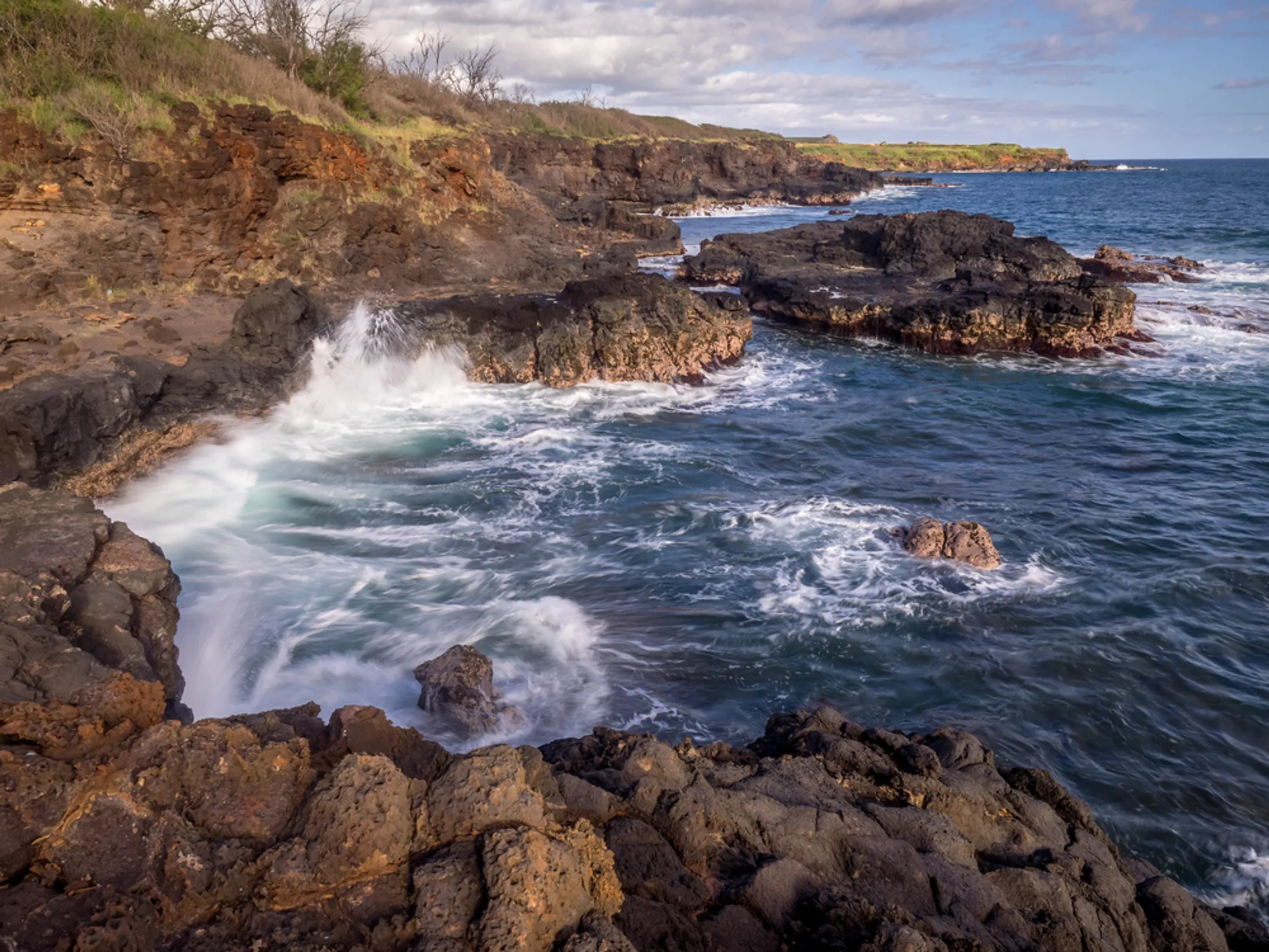
The golden hours of sunrise and sunset transform Puʻu Pehe into pure magic. The low-angle light illuminates the rich red volcanic rock and creates dramatic colors in both the sky and the water below. I've found that winter sunsets can be especially spectacular, as the sun's position creates the most dramatic lighting conditions.
From the main overlook, the classic shot captures the sea stack against the vast Pacific horizon with waves crashing at its base. But don't stop there. The real photographic treasures lie in exploring different perspectives and compositions.
Winter sunsets can be especially spectacular, as the sun's position creates the most dramatic lighting conditions on the red volcanic rock.
Creative Perspectives and Compositions
The lower sea-level areas offer incredible opportunities for creative framing. Natural rock arches and puka (holes in the lava rock) can create striking foreground elements that draw the eye toward Puʻu Pehe. Sea caves provide dramatic framing opportunities, especially when waves crash through their openings.
🌅 Golden Hour Magic
Sunrise and sunset provide the most dramatic lighting. The low-angle light illuminates the red volcanic rock and creates stunning colors in the sky and water.
Best for: Classic landscape shots, silhouettes, and dramatic color palettes.
🪨 Natural Framing
Use natural rock arches, puka (holes), and sea caves to frame Puʻu Pehe. These foreground elements add depth and draw the viewer's eye into the composition.
Best for: Creative compositions and unique perspectives.
🌊 Wide Coastal Views
Include more of Lānaʻi's dramatic coastline in your shots. On clear days, capture the neighboring islands of Maui and Kahoʻolawe in the background for context and scale.
Best for: Establishing shots and showing the broader landscape.
🌺 Intimate Details
Capture the texture of native ʻilima flowers along the trail with the blue ocean beautifully blurred behind them. These intimate details tell part of the story that wide shots miss.
Best for: Macro photography and adding variety to your portfolio.
Wildlife and Water-Based Perspectives
Water-based perspectives offer completely different views of the rock. If you arrive on Lānaʻi via the ferry from Maui, you'll see Puʻu Pehe from the ocean side, revealing how dramatically it rises from the water.
Wildlife photography opportunities abound along this coastline. Spinner dolphins frequently play in Hulopoe Bay, and their acrobatic displays create wonderful action shots. During winter months, migrating humpback whales may be visible from the overlook, though you'll need a telephoto lens to capture them effectively.
The native seabirds that nest in the area, including Wedge-tailed Shearwaters and Long-tailed Tropicbirds, make fascinating subjects. Always photograph birds from a respectful distance using a telephoto lens, and never approach or disturb them, especially near their nests.
📸 Photo Tips
- Best Time: Golden hour
- Best Season: Winter sunsets
- Gear: Wide + telephoto
- Drone: Check regulations
📖 Page Sections
🎯 Photo Subjects
- Sea stack & cliffs
- Spinner dolphins
- Native seabirds
- Coastal wildflowers
- Sunset/sunrise
Drone Photography and Advanced Techniques
A small drone can capture stunning aerial perspectives that reveal the full scope of the coastline and Puʻu Pehe's dramatic isolation. Always follow current drone regulations and be mindful of wildlife restrictions and other visitors when flying.
Remember that the best photographs often come from patience and observation rather than rushing to capture the obvious shot. Spend time at the overlook watching how the light changes, how the waves interact with the rock, and how wildlife moves through the scene. The images that emerge from this careful attention will tell much richer stories.
Patience
Spend time observing how light changes, how waves interact with the rock, and how wildlife moves through the scene.
Respect
Never compromise safety or damage the environment for a photograph. Stay on trails and respect wildlife.
Variety
Capture wide landscapes, intimate details, and everything in between to tell a complete visual story.
The best images come from patience and observation rather than rushing to capture the obvious shot. Watch how the light changes, how the waves interact with the rock, and how wildlife moves through the scene. These careful observations will help you create images that tell richer, more compelling stories.