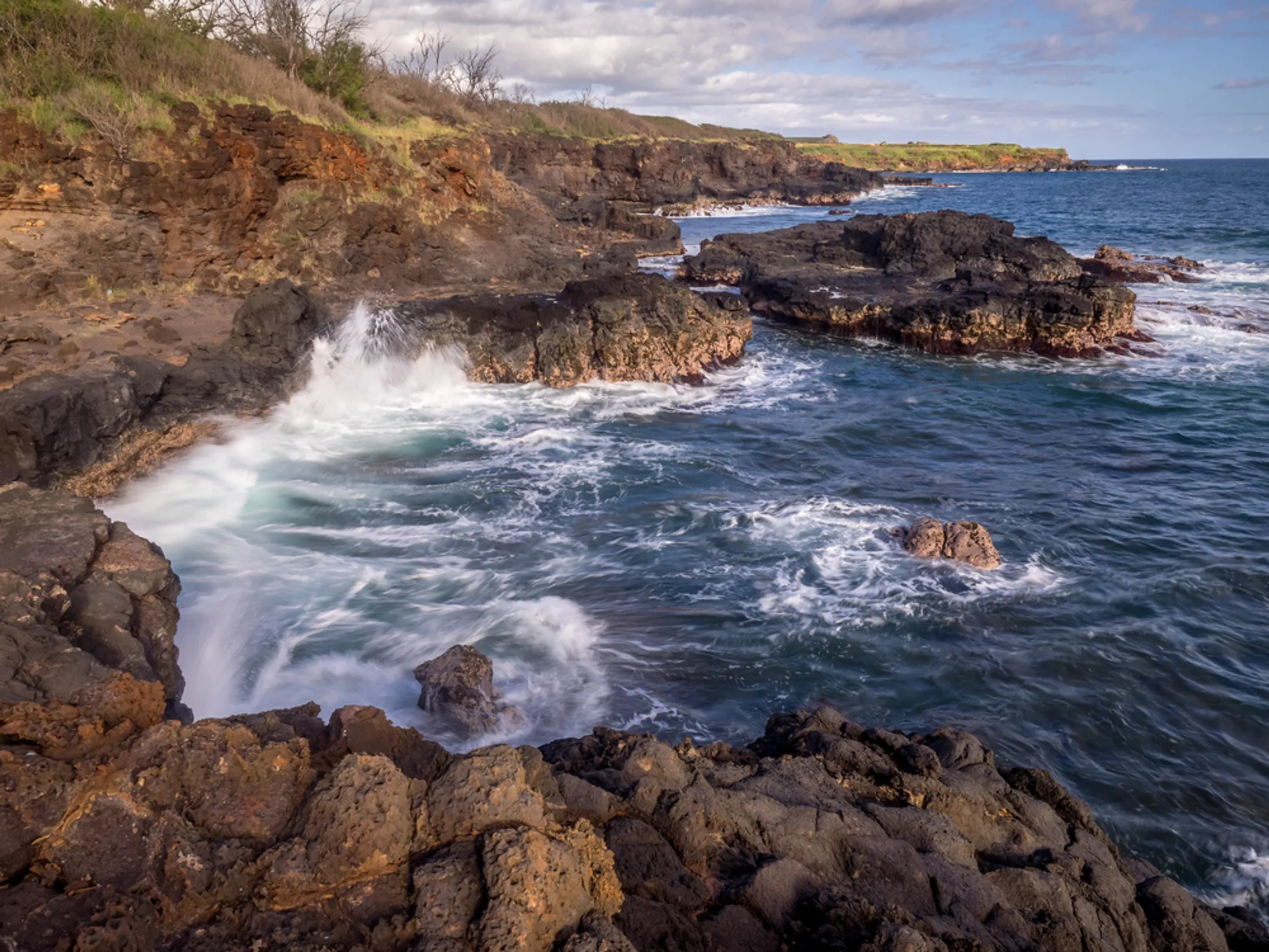
Kapihaʻā Village
Walking through centuries of Hawaiian history along the sacred coast

Written by a Local Cultural Guide
Kalani MillerBeyond the Overlook: The Cultural Landscape of Kapihaʻā
What most visitors don't realize is that the Puʻu Pehe trail isn't just a path to a scenic viewpoint. It's a journey through one of Hawaii's most significant archaeological sites. The entire area represents the historic village of Kapihaʻā, where Native Hawaiian families lived, worked, and worshipped for centuries.
This thriving community sustained itself through sophisticated dryland farming techniques and the abundant fishing grounds of Manele and Hulopoe bays. The village's strategic location provided access to both marine resources and the island's interior valleys where taro and sweet potato grew in terraced fields.
As you walk the trail, you're passing directly through this ancient neighborhood. Look carefully and you'll notice stone platforms scattered throughout the landscape. These kahua hale are the foundations where traditional Hawaiian homes once stood.
Reading the Landscape: Archaeological Features
Families gathered on these platforms for meals, storytelling, and the daily activities that bound communities together. Understanding what you're seeing transforms the hike from a simple walk into a meaningful encounter with living history.
🏠 Kahua Hale
Home Foundations
Stone platforms scattered throughout the landscape where traditional Hawaiian homes once stood. Families gathered here for meals, storytelling, and daily activities that bound the community together.
⛩️ Village Heiau
Sacred Temple
The village heiau stands in a prominent location overlooking the bays. This sacred temple was where residents made offerings and prayers, likely focused on ensuring abundant fishing or calling for life-giving rain.
🎣 Koʻa
Fishing Shrine
Near the water, you can still see the remains of a koʻa, a fishing shrine where fishermen made offerings to the akua for protection at sea and successful catches. Essential to the village's survival.
🌾 Agricultural Systems
Dryland Farming
Sophisticated dryland farming techniques allowed cultivation of taro and sweet potato in terraced fields. The village's location provided access to both marine and agricultural resources.
Daily Life in Ancient Kapihaʻā
The village heiau stands in a prominent location overlooking the bays. This sacred temple was where residents made offerings and prayers, likely focused on ensuring abundant fishing or calling for life-giving rain during dry seasons. The heiau's position shows how central spiritual practice was to daily life in Kapihaʻā.
Near the water, you can still see the remains of a koʻa, a fishing shrine where fishermen made offerings to the akua for protection at sea and successful catches. These spiritual sites were essential to the village's survival, creating sacred connections between the community and the ocean that sustained them.
🏛️ Village Info
- Name: Kapihaʻā
- Type: Coastal village
- Era: Pre-contact Hawaii
- Steward: LC&H Center
📖 Page Sections
🔍 What to Look For
- Stone platforms (kahua hale)
- Village heiau structures
- Fishing shrine (koʻa)
- Terraced field remnants
Preservation and Stewardship
The Lānaʻi Culture & Heritage Center serves as the official steward of these archaeological treasures. Their researchers and cultural practitioners work constantly to preserve and interpret the rich history of places like Kapihaʻā. They offer the most authoritative information about the site and continue the important work of sharing Native Hawaiian history with respectful accuracy.
Understanding this broader cultural landscape transforms the Puʻu Pehe experience from a simple photo opportunity into a meaningful encounter with living history. You're not just visiting a scenic overlook. You're walking in the footsteps of the Native Hawaiian families who called this beautiful coast home for generations.
Observe
Look carefully for stone platforms and structures as you walk. These archaeological features tell the story of daily life.
Respect
Never touch, move, or disturb archaeological features. These sites are protected by law and sacred to Hawaiian culture.
Learn
Visit the Lānaʻi Culture & Heritage Center to deepen your understanding of Kapihaʻā and other island sites.
When you walk through Kapihaʻā with understanding, you transform from a tourist into a student of Hawaiian culture. You become part of the ongoing story of this place, carrying its lessons forward and honoring the families who lived here for centuries.