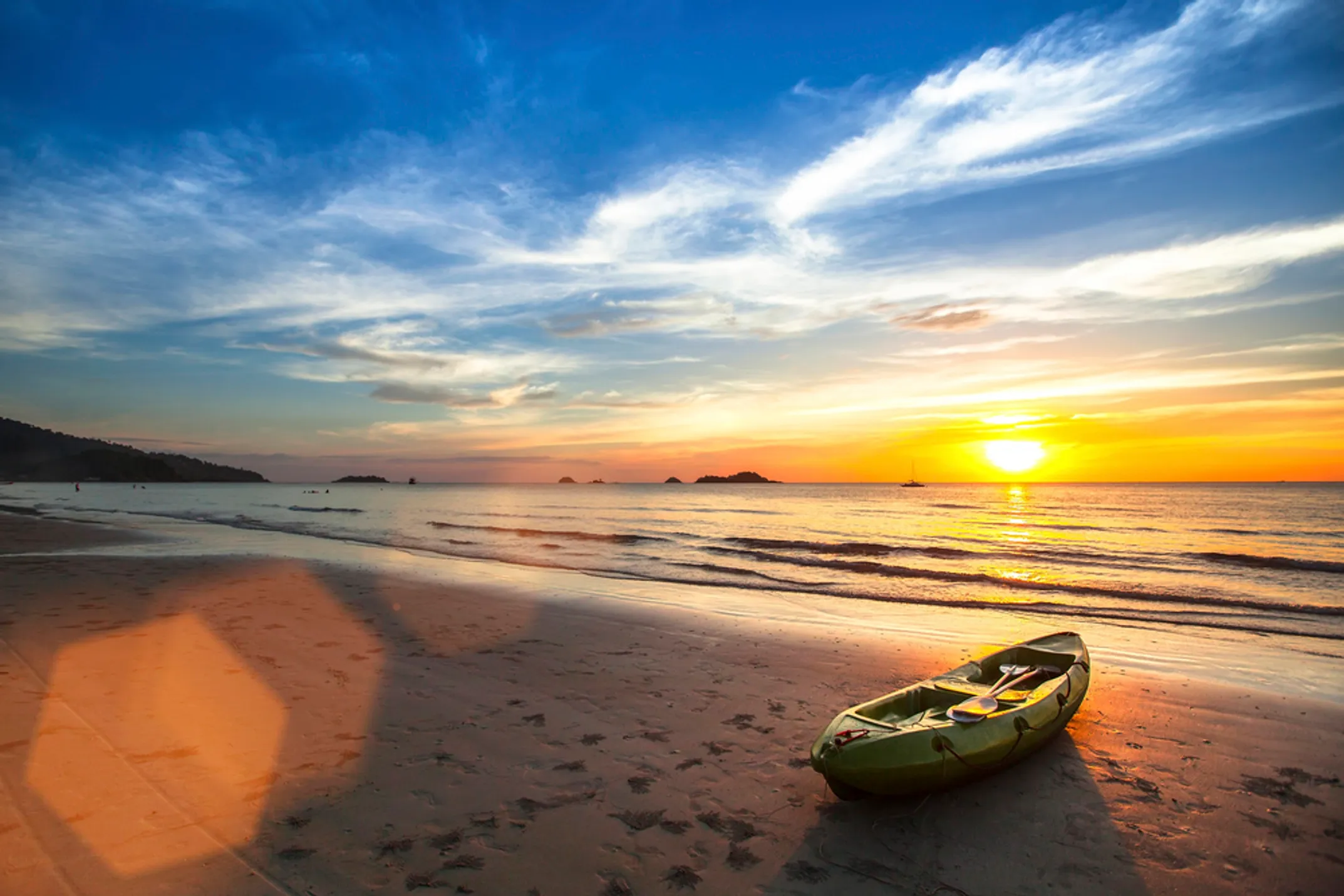
Winter Paddling on the South Shore
Poipu & Lāwaʻi Bay: Front Row to the Humpback Highway

Written by a Local Expert
Jade KawanuiWinter Paddling on the South Shore: Poipu & Lāwaʻi Bay
When winter swells make the North Shore and Nā Pali Coast inaccessible, Kauai's sunny South Shore comes alive for ocean kayakers. This area offers a fantastic alternative for experienced paddlers, providing a ruggedly beautiful coastline and one of the best opportunities in the world to encounter majestic marine life.
The Sunny Side Paddle
The prime season for South Shore kayaking is during the winter months, roughly from December through March. While the north is getting pounded by massive waves, the waters around Poipu are often more manageable, though still considered challenging open-ocean conditions.
A typical tour launches from Koloa Landing or Kukuiʻula Harbor and follows the ancient canoe paths of the Polynesians westward along a coastline of volcanic cliffs and hidden beaches. You'll paddle past landmarks like the Spouting Horn blowhole and toward the secluded and stunning Lāwaʻi Kai beach.
Important: This is not a beginner paddle. It requires good physical condition and comfort with ocean swells and currents. Intermediate to advanced paddlers only.
A Front Row Seat to the Humpback Highway
The number one reason to paddle the South Shore in winter is the whales. There's nothing on Earth quite like being in a small kayak when a 40-ton humpback whale breaches a few hundred yards away. You feel the sound in your chest before you hear it.
From December to March, these waters are a highway for humpback whales on their annual migration from Alaska to birth and nurse their calves. While the larger whale-watching catamarans are a great option, being in a kayak offers a profoundly different and more intimate experience. At water level, you're truly a guest in their world.
More Than Just Whales
In addition to whales, these waters are teeming with life. It's common to be joined by pods of playful spinner dolphins, to see honu (sea turtles) surfacing for air, and even to spot the critically endangered Hawaiian monk seal sunning itself on a remote beach.
A highlight of this paddle is often a stop at Lāwaʻi Kai, the beautiful beach fronting the National Tropical Botanical Garden's Allerton Garden. As this beach is very difficult to access by land, arriving by kayak feels like discovering a hidden paradise.
🐋 Humpback Whales
40-ton giants that migrate from Alaska. Watch for breaches, tail slaps, and hear their haunting songs underwater.
🐬 Spinner Dolphins
Playful pods that often approach kayakers. Known for their acrobatic spinning leaps from the water.
🐢 Hawaiian Green Sea Turtles
Honu frequently surface for air in these waters. Watch them gracefully swimming or resting near reefs.
🦭 Hawaiian Monk Seals
Critically endangered. Occasionally spotted resting on remote beaches. Maintain 100-foot distance.
Launch Points and Logistics
Koloa Landing: The most popular launch point, offering a concrete boat ramp for easy entry. No facilities on-site, so come prepared.
Kukuiʻula Harbor: A small boat harbor that some tour operators use. More protected from swells but requires navigation through harbor traffic.
Federal Law Reminder: All vessels (including kayaks) must maintain a minimum distance of 100 yards from humpback whales. This is federal law with serious penalties. If a whale surfaces closer to you than 100 yards, stop paddling and let the animal move away on its own.
Plan Your Perfect Kayaking Trip
Ready to book your adventure? Get the complete planning guide with outfitters, rentals, and safety tips.
ℹ️ Quick Info
- Skill Level: Intermediate+
- Duration: 3-4 hours
- Best Season: Dec-Mar
- Water Type: Open ocean
- Whale Season: Peak: Jan-Feb
🎒 What to Bring
- Reef-safe sunscreen
- Waterproof camera
- Plenty of water
- Dry bag
- Snorkel gear
- Hat & sunglasses
🐋 Whale Season
- December: First arrivals begin
- January-February: Peak season
- March: Mothers with calves
- April: Last sightings
📖 Kayaking Guide
⚖️ Federal Law
Maintain 100 yards from whales, 100 feet from monk seals. Never touch, chase, or feed marine animals.