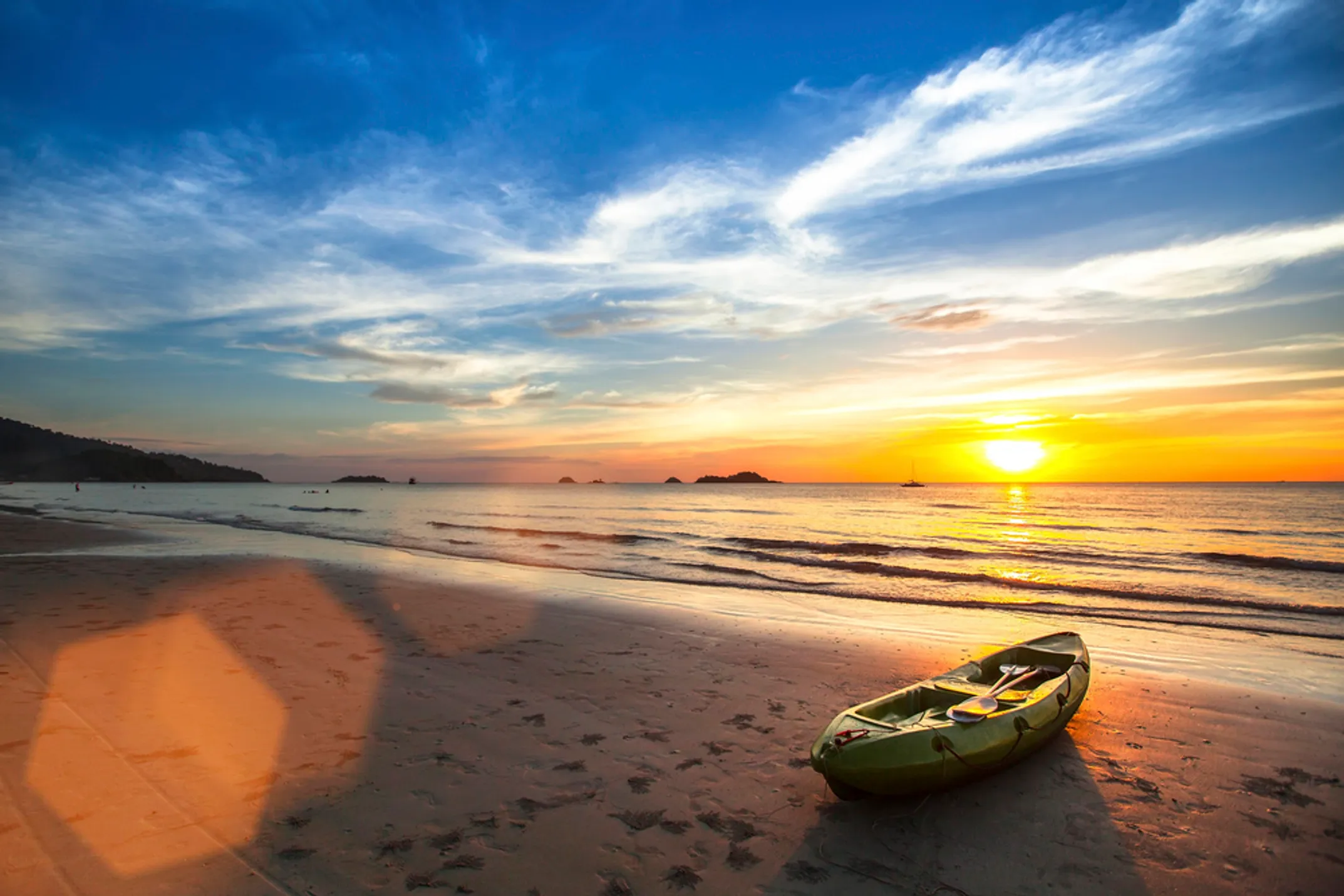
Your Essential Safety Playbook
Paddle with Kuleana (Responsibility)

Written by a Local Expert
Jade KawanuiYour Essential Kauai Kayaking Safety Playbook
Paddling in Kauai is one of the most rewarding experiences you can have, but the beauty of our island is matched by its power. The ocean and rivers can change in an instant. Being prepared is the key to a safe and enjoyable adventure.
As locals, we have deep respect for the water, and we have a word for the responsibility that comes with it: kuleana. This is your paddling with kuleana playbook.
Mālama i ke Kai – Respect the Ocean and Rivers
The single most important rule of water safety in Hawaii is to check conditions before you go out. Never assume it's safe.
Official Weather & Ocean Reports
For the most reliable information on wind, swell, and sea conditions, the National Oceanic and Atmospheric Administration (NOAA) is the definitive source. You can find their marine forecast for Kauai waters at their official marine weather page.
River Levels & Flash Flood Risk
Flash floods are a serious danger on Kauai's rivers. Heavy rain deep in the mountains can send a surge of water downriver even if it's sunny where you are.
Critical Warning Signs: The river water rapidly turning brown and murky and the water level rising quickly. If you see this, get out of the water and to higher ground immediately. You can check real-time river gauge data through NOAA's water services. A stage of 15 feet can indicate flooding in lower reaches, while a stage of 5 feet can indicate flooding of Kuhio Highway.
Understanding Ocean Dangers
Rip Currents
Powerful channels of water and the main cause of ocean rescues.
If Caught: Stay calm. Don't swim against it. Swim parallel to shore until out of the current, then make your way back.
Shorebreak & Swells
Demand constant vigilance, especially when launching or landing.
Rule: Never turn your back on the ocean. Unexpected waves can knock you over and pull you out.
Health and Environmental Responsibility
Leptospirosis Awareness
Leptospirosis is a bacteria found in freshwater streams and rivers in tropical environments. While the risk of infection is generally low, it's not zero. You can minimize your risk by avoiding swallowing river water and making sure any open cuts or scrapes are covered with waterproof bandages.
Respecting Wildlife (ʻĀina)
We share these waters with incredible wildlife. It's our responsibility to keep them safe and wild. Federal and state laws require you to maintain specific distances:
Humpback Whales: 100 yards (length of a football field) - Federal law
Hawaiian Monk Seals: 100 feet - Federal law
Dolphins: 50 yards - Recommended
Honu (Sea Turtles): At least 20 feet - Recommended
Never touch, feed, or chase any marine animal. Observe from a distance and let them behave naturally.
Essential Gear Checklist
Having the right gear is crucial for both safety and comfort. Here's a checklist for your Kauai kayaking adventure.
Absolute Must-Haves
- • Personal Flotation Device (PFD) / Life Jacket (must be worn or on craft)
- • Reef-Safe Sunscreen (SPF 30+, mineral-based)
- • Polarized Sunglasses with retainer strap
- • Wide-Brimmed Hat with chin strap
- • Ample Drinking Water (reusable bottle)
- • Dry Bag to protect keys, phone, valuables
Highly Recommended
- • Proper Footwear: Water shoes or sport sandals with heel strap
- • Quick-Drying Clothing: Synthetic shirts, rash guards, board shorts
- • Waterproof Phone Case with lanyard
- • Bug Repellent (especially for Secret Falls)
- • Lightweight Rain Jacket or Poncho
- • Energy-boosting snacks
Advanced Kayaking Tips for the Serious Paddler
Once you've mastered the basics and experienced Kauai's gentler waters, you might find yourself craving more challenging adventures. Here are some advanced techniques and considerations for taking your paddling to the next level.
Reading Water Conditions Like a Local
Wind Patterns
Trade winds typically blow from the northeast at 10-25 mph. They're strongest in the afternoon and often die down in the early morning. This is why many tours start early.
Swell Direction
Winter brings large north and northwest swells that make the North Shore dangerous. Summer brings smaller south swells that affect the South Shore.
Tidal Influences
While Hawaii doesn't have extreme tides, they still affect river mouths and shallow areas. Low tide can expose reefs and make navigation tricky.
Advanced Paddling Techniques
- Bracing: Learn to use your paddle as a support when waves hit your kayak sideways. A good brace can prevent a capsize.
- Rolling: While not essential for most Kauai paddling, knowing how to roll your kayak can be a lifesaver in rough conditions.
- Surf Zone Navigation: Getting through breaking waves requires timing, power, and technique. Practice in small surf before attempting larger conditions.
Developing Your Skills Progressively
- Start Small: Begin with the Hanalei River or calm sections of the Wailua.
- Build Endurance: Gradually increase your paddle distance and time on the water.
- Learn Rescue Techniques: Practice self-rescue and assisted rescue with experienced paddlers.
- Take a Class: Consider taking a sea kayaking course to learn proper techniques and safety procedures.
Dive Deeper into Hawaiian Culture
Learn about the cultural significance, marine life, and conservation efforts that make these waters so special.
🚨 Emergency Contacts
- Emergency: 911
- Coast Guard: (808) 842-2600
- Ocean Safety: (808) 241-4984
- Weather/Ocean: NOAA Marine Forecast
✅ Before You Paddle
- Check weather & ocean conditions
- Tell someone your plans
- Inspect your equipment
- Bring plenty of water
- Start early to avoid crowds
🌤️ Seasonal Patterns
- Apr-Oct (Dry): Calmer winds, best for Nā Pali
- Nov-Mar (Wet): More rain, rivers can flood, South Shore best
- Hurricane Season: June-November, rare but check forecasts
📖 Kayaking Guide
⚠️ Safety First
When in doubt, don't go out. The ocean will be there tomorrow. Your safety is more important than any adventure.