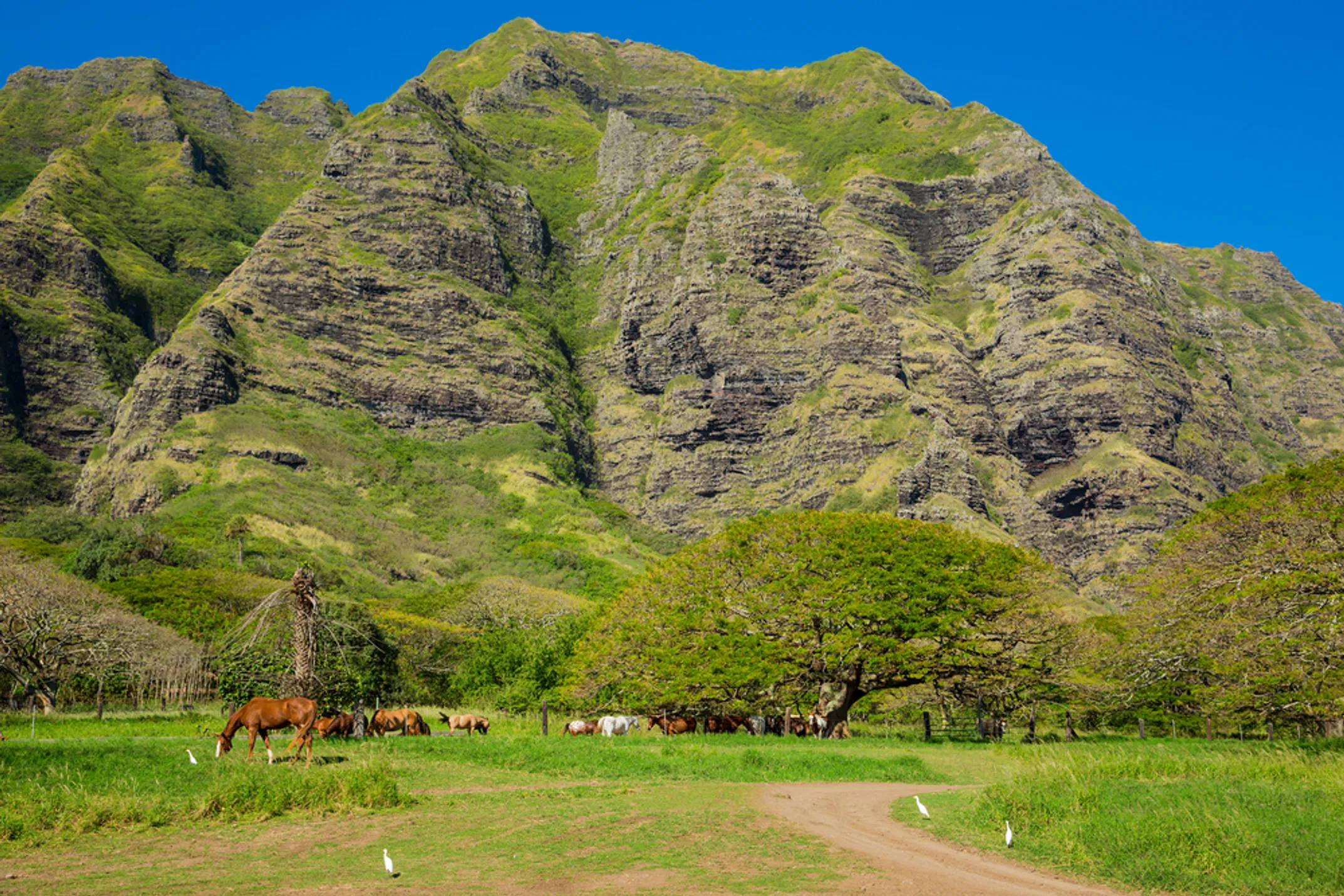
Planning Your Kauai Horseback Adventure
Everything you need to know for a safe, comfortable, and unforgettable ride

Written by a Local Expert
Jade KawanuiA First-Timer's Handbook to Riding in Kauai
Never been on a horse before? No worries! Kauai is the perfect place to learn. The horses are gentle, the guides are patient, and the views are a fantastic distraction. Here are a few tips to make your first ride smooth, safe, and fun.
What to Wear: The Non-Negotiables
👖 Long Pants
This is the most important rule. Jeans, leggings, or any comfortable long pants will protect your legs from chafing against the saddle. Riding in shorts is a recipe for discomfort and possible skin irritation. The tropical sun can be intense, but long pants will also protect you from sunburn on your legs.
👟 Closed-Toe Shoes
All stables require this for safety. Sturdy sneakers are fine, but boots with a small heel are even better as they help keep your foot from slipping through the stirrup. No sandals, flip-flops, or water shoes. If you don't have appropriate shoes, many stables can provide them, but it's better to come prepared.
👕 Comfortable, Breathable Clothing
Choose fabrics that move with you and won't restrict your movement. Cotton or moisture-wicking synthetic materials work well in Hawaii's humid climate. Avoid anything too loose that could catch on branches or equipment.
What to Bring: The Essentials
☀️ Sun Protection
The Hawaiian sun is strong, especially when you're riding in open areas without tree cover. Bring reef-safe sunscreen, sunglasses, and a hat that fits snugly or has a chin strap so it doesn't blow off and spook the horses. Reapply sunscreen before your ride—you'll be exposed to both direct sun and reflected light from water and sand.
💧 Water
Horseback riding is more of a physical activity than many people realize, and you'll get thirsty. Bring a reusable water bottle. Most stables provide a small saddlebag to carry it in, but check when you book. Staying hydrated is especially important in Hawaii's warm climate.
🧥 Rain Jacket
Especially for North Shore rides, a light, packable rain jacket is a lifesaver. Showers can pass through quickly, and tours run rain or shine. A good rain jacket will keep you comfortable and help you enjoy the ride even if you encounter a brief tropical shower.
📸 Camera or Phone
You'll want to capture the incredible views, but make sure your device is secure. Many riders opt for a phone case with a wrist strap or a small camera that can fit in a pocket. Ask your guide about the best times to stop for photos—they know the most photogenic spots.
🦟 Insect Repellent
A good idea for any trail ride through lush areas, particularly on the North Shore where mosquitoes can be present in shaded, moist areas. Choose a DEET-based repellent for best protection.
Riding & Safety 101
These basic riding tips will help you feel confident and comfortable from the moment you mount up.
Trust Your Guide and Your Horse
These horses know their jobs and have walked these trails hundreds of times. Listen to your guide's instructions, and trust your horse to know the way. Horses are incredibly intelligent animals with excellent memories for trail routes and potential hazards.
Posture is Key
Sit up straight and tall, but stay relaxed. Think of it as sitting in a chair rather than perching on top of the horse. Your horse can feel your tension, so take a deep breath and enjoy the ride. Avoid the temptation to hunch over or hold onto the saddle horn for balance—good posture is much more stable and comfortable.
Keep Your Heels Down
This is the most important technical tip for beginners. Press your heels down in the stirrups and keep your toes pointed slightly up. This position gives you a more secure seat and prevents your feet from slipping through the stirrups.
Hold the Reins Gently
You don't need a death grip on the reins. Hold them like you're holding a small bird—firm enough that it won't escape, but gentle enough that you won't hurt it. Most trail horses are trained to follow the horse in front of them, so steering is usually minimal.
Be Calm
Avoid loud noises or sudden movements that could startle the horses. Keep your phone on silent and speak in normal tones. Horses are prey animals by nature, so they're always alert to potential threats. Your calm, confident energy will help keep your horse relaxed.
Listen to Your Body
If something doesn't feel right, speak up immediately. Good guides want you to be comfortable and safe, and they can make adjustments to your stirrup length, saddle position, or riding technique to help you feel more secure.
Paniolo Etiquette
Your guides are incredible sources of knowledge about the land, the history, and the culture of Hawaii. They can tell you about the plants, the geology, the wildlife, and stories about the ranch that have been passed down through generations. Ask them questions! Most guides love sharing their knowledge and passion for the island.
The Hawaiian concept of "talk story" is perfect for horseback rides. This is the local tradition of sharing stories, experiences, and knowledge in a relaxed, conversational way. Your guide might tell you about growing up on the island, working with cattle, or their family's connection to the land. These stories often provide the most memorable and meaningful parts of the experience.
If you have a wonderful, safe, and memorable time, tipping your guide is a customary and much-appreciated way to show your gratitude. A tip of 15-20% is standard for good service, similar to what you'd tip at a restaurant. Remember that many guides depend on tips as a significant part of their income.
Understanding the Rules
You'll notice every stable has strict age and weight limits. Please be honest when booking. These rules aren't arbitrary—they are in place for the health, safety, and comfort of both the horses and the riders. Horses are powerful animals, but they have limitations, and responsible operators set limits that ensure everyone stays safe.
Weight limits exist because horses can safely carry only a certain percentage of their own body weight. A typical trail horse weighs between 1,000 and 1,200 pounds, so a weight limit of 250 pounds means the horse is carrying about 20% of its body weight, which is within safe guidelines for sustained activity.
Age limits are based on both safety and the child's ability to follow instructions. Younger children may not have the attention span or physical coordination needed to ride safely, especially on trails with varied terrain.
Also, a quick note to manage expectations: local regulations generally prohibit commercial tours from riding directly on the wet sand of the shoreline. So, when you book a "beach ride," you'll typically be on scenic trails that run alongside and overlook the beach, which is just as beautiful and safer for everyone. The soft sand near the water can be unstable and dangerous for horses, especially if there are hidden holes or rocks.
✅ Pre-Ride Checklist
- Book 2+ weeks ahead
- Wear long pants
- Closed-toe shoes
- Bring sunscreen
- Pack water bottle
- Rain jacket (North Shore)
- Arrive 15 min early
🎯 Skill Levels
-
Never Ridden
All ranches welcome you!
-
Some Experience
Consider Esprit De Corps
-
Advanced Riders
CJM private tours, Esprit De Corps
Booking Your Tour & Finding the Best Value
A little planning goes a long way in securing the perfect ride. Here's how to navigate the booking process like a pro and ensure you get the experience you're dreaming of.
Book in Advance: The Golden Rule
I can't say this enough. The best tours on Kauai sell out, especially during peak travel seasons (summer and winter holidays). I recommend booking at least a couple of weeks in advance to get the ranch and time slot you want. Popular tours like the waterfall rides can book up months in advance during busy periods.
If you're traveling during peak season (December through April, and June through August), consider booking even earlier. Some visitors book their horseback rides at the same time they book their flights and accommodations.
Don't wait until you arrive on the island to book. While you might get lucky and find availability, you'll have much better options if you plan ahead. Plus, booking in advance gives you something to look forward to and helps you plan the rest of your itinerary around your ride.
Book Direct: Skip the Middleman
While third-party booking sites exist, I always recommend booking directly through the ranch's official website or by calling them. This ensures you get the most accurate and up-to-date information on availability, tour details, and requirements.
Booking direct also means you're dealing with people who actually work at the ranch and know the horses, the trails, and the conditions. They can answer specific questions about what to expect and help you choose the right tour for your group.
Many ranches offer discounts for direct bookings or for booking multiple tours. They might also have last-minute availability that doesn't show up on third-party sites.
Ask the Right Questions
Before you click "book," make sure you're clear on the details. Here are some important questions to ask:
"What is your cancellation policy, especially for weather?"
Weather in Hawaii can be unpredictable, especially on the North Shore. Understand what happens if your tour is cancelled due to rain, wind, or other weather conditions. Most reputable operators will reschedule or provide a full refund for weather cancellations.
"What is the actual time we will be in the saddle versus the total tour time?"
Tour times often include check-in, safety briefings, and travel time to and from the trails. Make sure you understand how much time you'll actually spend riding.
"Can you describe the difficulty of the trail and the fitness level required?"
This is especially important for tours that include hiking or water activities. Be honest about your fitness level and any physical limitations.
"What happens if someone in our group can't continue the tour?"
If you're traveling with children or elderly family members, understand the ranch's policy for situations where someone needs to turn back early.
"Do you provide any equipment, and what should we bring?"
Most ranches provide helmets if required, but policies vary on other equipment like rain gear or boots.
Understanding Pricing and Value
Horseback riding tours on Kauai range from about $99 to over $350 per person, depending on the length, location, and inclusions. While it can be tempting to just pick the cheapest option, think about the value of the experience you want.
Group vs. Private Tours
Private tours cost significantly more but offer incredible value for special occasions or experienced riders. You get a customized experience, more flexibility in pace and route, and often access to areas that group tours can't visit.
Tour Length
Longer tours generally offer better value per hour, but only if you'll enjoy the extra time. A 3-hour tour isn't necessarily better than a 2-hour tour if the extra time is spent on activities you're not interested in.
Inclusions
Compare what's included in the price. Some tours include meals, drinks, or gear, while others charge extra for these items. Factor in these costs when comparing prices.
Group Size
Smaller groups generally provide a better experience but may cost more. Ask about maximum group sizes when booking.
Seasonal Considerations
Different seasons offer different advantages for horseback riding on Kauai:
Winter (December-March)
This is peak tourist season, so expect higher prices and fuller tours. However, winter is also when the North Shore waterfalls are at their most spectacular due to increased rainfall. Book well in advance for this period.
Spring (April-May)
Excellent weather and fewer crowds make this an ideal time for horseback riding. Prices may be slightly lower than peak season.
Summer (June-August)
Hot and busy, but generally good weather. This is peak season for families, so tours that are good for kids book up quickly.
Fall (September-November)
Often considered the best time to visit Kauai. Weather is generally excellent, crowds are lighter, and prices may be lower. This is my personal favorite time for horseback riding.
Ready to Explore Kauai's Culture?
Learn about the rich paniolo heritage, environmental stewardship, and cultural significance of horseback riding in Hawaii.
Discover Paniolo Culture