Capturing Pele's Creation: A Photographer's Guide
Part V: Techniques for Photographing Volcanic Beauty
Written by a Local Expert
Kalani MillerPart V: Capturing Pele's Creation: A Photographer's Guide
Pohoiki is a photographer's dream. A place of stark contrasts and raw, elemental beauty. But capturing its essence requires understanding its unique light and setting.
Composition & Subjects
The photo opportunities here are endless. Focus on the powerful contrasts that define the place:
🖤 The Black Sand and Water
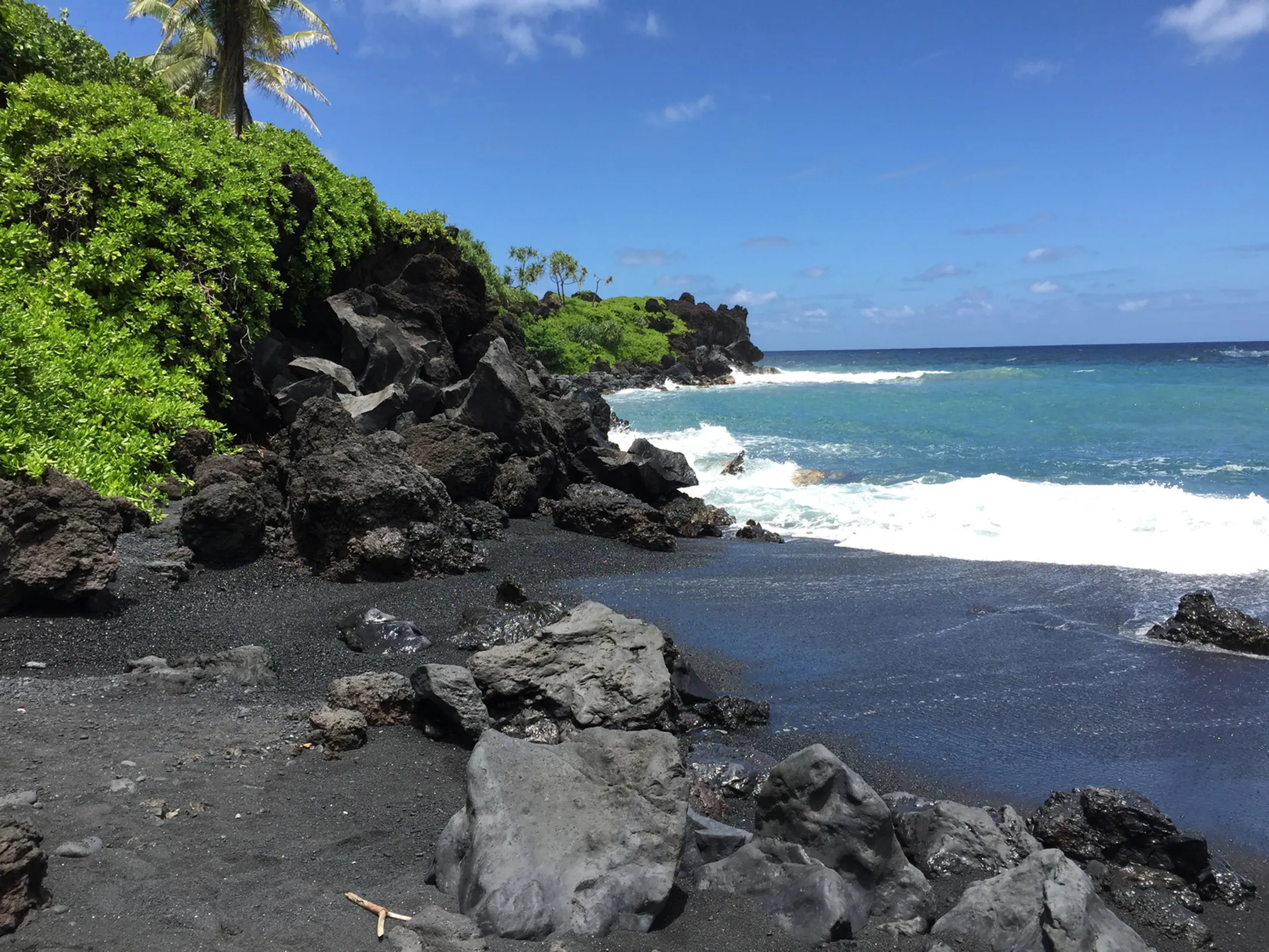
The primary subject is the jet-black sand against the brilliant turquoise of the Pacific and the deep green of the jungle palms that line the park. This color palette is unlike almost anywhere else.
💨 Steam and Heat
The steam rising from the thermal ponds, especially in the cool morning air, creates an ethereal, mysterious atmosphere. Capturing this steam adds a sense of the geothermal energy just beneath the surface.
🌋 The Lava Wall
On the north side of the park stands the imposing wall of the 2018 lava flow. Photographing this wall next to the park's green lawn or the new beach tells the story of where destruction stopped and creation began.
💎 Macro Details
Get close to the sand itself. Macro shots can reveal the coarse texture and the tiny green olivine crystals sparkling within the black basalt.
🌴 Symbols of Rebirth
Look for the young coconut palms that locals have planted on the new beach. A powerful symbol of hope and recovery.
The Magic Hour: Sunrise is Key
For photographers, timing is everything at Pohoiki. My strongest recommendation is to be there for sunrise. As an east-facing beach, Pohoiki is bathed in the soft, beautiful light of the rising sun. This "golden hour" light is far more flattering than the harsh midday sun. There are several other advantages to a sunrise shoot:
👥 Fewer Crowds
You will likely have the beach almost to yourself. This allows for clean, unobstructed compositions.
🌡️ Cooler Temperatures
The air is cooler, which means less heat shimmer and more visible steam rising from the hot ponds.
🎨 Pastel Skies
Sunrise often produces softer, more pastel colors in the sky compared to the sometimes harsh, fiery colors of sunset.
Note: A sunset shoot is not ideal here, as the beach will be in shadow.
Technical Tips for a Volcanic Setting
This environment can be challenging for camera gear. But with a few techniques, you can get stunning results.
📸 Bring a Tripod
A sturdy tripod is essential. You'll need it for stability during the low light of sunrise and to potentially use slow shutter speeds to blur the motion of the powerful waves. This creates a soft, misty effect against the hard black sand.
🔍 Use a Variety of Lenses
A wide-angle lens is perfect for capturing the immense scale of the new beach and the lava fields. A telephoto lens will allow you to compress the scene, bringing the distant lava wall closer, or to isolate details like surfers on the waves.
⚖️ Manage the Contrast
The dynamic range here is extreme. From bright sky to dark black sand. To avoid losing detail in the shadows or blowing out the highlights, use exposure bracketing (taking multiple shots at different exposures to merge later) or a graduated neutral-density (GND) filter to darken the sky.
🛡️ Protect Your Gear
Volcanic sand is fine and abrasive. The salt spray is corrosive. Protect your camera and lenses. Avoid changing lenses on the beach if it's windy. Wipe down your equipment with a clean, damp cloth after your shoot.
📖 Complete Guide
⏰ Best Photo Times
📷 Recommended Gear
- Sturdy tripod
- Wide-angle lens
- Telephoto lens
- GND filters
- Lens cleaning kit
- Extra batteries
🎯 Photo Subjects
Black Sand Contrast
vs turquoise water
Steam & Heat
Thermal pond mist
Lava Wall
Destruction meets creation
Olivine Crystals
Macro details