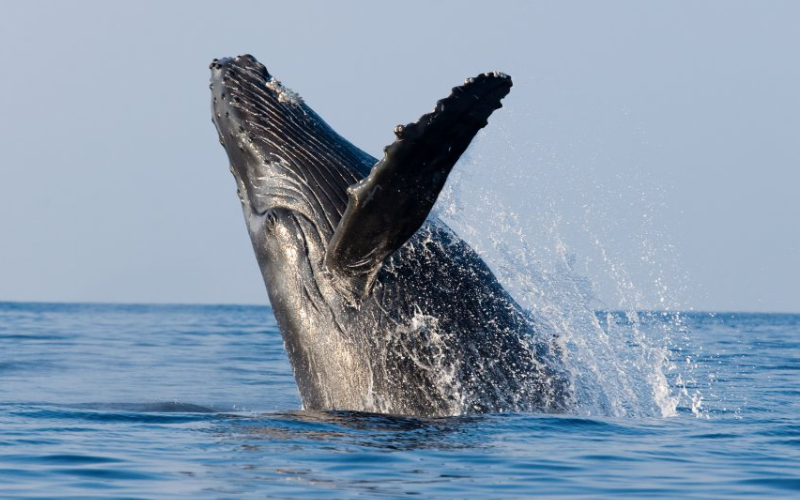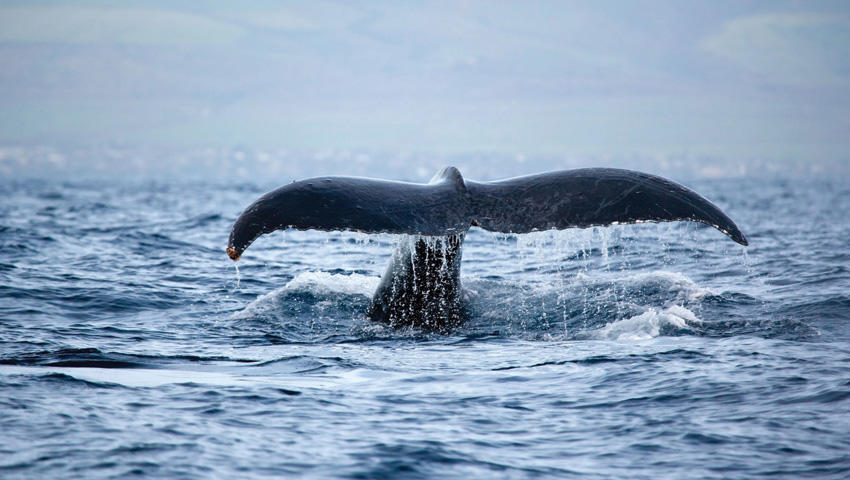
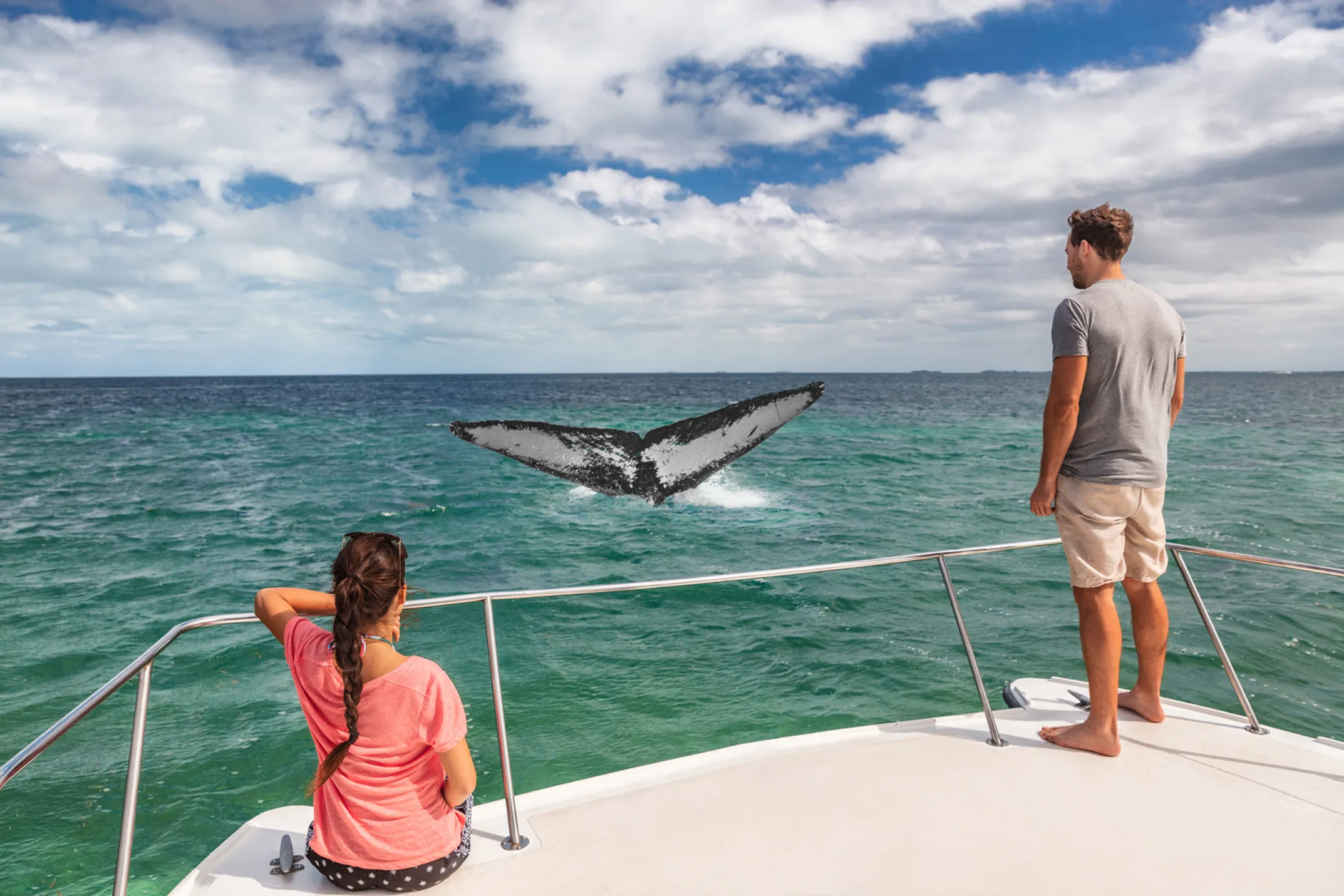
Humpback whale tail fluke displaying as tourists watch from whale watching boat in Hawaiian waters

Oahu Whale Watching

When Giants Dance in Hawaiian Waters

Leilani Ako, marine wildlife expert

Written by a Marine Wildlife Expert

Leilani Ako

The air was still that morning. Thick with the salty promise of a Waiʻanae coast sunrise. The sky was just beginning to blush from deep indigo to soft rose. Then, a sound I can only describe as the ocean taking a deep, powerful breath—the pū of a humpback's blow, a misty plume erupting from the calm surface.

A moment later, 45 tons of pure grace launched into the sky. It hung for a heartbeat against the sunrise before crashing back into the sea with a force that you feel in your chest. In that moment, you feel truly small, and yet, more connected to this world than ever.

That's the magic of the koholā, the magnificent humpback whales of Hawaii.

I'm Leilani Ako. I've spent my life chasing the adventures that make our islands so special. I've hiked the highest peaks and surfed the most legendary waves. But no experience is quite as profound, as humbling, or as deeply woven into the spirit of Hawaii as the annual return of the humpback whales.

This isn't just a "tourist season." It is a sacred pilgrimage. Every year, from the cooler days of December until the warmth of May, the waters surrounding Oahu are transformed into a grand ballroom and a safe nursery for these gentle giants.

They travel thousands of miles from the frigid waters of Alaska to grace us with their presence. They come to give birth, to find mates, and to remind us of the wild, untamable beauty that surrounds our shores.

This article is born from countless hours on the water and on the cliffs. From conversations with boat captains, marine biologists, and fellow ocean lovers. It is my offering to you—whether you're a visitor seeing them for the first time or a local looking to deepen your connection. We'll go beyond just where to look. We'll explore the very soul of these creatures, understand their epic journey, and learn how to witness their majesty in a way that is respectful, responsible, and truly unforgettable.

This is more than just whale watching. It's an invitation to be part of one of the planet's most incredible natural events.

The Gentle Giants of Hawaii: A Deep Biological Dive

To truly appreciate the sight of a humpback whale in Oahu's waters, you have to understand the sheer scale of their existence and the profound purpose of their journey here. These are not just passing visitors. They are here for the most critical moments of their lives. The spectacular displays of power and grace you see from the shore or a boat are not random. They are the visible expressions of a life cycle that is both epic in scope and deeply tender.

The Great Migration: An Epic Journey to Paradise

The story of Oahu's whales begins nearly 3,000 miles away in the nutrient-rich, icy feeding grounds of the North Pacific, near Alaska. For 6 to 8 weeks, these magnificent animals undertake one of the longest migrations of any mammal on Earth. They swim almost non-stop to reach the warm, protected waters of Hawaii.

But why make such an arduous journey? The answer lies in the very beginning of life. The cold Alaskan waters, while full of their preferred food like krill and small fish, are dangerously cold for a newborn calf. Calves are born without the thick layer of insulating blubber that adults possess. They would not survive the frigid temperatures. Hawaii's shallow, warm waters—typically less than 600 feet deep—provide a safe, warm nursery where mothers can give birth and nurse their young in relative safety from predators like killer whales.

This annual pilgrimage involves a significant portion of the entire North Pacific humpback population. Scientists estimate that up to 12,000 whales, more than half of the total population, return to Hawaii each year.

This incredible congregation has made these waters so vital that they are protected as the Hawaiian Islands Humpback Whale National Marine Sanctuary. It's the only place in the United States where these whales reproduce.

The specific population that winters here, known as the Hawai'i Distinct Population Segment (DPS), is a conservation success story. It has grown from just a few thousand to over 21,000 animals and been de-listed from the Endangered Species Act. They remain protected by federal and state laws.

A Whale's Life: The Circle of Life in Hawaiian Waters

Humpback whales (Megaptera novaeangliae, meaning "great-winged of New England") live for an estimated 40 to 50 years. Females reach sexual maturity around age 5, while males mature at 7. Once they arrive in Hawaii, they engage in all aspects of the breeding cycle. The entire time they are here—up to six months for some—they do not eat. They survive entirely on the vast fat reserves they built up during their summer feeding frenzy in Alaska.

Birth and Nursing

A female gives birth to a single calf every one to three years after a gestation period of about 11.5 months. A newborn calf is already immense, averaging 10-15 feet in length and weighing around 1.5 tons. They nurse on their mother's incredibly rich milk, which is 45-60% fat (compared to human milk at 2%). This allows them to gain weight and strength rapidly for the long journey back north.

Courtship and Mating

While mothers and calves rest, the waters are also alive with the intense drama of courtship. Groups of 2 to 20 males, known as competitive pods, will aggressively vie for the attention of a single female. They engage in powerful displays of dominance that can last for hours.

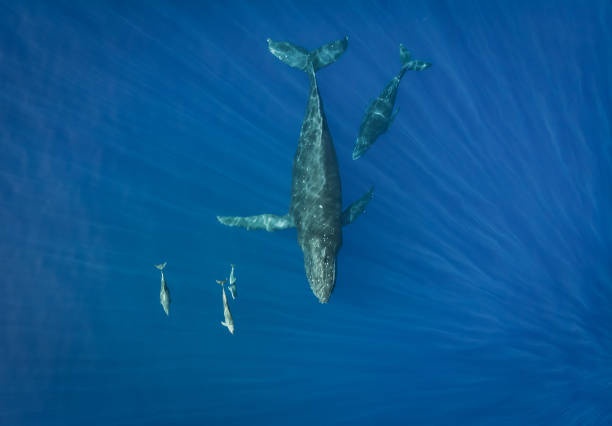
Aerial view of humpback whale mother and calf swimming side by side in Pacific waters near Hawaii

Mother humpback whale swimming protectively alongside her calf in Hawaiian waters - a tender moment of the nursing period that draws these gentle giants to our warm Pacific sanctuary.

Decoding the "Whale Dance": Understanding What You See

The reason Oahu's whale watching is so spectacular is because you are witnessing these critical life moments unfold. The behaviors you see are not just for show. They are a complex language of communication, competition, and care. From my experience, knowing what you're looking at transforms the experience from a simple sighting to a true connection.

🐋 Breach

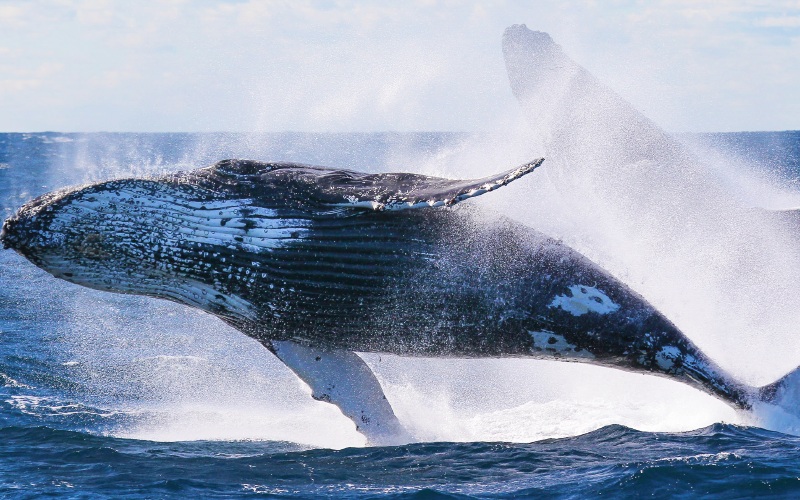
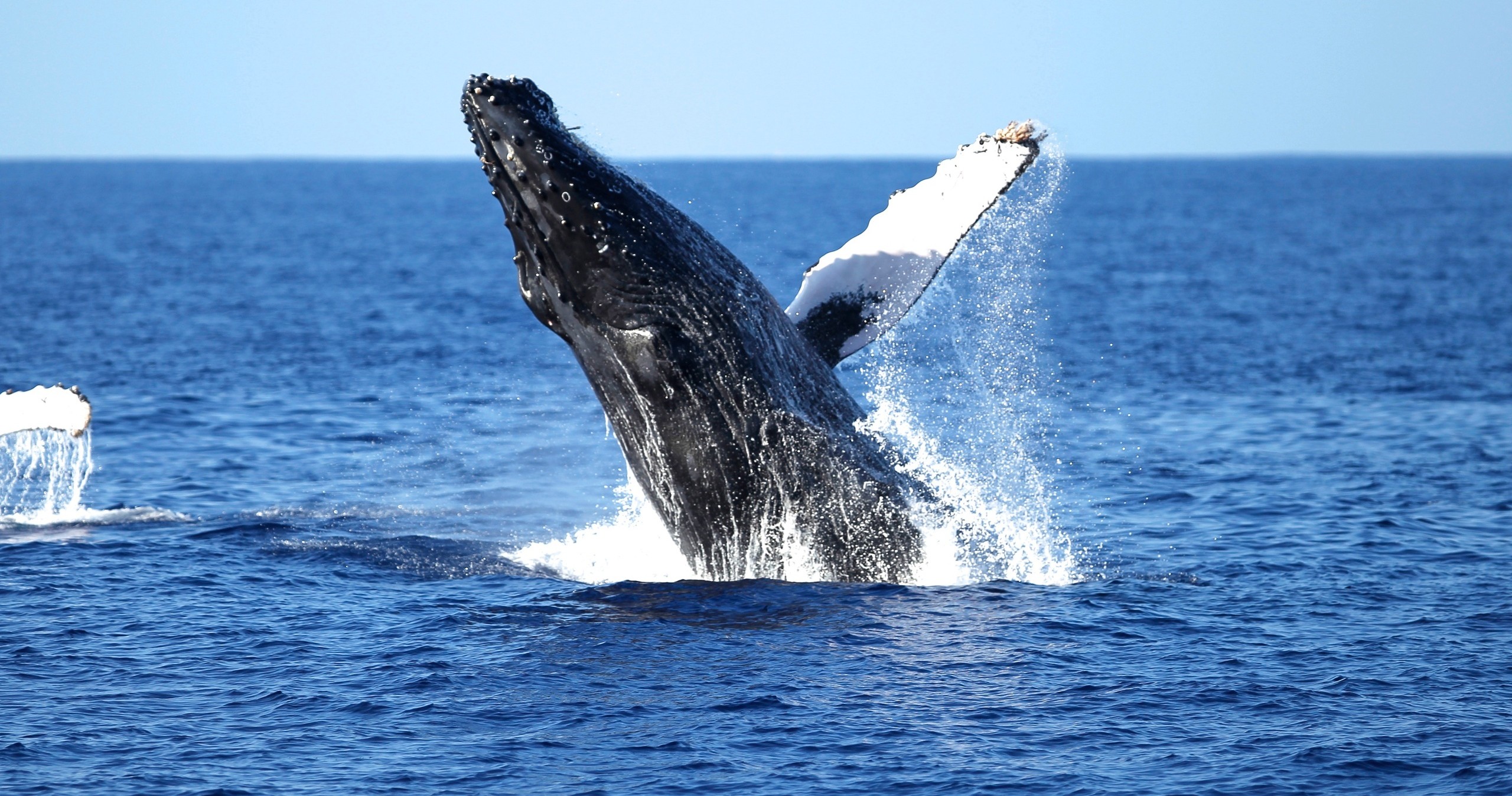
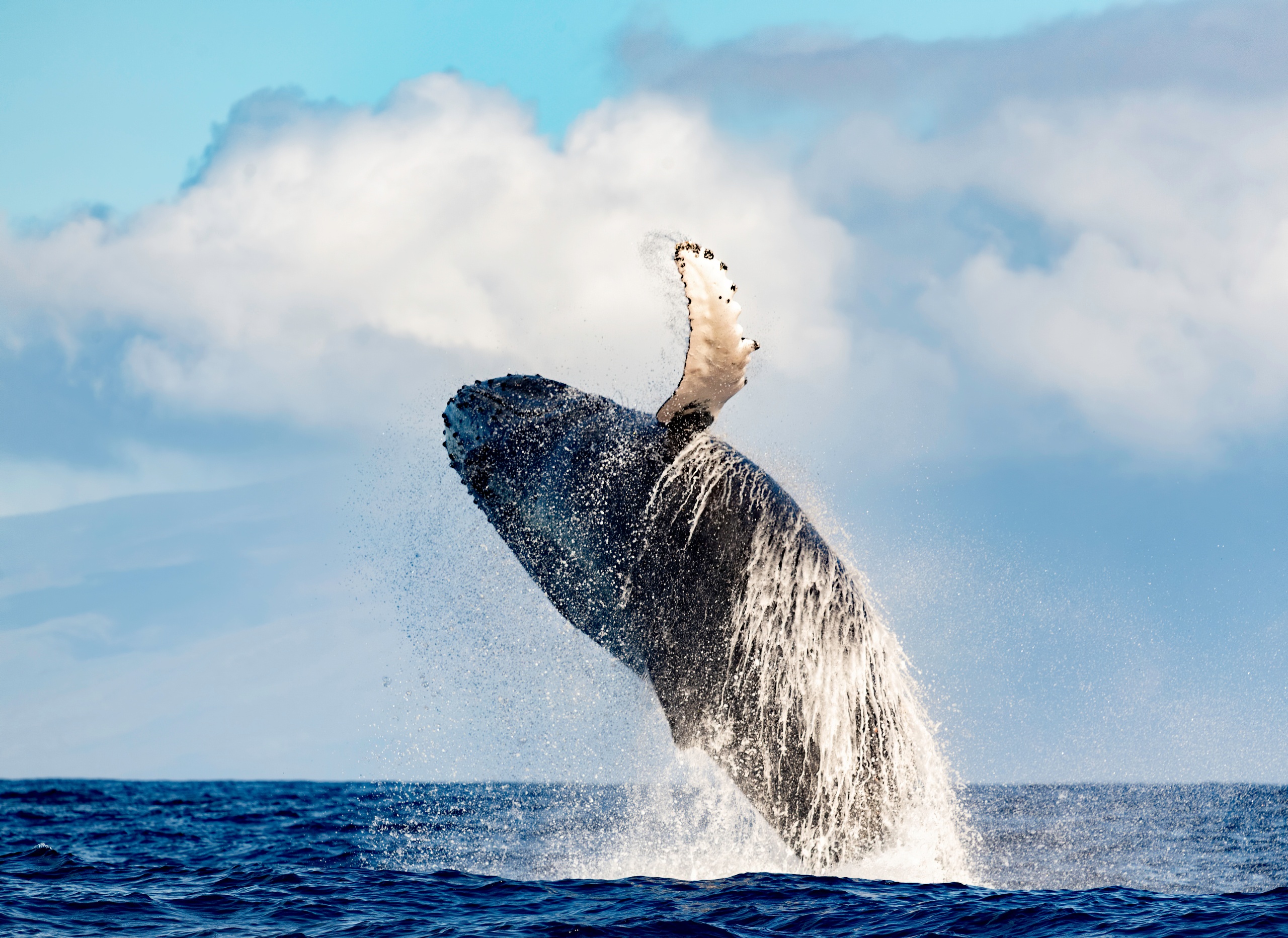
The most iconic behavior. The whale uses its powerful tail flukes to propel its entire 45-ton body out of the water, landing with a thunderous splash. Could be communication, parasite removal, or pure joy.

🌊 Tail Slap (Lobtail)

A whale raises its massive tail flukes and slaps them forcefully onto the surface. Creates a loud sound that travels for miles underwater, often used as a warning signal or sign of agitation during competitive encounters.

🦅 Pectoral Fin Slap

Humpbacks have the longest pectoral fins (their "great wings") of any whale, reaching up to 15 feet. They lie on their side and slap these fins repeatedly. Females often do this, possibly to attract male attention.

👁️ Spy-Hop

A slow, vertical rise that brings the whale's head out of the water, allowing it to see what's happening above the surface. Some researchers believe it helps them hear better using air to catch sounds. An incredible moment that feels like direct eye contact.

🏃 Competitive Pods

Groups of 2-20 males moving at high speed, churning up water as they chase, charge, and physically challenge each other to earn the "primary escort" position next to a female. A raw, powerful display of nature.

🎵 The Song

Complex, haunting melodies lasting over 20 minutes, sung only by males. All males in the Hawaiian population sing the same song, which evolves from year to year. If you're on a tour with a hydrophone, don't miss the chance to listen—it's otherworldly.

Ocean ʻOhana: Other Marine Life

While the koholā are the stars, keep your eyes peeled for our other ocean family: playful spinner dolphins (naiʻa), larger bottlenose dolphins, gentle green sea turtles (honu), and on rare days, even Hawaiian monk seals.

Planning Your Whale Watch: The Complete Blueprint

A successful whale watching adventure on Oahu comes down to great planning. Knowing when to go, where to look, and what kind of experience you want will make all the difference. Many visitors feel overwhelmed by the options, but it's actually quite simple to break down. This is where we fill in the gaps that other resources leave wide open, helping you move from a general interest to a perfectly planned day.

Whale Season Deep Dive: A Month-by-Month Breakdown

While the general season runs from December through April, the character of the whale watching changes from month to month. Aligning your trip with the right time can shape the kind of encounters you're likely to have.

October – November

These are the early days. The first whales to arrive are often mothers with their year-old calves, teaching them the migration route for the first time. Sightings are more sporadic, but the reward is a quieter, less crowded experience on the water. It's a time of anticipation.

December

The season officially kicks off! The number of whales in our waters increases steadily, and sightings become much more consistent. Tour operators are in full swing, and the excitement on the island is palpable.

January – March

This is the undisputed peak of the season. The waters around Oahu host the highest concentration of humpback whales, with estimates in the thousands. This is when you'll see the most surface activity: the most dramatic breaches, the most intense competitive pods, and the most frequent singing from males. If you want action, this is the time to come. As a bonus, the annual Sanctuary Ocean Count, a citizen-science project, takes place on the last Saturday of each of these months, offering a chance for the public to contribute to whale conservation efforts.

April

The great migration reverses. Defined by mothers and their brand-new calves. You'll see tiny (though still huge!) calves sticking close to their mothers, learning to breach and build strength for the long journey north. The encounters can be incredibly heartwarming and provide amazing photo opportunities. The pace is a little slower, but the moments are just as magical.

May

The last of the humpbacks depart for Alaska. Sightings become much rarer as the month goes on, and by the end of May, the official season is considered over.

Choosing Your Adventure: Tour Types Compared

Large Catamaran

Wide, stable boat with amenities. 50-100+ passengers.

Pros: Extremely stable, amenities, budget-friendly

Best For: Families, first-timers, large groups

Cost: $75 - $125 per person

Small-Group Zodiac

Fast powerboat sitting low to water. 6-24 passengers.

Pros: Fast, maneuverable, eye-level views, intimate

Best For: Thrill-seekers, photographers, couples

Cost: $125+ per person

Private Charter

Entire boat and crew for your group only.

Pros: Ultimate flexibility, privacy, personalized attention

Best For: Special occasions, serious enthusiasts

Cost: $400 - $1,500+ for the boat

Sailing Catamaran

Wind-powered vessel for peaceful experience.

Pros: Quiet, eco-friendly, romantic atmosphere

Best For: Couples, eco-conscious travelers

Cost: $90 - $150 per person

From my experience, the key to a great tour isn't the size of the boat, but the expertise of the crew and how the vessel matches your personal style. I always tell my photographer friends to opt for a small-group raft. Yes, you might get wet, but the low-to-the-water angle for your shots is unbeatable. For my sister's family with young kids, I recommended a large catamaran from Waikiki. The stability and onboard restrooms made the day stress-free and enjoyable for everyone.

Watching from Shore: A Complete Land-Based Viewing System

You don't have to get on a boat to see whales on Oahu! With a little patience and a good pair of binoculars, you can witness incredible sights from land. The key is finding a high vantage point overlooking deep water.

Top-Tier Spots (Easy Access)

Makapuʻu Point Lighthouse Trail

This is my absolute favorite spot for land-based viewing, and for good reason. It's a paved, 2-mile round-trip hike that is moderately easy for most fitness levels. The trail climbs to a stunning overlook with panoramic views of the deep blue Kaiwi Channel, a major highway for migrating whales. There's even an informational placard about whales at one of the lookouts.

Halona Blowhole & Lānaʻi Lookout

Located just down the road from Makapu'u, these are fantastic drive-up lookouts. You can park your car and be scanning the horizon in seconds. They offer a great vantage point along the same dramatic sea cliffs and are perfect for those with limited time or mobility.

Adventurous Spots (Worth the Hike)

Kaʻena Point State Park

For the more adventurous, the trail at Kaʻena Point, the westernmost tip of Oahu, is a rugged and rewarding option. It's a longer, unpaved hike, but you'll be rewarded with fewer crowds and a true sense of wild Hawaii. During whale season, this area is also home to a colony of Laysan albatrosses (mōlī), adding another layer to your wildlife viewing experience.

Land-Based Pro-Tips

  • Bring Binoculars: Non-negotiable. They turn distant splashes into clear views of tail slaps and breaches.
  • Go on a Calm Day: Fewer whitecaps make it much easier to spot the misty "blow" of a whale exhaling.
  • Scan the Horizon: Slowly scan back and forth, looking for anything that breaks the pattern of the waves.
  • Be Patient: Pack water and snacks, find a comfortable spot, and relax. The ocean will reward your patience.

Continue Your Whale Watching Journey

Learn about responsible whale watching, photography tips, and Hawaiian whale culture

🐋 Whale Season Info

  • Peak Season: Jan - Mar
  • Best Months: Feb - Mar
  • Tour Duration: 2.5-4 hours
  • Price Range: $75 - $150+
  • Success Rate: 95%+ in season

🎒 What to Bring

  • Reef-safe sunscreen
  • Polarized sunglasses
  • Camera with zoom lens
  • Motion sickness medication
  • Binoculars (for shore viewing)
  • Layers for weather

📍 Best Shore Viewing

Makapuʻu Point Lighthouse Trail

2-mile paved hike with panoramic views

Halona Blowhole

Drive-up lookout with sea cliff views

Kaʻena Point State Park

Rugged hike, fewer crowds

⚖️ Marine Protection Laws

  • 100-yard rule: Vessels must stay 100+ yards away
  • No swimming: Never attempt to swim with whales
  • Aircraft: Minimum 1,000 feet altitude

Report violations: (888) 256-9840

📧 Whale Alerts

Get notified about peak whale activity and exclusive tour discounts.

More Island Adventures

2 Hour Molokini Snorkel

2 Hour Molokini Snorkel

Blue Water Rafting • Raft • Kihei • Maui

2022 Excess 12 / 40' Sailing Catamaran

2022 Excess 12 / 40' Sailing Catamaran

Island Jewel Yacht Charters • Catamaran • Honolulu • Oahu

3 Hour Afternoon Snorkel

3 Hour Afternoon Snorkel

Maui Ocean Adventures • Dolphin • Lahaina • Maui