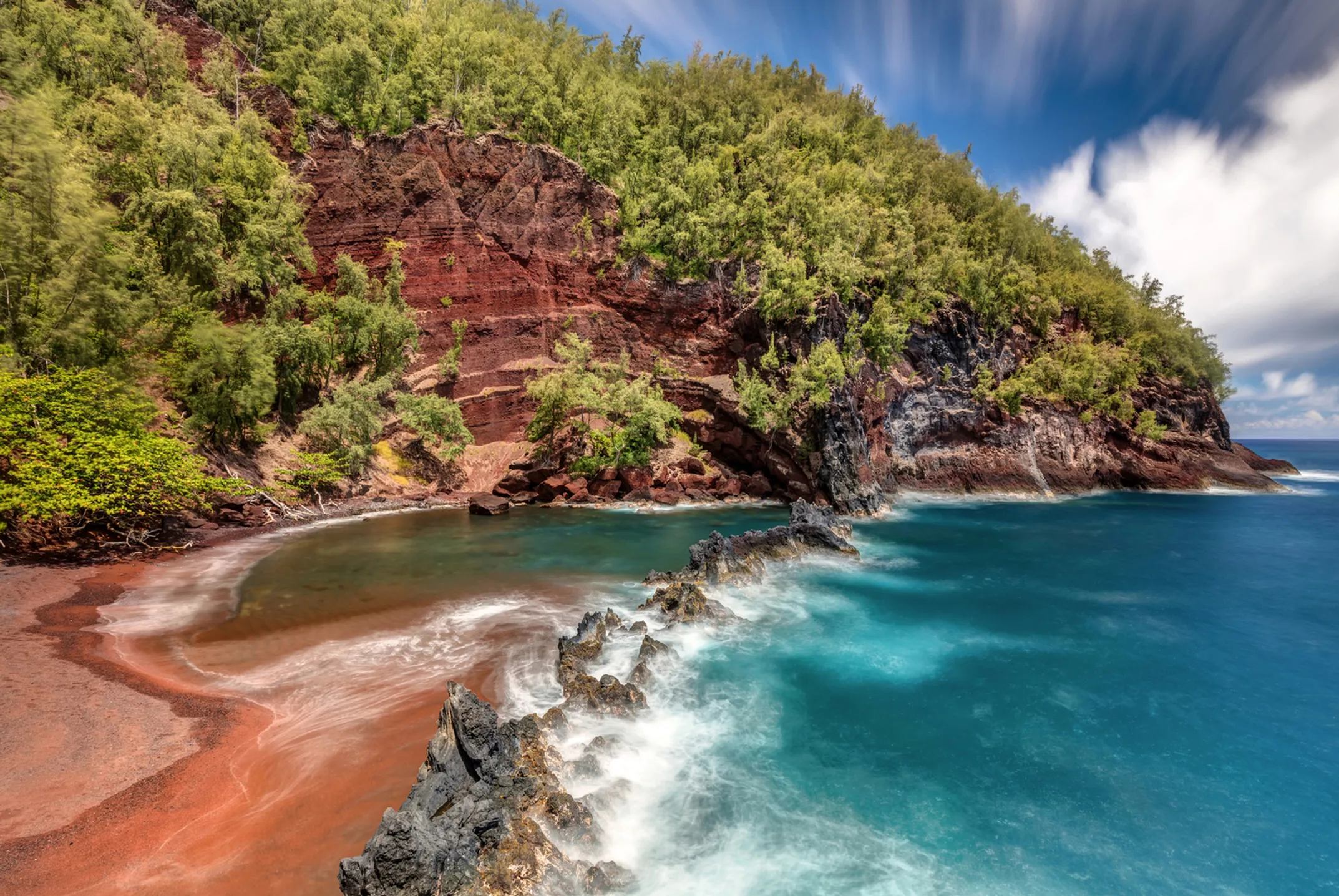
Planning Your Beach Adventure
Essential Tips, Itineraries & Frequently Asked Questions

Part VI of Hidden Beaches Guide
By Jade KawanuiPlanning Your Complete Hawaii Itinerary
A day spent on a quiet beach recharges the soul, but Oʻahu offers so much more. After you've had your fill of peaceful solitude, you might be ready for different excitement or a chance to connect with the island's powerful history.
⚓ For a Journey into History: Pearl Harbor & Punchbowl Cemetery
To truly understand Hawaiʻi and its place in world history, a visit to Pearl Harbor is essential. While it's possible to go on your own, this is one time where a guided tour is absolutely the smartest choice.
🎯 Why Choose a Guided Tour
- • Expert storytellers bring history to life
- • Guaranteed USS Arizona Memorial tickets
- • Stress-free parking and transportation
- • Efficient navigation through vast grounds
🏛️ What You'll Experience
- • Personal accounts and historical details
- • Panoramic views from Punchbowl Crater
- • Narrated drive through National Cemetery
- • Profound understanding of Hawaii's role
A great guide does more than transport you—they're storytellers who bring history to life. They share personal accounts, details about heroes, and historical context you'll never find on a plaque. This transforms a visit from just seeing a memorial to feeling its profound impact.
🏞️ For a Dose of Adrenaline: Coral Crater Adventure Park
When you're ready to trade the sound of waves for the rush of wind, Coral Crater Adventure Park is the island's best adventure hub. It's the perfect, high-energy contrast to a quiet morning on sand.
🌿 Zipline Adventures
6-line zipline course that lets you soar over jungle canopy with breathtaking aerial views.
🚗 ATV Tours
Rugged ATV tours where you can kick up dirt on their technical off-road course.
🧗 Adventure Tower
18 challenging climbing elements with a heart-stopping 50-foot freefall experience.
Frequently Asked Questions
Are these hidden beaches safe for swimming?
This is the most important question, and the answer depends entirely on the beach, the season, and your personal skill level. A beach's seclusion is often a direct result of its raw, unprotected nature.
Beaches like Kawela Bay are sheltered by a reef and generally offer calm swimming conditions year-round. Others, like Makapuʻu and virtually all North Shore beaches in winter, have dangerous shorebreak and powerful currents unsafe for anyone but expert watermen.
My personal rule: if a beach doesn't have a lifeguard on duty, it should only be considered for swimming by strong, experienced ocean swimmers. Always check daily conditions on HawaiiBeachSafety.com before you go, and live by the local creed: "If in doubt, don't go out."
Are these beaches family-friendly?
Many of these spots can be wonderful for families, but "family-friendly" needs careful definition here. For families with young children who want to build sandcastles and splash safely in calm, shallow water, a lifeguarded beach like Waimanalo on a weekday is perfect.
For the more remote beaches in this guide, assume that unless there's a lifeguard present and ocean conditions are visibly calm, they're best enjoyed by families who plan to stay on sand. Always supervise children closely and never leave them unattended near water.
What should I pack for a day at a hidden beach?
Since most remote locations have no facilities, you must be completely self-sufficient. My go-to beach bag always includes:
- • Large reusable water bottle
- • Reef-safe sunscreen
- • Plenty of snacks
- • Quick-dry towel
- • Trash bag for pack-out
- • Sturdy water shoes (not flip-flops)
- • Waterproof dry bag
- • First aid basics
- • Emergency whistle
- • Portable phone charger
Important: For beaches requiring navigation over lava rock, like Eternity Cove or tide pools near Mākua, sturdy water shoes or hiking sandals are essential. Never leave valuables visible in your car at remote parking areas.
What is reef-safe sunscreen and why is it important?
Reef-safe sunscreen is any sunscreen that doesn't contain the two chemicals banned by the state of Hawaiʻi: oxybenzone and octinoxate. Scientific studies have proven these chemicals contribute to coral bleaching, which is essentially starving and killing coral, and they disrupt the marine ecosystem.
Our coral reefs aren't just beautiful—they're living, breathing habitats that protect our coastlines and support vast amounts of ocean life. When visiting, please choose a mineral-based sunscreen that uses zinc oxide or titanium dioxide as its active ingredient.
Good news: You can find reef-safe sunscreens readily available in stores all over the island. It's a small choice that makes a huge difference for our marine environment.
🏖️ Beach Guide Navigation
📋 Essential Planning
- Best Time: Weekday mornings
- Safety Check: hioceansafety.com
- Sunscreen: Reef-safe only
- Water: Bring plenty
- Leave no trace: Pack it out
Explore with Aloha
The true magic of Oʻahu isn't just in its famous landmarks, but in the quiet moments of connection you can find on a secluded shore, with nothing but the sound of waves and the majesty of mountains around you. The beauty of these hidden places lies in their wildness, their peace, and their power to remind us of our place in the natural world.
I've shared these places with you not just as destinations, but as invitations—invitations to explore more deeply, to listen more closely, and to act more thoughtfully. When you visit these shores, you become part of their ongoing story. Please, be a positive chapter in that story.
Act as a temporary caretaker, a guardian of the peace and purity you came to find. Leave these places a little better than you found them. Explore with curiosity, with caution, and with a heart full of aloha.
That, more than any spot on a map, is the true hidden treasure of Oʻahu.
Mahalo nui loa, Jade Kawanui