Why Kula is the True Heart of Maui
Discover Upcountry's Hidden Paradise: Lavender Fields, Artisan Farms & Breathtaking Views

Written by a Local Expert
Jade KawanuiThe Real Maui Begins Where the Beaches End
For me, the real Maui begins where the beaches end and the cool air of Haleakalā's slopes takes over. Kula, which means 'open country' in Hawaiian, is more than just a place. It's a feeling. It's the heart of our island, where the pace slows, the views open up to span both coasts, and the true flavor of Maui, grown in its rich, volcanic soil, is on every plate.
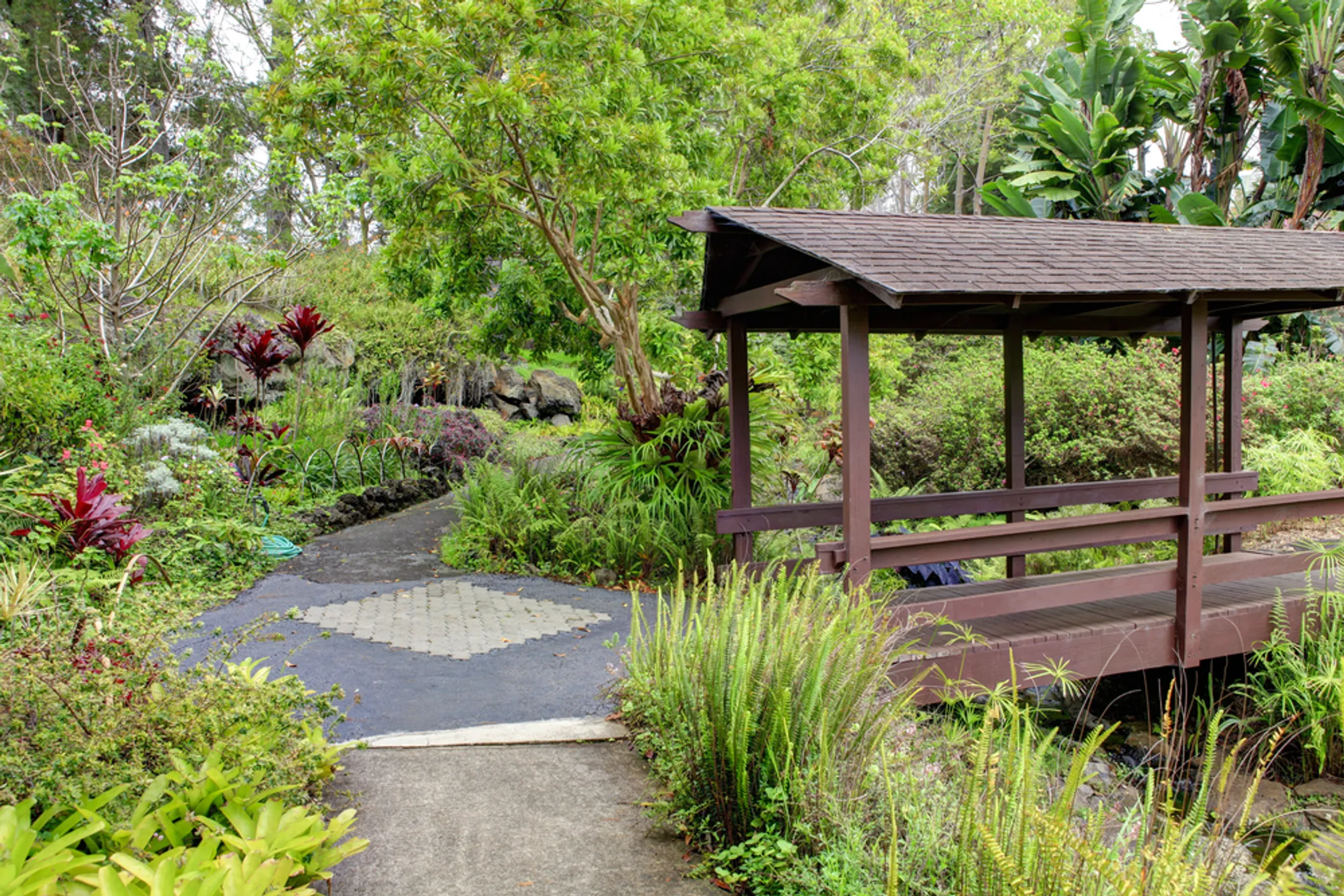
While most visitors flock to the sun-drenched shores of Kaʻanapali or Wailea, those in the know head Upcountry to discover a different kind of paradise. Here, rolling green pastures dotted with jacaranda trees replace sprawling resorts. The air carries the scent of eucalyptus and blooming flowers instead of sunscreen. It's a rustic, tranquil escape that offers a glimpse into the agricultural soul of Maui.
I always tell friends to save a full day, or even two, for Kula. It's a world away from the Maui you see on postcards, yet it's essential to understanding what makes our island so special. This is the breadbasket of Maui, where generations of farmers have cultivated everything from sweet onions and potatoes to the exotic protea flowers that grace leis across the state. The cooler climate, a welcome reprieve from the coastal heat, and fertile earth create a unique environment that has sparked a culinary renaissance centered on farm-to-table dining.
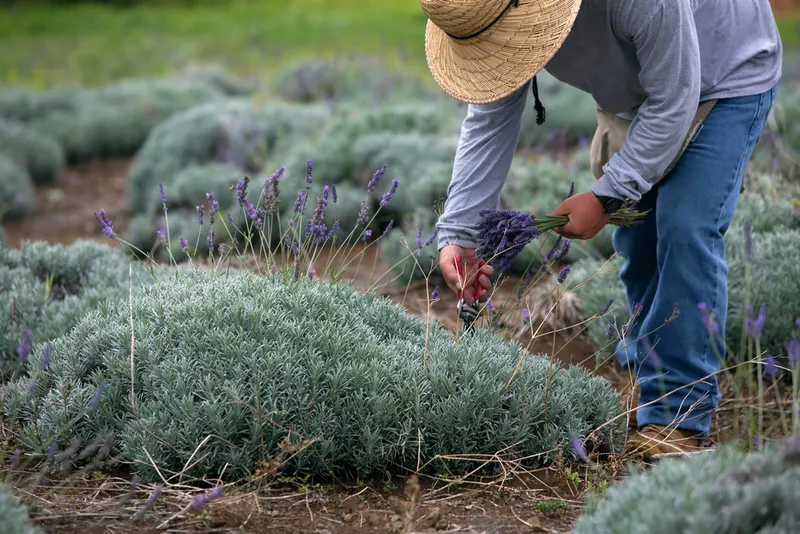
In this journey, I'll take you through my favorite corner of Maui. We'll explore fragrant lavender fields that seem to touch the clouds, meet the charming goats behind award-winning cheese, sip wine in a cottage once visited by a Hawaiian king, and uncover the rich stories of the land. This is Kula, the real heart of Maui, and I can't wait to share it with you.
The Agritourism Capital of Maui: A Feast for the Senses
Nowhere else on Maui is the connection between the land (ʻāina) and the table more vibrant than in Kula. The region's identity is rooted in agriculture, a history that began with Chinese and Portuguese immigrants who farmed the fertile volcanic slopes in the late 19th century and continues today with a new generation of artisans and chefs. This deep-seated agricultural heritage has blossomed into a world-class agritourism scene, offering experiences that engage all five senses. From the scent of blooming flowers to the taste of freshly made cheese, a journey through Kula is a journey through the flavors and aromas that define Maui.
The elevation here creates something magical. As you climb higher on Haleakalā's slopes, the temperature drops and the air becomes crisp. Morning mist often clings to the pastures, creating an almost mystical atmosphere that photographers dream about. By midday, the skies usually clear to reveal sweeping views that stretch from the Pacific Ocean on one side to the lush valleys of central Maui on the other.
What strikes me most about Kula is how the landscape tells the story of Hawaii's multicultural heritage. Portuguese-style homes with red tile roofs sit alongside traditional Hawaiian structures. Chinese vegetable gardens thrive next to cattle ranches established by missionaries. This blend of cultures has created a unique agricultural tradition that you won't find anywhere else in the world.
The volcanic soil here is incredibly rich, thanks to centuries of mineral deposits from Haleakalā. When you pick up a handful of earth in Kula, it feels different—darker, more fertile, almost alive with potential. This is what allows farmers to grow everything from temperate climate crops like strawberries and lettuce to tropical fruits like passion fruit and avocados, often on the same property.
ℹ️ Kula Quick Info
- Elevation: 2,000-4,000 ft
- Temperature: 10-15°F cooler
- Best Time: Morning visits
- Drive from Kahului: 30-40 minutes
🗺️ Explore Kula
🎒 What to Bring
- Light jacket or sweater
- Closed-toe shoes
- Sunscreen & sunglasses
- Camera for views
- Water & snacks
💡 Jade's Local Tip
Fill up on gas in Kahului or Pukalani before heading Upcountry. Stations are sparse in Kula, and you don't want range anxiety on these winding mountain roads.