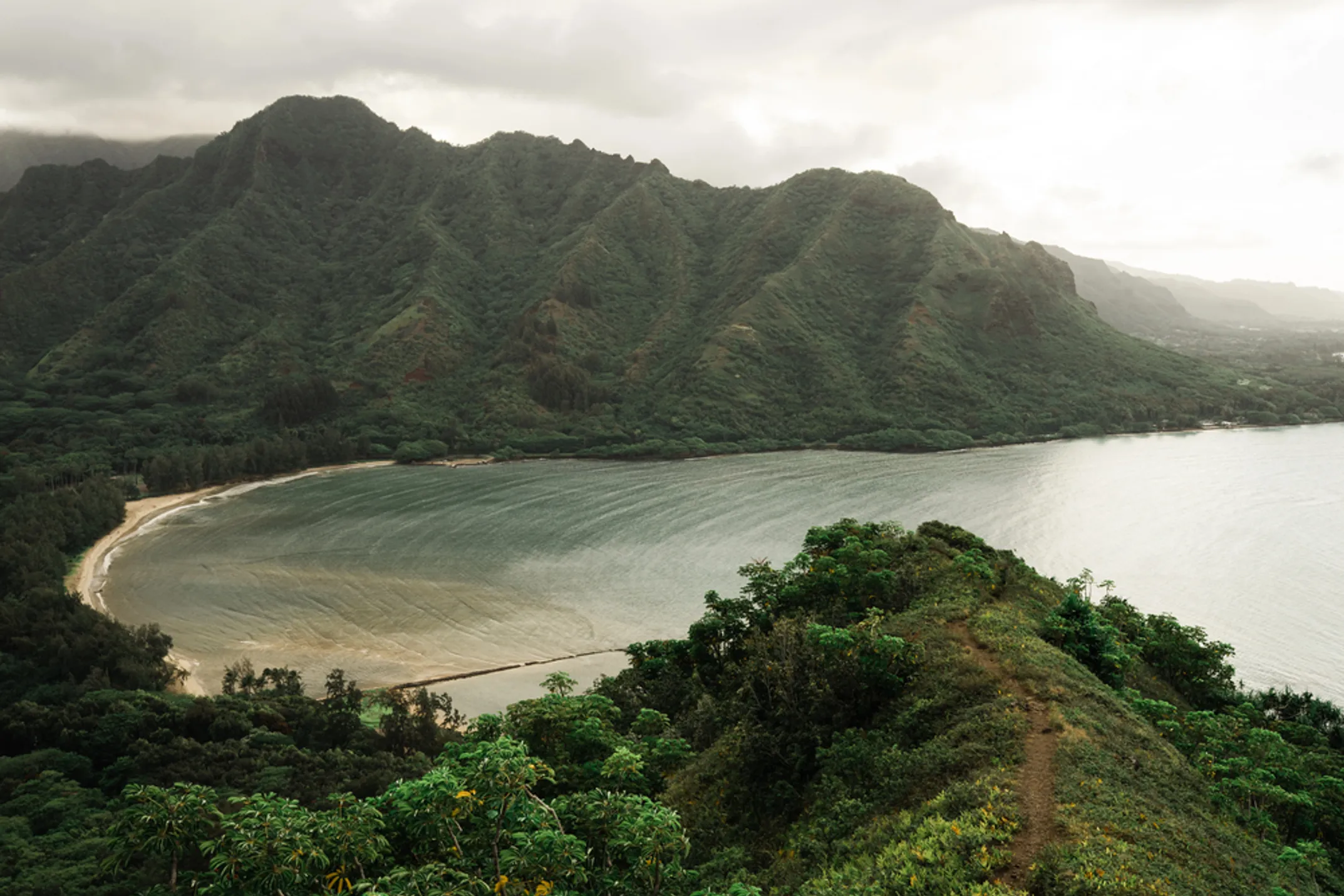
Traditional Hawaiian Practices & Modern Conservation
Ancient wisdom guiding today's restoration efforts

Written by a Local Expert
Jade KawanuiTraditional Hawaiian Practices and Modern Conservation
The integration of traditional Hawaiian knowledge with modern conservation science creates powerful and effective restoration strategies. Many volunteer opportunities allow you to learn about and participate in these integrated approaches.
Loʻi Kalo Restoration
Taro (kalo) is the most important plant in Hawaiian culture. According to Hawaiian creation stories, kalo is the elder brother of the Hawaiian people. Traditional loʻi kalo (taro patches) are sophisticated agroecological systems that support biodiversity while producing food.
When you volunteer to restore loʻi kalo, you're participating in a form of agriculture that has sustained Hawaiian communities for over 1,000 years. These wetland systems provide habitat for endangered waterbirds, filter water naturally, and maintain genetic diversity of taro varieties that are adapted to local conditions.
Fishpond Restoration
Traditional Hawaiian fishponds (loko iʻa) are examples of sustainable aquaculture that predate modern fish farming by centuries. These structures use carefully designed walls to create enclosed areas where fish can be raised while still allowing water circulation with the ocean.
Volunteer work on fishpond restoration involves both physical labor (moving rocks, clearing sediment) and learning about traditional fish husbandry practices. These projects demonstrate how traditional knowledge can inform modern approaches to sustainable food production and coastal management.
Forest Management
Traditional Hawaiian forest management involved understanding the relationships between different forest zones and their roles in supporting human communities. Volunteer work in native forest restoration often incorporates these traditional principles, focusing on creating diverse, multi-layered forests that provide multiple benefits.
The Volunteer Experience: What to Expect
Your volunteer experience will vary depending on the type of work you choose, but there are some common elements you can expect regardless of the specific organization or project.
Orientation and Training
Most volunteer programs begin with an orientation that covers safety procedures, project goals, and cultural context. This is an important time to ask questions and understand how your work fits into broader conservation or community support goals. Take advantage of this time to learn about the history and significance of the site where you'll be working.
Working Alongside Locals
One of the most rewarding aspects of volunteer work is the opportunity to work alongside local community members. These relationships often extend beyond the volunteer work itself, providing insights into local culture and perspectives that you might not otherwise encounter as a visitor.
Be prepared for differences in work pace and communication styles. Hawaii operates on "island time," which prioritizes relationships and process over speed and efficiency. This isn't about being lazy or unproductive—it's about valuing the social and cultural aspects of work that are often overlooked in mainland business culture.
Physical Challenges and Rewards
Volunteer work can be physically demanding, especially in Hawaii's tropical climate. You'll likely be working outdoors in heat and humidity, possibly in challenging terrain. However, the physical challenges are balanced by the incredible natural beauty of the work sites and the satisfaction of seeing immediate results from your efforts.
Take care of yourself by staying hydrated, taking breaks when needed, and communicating with project leaders if you're having difficulty. Most volunteer coordinators are understanding and can adjust tasks to match your abilities and energy levels.
Learning Opportunities
Every volunteer experience is also a learning opportunity. You'll gain knowledge about Hawaiian culture, local ecosystems, and conservation challenges that you can't get from books or tourist attractions. Many volunteers find that these learning experiences are among the most valuable aspects of their trip.
Don't be afraid to ask questions, but be respectful of the time and energy of local volunteers and staff. Show genuine interest in learning, and be prepared to share your own skills and perspectives when appropriate.
The Gift of Connection
The most profound aspect of volunteer work isn't the physical labor—it's the connections you make. Connections to the land, to Hawaiian culture, to the local community, and to something larger than yourself. These connections often transform a vacation into a life-changing experience.
Build Lasting Connections
Discover how to stay involved with Maui conservation and continue your mālama practice beyond your visit.
🌾 Traditional Practices
- Loʻi kalo restoration
- Fishpond management
- Forest stewardship
- Ahupuaʻa system
- Sustainable aquaculture
👥 What to Expect
- Orientation & training
- Work with locals
- Physical challenges
- Learning opportunities
- Cultural immersion
- Island time pace
🗺️ Guide Sections
📧 Mālama Updates
Get updates on volunteer opportunities and ways to give back to Maui.