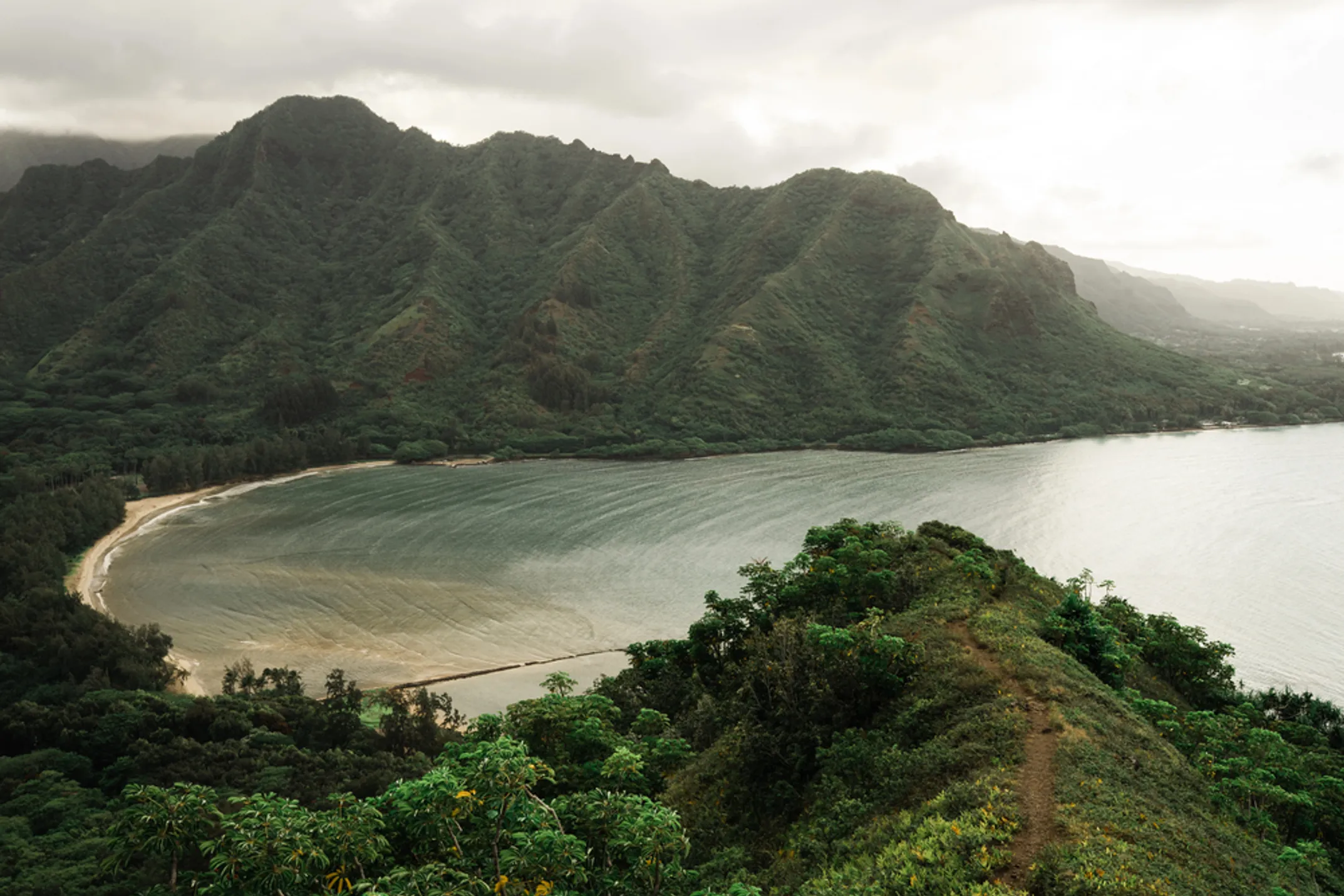
Building Lasting Connections
Continue your mālama practice and stay connected with Maui
Written by a Local Expert
Jade KawanuiBuilding Long-Term Connections
Many visitors find that their volunteer experience creates lasting connections to Maui and its community. There are several ways to maintain and build on these connections after your trip ends.
Staying Connected with Organizations
Most volunteer organizations welcome ongoing support from visitors who have worked with them. This might involve making financial donations, participating in online advocacy campaigns, or helping to spread awareness about their work through social media and word-of-mouth.
Consider signing up for newsletters or following organizations on social media to stay updated on their work and current needs. Some organizations also offer opportunities for repeat volunteers to take on leadership roles or help train new volunteers.
Continuing Conservation at Home
The principles and practices you learn through volunteer work in Hawaii can often be applied to conservation efforts in your home community. Look for opportunities to participate in habitat restoration, invasive species removal, or environmental education programs near where you live.
Many visitors find that their Hawaiian volunteer experience inspires them to become more active in environmental issues generally. This might involve supporting policies that address climate change, reducing personal environmental impacts, or choosing to support businesses that prioritize sustainability.
Sharing Your Experience
Sharing your volunteer experience with friends, family, and social networks helps raise awareness about conservation challenges and opportunities in Hawaii. However, be thoughtful about how you share these experiences. Focus on the work itself and what you learned rather than positioning yourself as a savior or hero.
Consider creating photo essays, blog posts, or presentations that highlight the important work being done by local organizations and the ongoing need for support. Always get permission before sharing photos of other volunteers or community members, and be respectful of cultural sensitivities around sacred sites or traditional practices.
The Broader Context: Tourism and Sustainability
Your choice to participate in volunteer work while visiting Maui contributes to broader conversations about sustainable tourism and responsible travel. Understanding this context can help you make more informed choices about how you spend your time and money while visiting the islands.
Overtourism Challenges
Hawaii faces significant challenges related to overtourism, with visitor numbers often exceeding the carrying capacity of natural resources and infrastructure. Popular destinations like Haleakalā National Park and the Road to Hana experience overcrowding that can damage fragile ecosystems and diminish the experience for both visitors and residents.
By choosing to spend time volunteering rather than only participating in tourist activities, you're helping to address some of these challenges. Volunteer work distributes visitors across a wider range of activities and locations, reducing pressure on the most popular tourist sites.
Economic Impacts
Tourism is a major part of Hawaii's economy, but it doesn't always benefit local communities equitably. Many tourism jobs are low-paying, and much of the money spent by tourists flows to mainland corporations rather than local businesses.
Volunteer work combined with conscious choices about where to spend money can help ensure that your visit has positive economic impacts for local communities. Choose locally-owned restaurants, shops, and tour operators when possible. Consider staying in locally-owned accommodations rather than large hotel chains.
Cultural Sensitivity
Hawaii's tourism industry has a complex relationship with Native Hawaiian culture. While cultural experiences can provide valuable education and economic opportunities, they can also lead to commodification and misrepresentation of sacred traditions.
Volunteer work with cultural preservation organizations provides authentic opportunities to learn about Hawaiian culture in respectful contexts. These experiences are led by cultural practitioners who can provide accurate information and appropriate cultural context.
Preparing for Climate Challenges
Climate change is already affecting Hawaii in multiple ways, from rising sea levels to changing precipitation patterns. Understanding these challenges can help you prepare for your volunteer experience and appreciate the urgency of conservation work.
Changing Weather Patterns
Hawaii's weather patterns are becoming more unpredictable due to climate change. Traditional wet and dry seasons are shifting, and extreme weather events are becoming more common. This affects volunteer work in several ways.
Outdoor conservation work may need to be adjusted based on weather conditions. Heavy rains can make trail work dangerous, while extreme heat can increase the risk of heat-related illness. Be prepared to be flexible with your volunteer schedule and have backup indoor activities planned.
Sea Level Rise
Rising sea levels threaten coastal ecosystems and infrastructure throughout Hawaii. Many volunteer opportunities focus on protecting and restoring coastal areas that are vulnerable to these changes. Understanding the long-term challenges facing these areas can help you appreciate the importance of this work.
Coastal restoration work often involves planting native vegetation that can help stabilize shorelines and provide habitat for wildlife even as sea levels rise. Beach cleanups become more important as storms and high tides carry more debris onto shore.
Ecosystem Adaptation
Native Hawaiian ecosystems are already adapting to climate change, and conservation efforts must account for these changes. For example, traditional forest restoration may need to include species that can tolerate changing temperature and precipitation patterns. Volunteer work in ecosystem restoration increasingly involves helping ecosystems adapt to climate change rather than simply restoring them to historical conditions. This might involve planting diverse species mixtures that can provide resilience under changing conditions.
Making It Personal: Reflecting on Your Experience
Taking time to reflect on your volunteer experience can deepen its impact and help you integrate what you've learned into your broader life and worldview.
Journaling and Documentation
Consider keeping a journal during your volunteer work to document not just what you did, but how the experience affected you personally. What surprised you? What challenged your assumptions? What connections did you make between the work and broader environmental and social issues?
If you're comfortable doing so, consider creating a photo journal or blog about your experience. This can be a powerful way to process your thoughts and share what you've learned with others. Always be respectful of privacy and cultural sensitivities when documenting your experience.
Connecting to Personal Values
Think about how your volunteer experience connects to your personal values and goals. How does the work you did align with what you care about most? What aspects of the experience were most meaningful to you, and why?
Many volunteers find that their experience in Hawaii helps clarify their priorities and motivates them to make changes in their daily lives. This might involve career changes, lifestyle modifications, or new commitments to environmental and social causes.
Planning Future Involvement
Consider how you want to stay involved with conservation and community support work after your trip ends. This might involve supporting Hawaiian organizations from afar, getting involved with similar work in your home community, or planning future volunteer trips to Hawaii or other destinations. Set specific, achievable goals for how you want to continue the work you started in Hawaii. This could be as simple as making regular donations to organizations you worked with, or as complex as changing careers to focus on environmental conservation.
Travel with Aloha, Leave with Kuleana
Maui is more than a destination. It's a living, breathing community, a vibrant culture, and a precious ʻāina that we are blessed to call home. When you choose to give back—to pull a weed, to clean a beach, to pack a box of food—you're doing more than volunteering. You're participating in a timeless tradition of care. You're no longer just a visitor (malihini). You become part of our extended ʻohana, a partner in the stewardship of this island.
The practice of mālama has the power to transform a vacation into a meaningful exchange. You don't just take memories. You leave a legacy of care, however small. You become part of that virtuous circle that enriches the land, the community, and ultimately, yourself.
As I write this from my home in Makawao, I can see the sun setting behind the West Maui Mountains. The sky is painted in shades of pink and orange that no camera can truly capture. But more beautiful than any sunset is the knowledge that people from around the world are choosing to care for our island. Every day, volunteers work alongside our community to heal, restore, and preserve what makes this place so special.
The work is far from over. Climate change, invasive species, and the ongoing recovery from the 2023 fires present ongoing challenges that require sustained effort from all of us. But I'm hopeful because I've seen the power of people coming together with shared kuleana. I've witnessed the transformation that happens when visitors become participants, when tourists become stewards, when strangers become ʻohana.
So, come to Maui. Come with an open heart. Come ready to listen, to learn, and to contribute. Travel with aloha, and I promise you will leave with a sense of kuleana—a responsibility and a privilege to care for this special place, no matter where in the world you are.
The islands have a way of calling people back. Not just to visit again, but to continue the work of mālama wherever they are. When you practice mālama here, you take that spirit with you. You become an ambassador for the values of stewardship, community, and respect for the natural world.
A hui hou (until we meet again).
Begin Your Mālama Journey
Return to the beginning to start planning your meaningful volunteer experience on Maui.
🤝 Stay Connected
- Follow organizations
- Make donations
- Volunteer at home
- Share your story
- Support local businesses
- Plan return visits
💡 Key Takeaways
- Mālama is reciprocal care
- Find your kuleana
- Work creates connection
- Impact extends beyond visit
- Become part of ʻohana
🗺️ Guide Sections
📧 Mālama Updates
Get updates on volunteer opportunities and ways to give back to Maui.