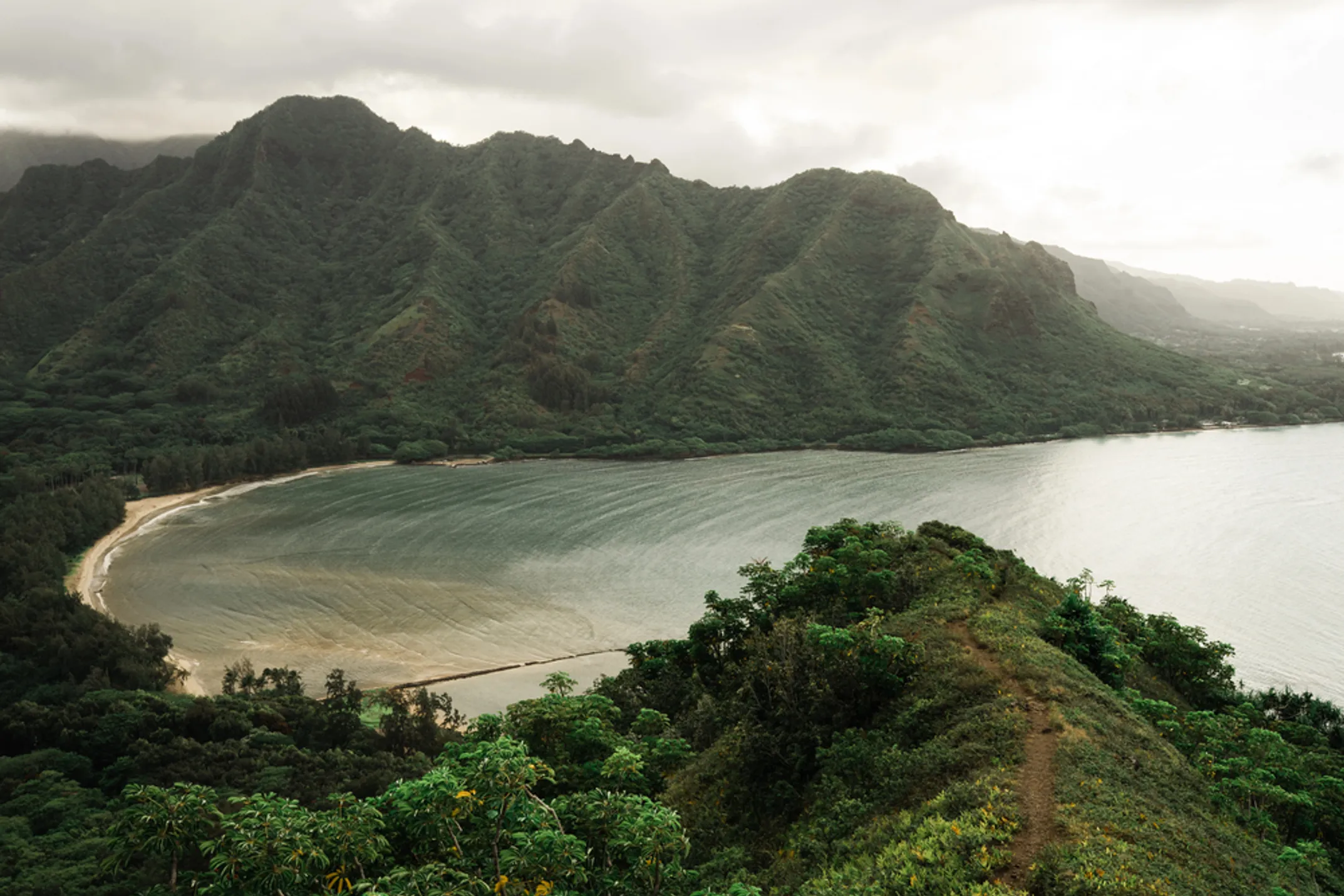
Preparation & Understanding Impact
Get ready for your volunteer experience and understand the science behind conservation
Written by a Local Expert
Jade KawanuiPreparing for Your Volunteer Experience
Before you arrive on Maui, there are several steps you can take to maximize your volunteer experience and ensure you're well-prepared for the work ahead.
Research and Connect
Start by researching the organizations you're interested in volunteering with. Most have websites with detailed information about their missions, current projects, and volunteer requirements. Reach out to them well before your arrival to discuss availability and secure your volunteer spot. Many organizations have limited capacity and may require advance booking, especially during peak tourist seasons.
Consider joining online communities or social media groups related to Hawaiian conservation and culture. These platforms often share updates about volunteer opportunities, environmental challenges, and cultural events. They're also great places to connect with like-minded travelers and locals who share your passion for mālama.
Physical and Mental Preparation
Volunteer work on Maui can be physically demanding. If you're planning to participate in conservation work, consider incorporating hiking, gardening, or other physical activities into your routine before your trip. This will help ensure you can fully participate without overexerting yourself.
Mental preparation is equally important. Approach your volunteer experience with humility and openness to learning. You'll be working alongside local community members and cultural practitioners who have deep knowledge of the land and its history. Be prepared to listen more than you speak and to follow their lead.
Understanding the Impact of Your Work
Each type of volunteer work contributes to the broader goal of mālama in different ways. Ecological conservation work has immediate and visible impacts. When you remove invasive plants, you're literally creating space for native species to flourish. When you plant native trees, you're contributing to watershed protection and habitat restoration that will benefit the island for decades to come.
Cultural preservation work has impacts that extend far beyond the physical restoration of sites. By participating in traditional practices like taro cultivation, you're helping to maintain cultural knowledge that might otherwise be lost. You're supporting the perpetuation of Hawaiian language, customs, and spiritual practices that are integral to the identity of the islands.
Community support work addresses immediate human needs while building long-term resilience. Every meal packed at the food bank feeds a family in need. Every hour spent with Habitat for Humanity contributes to stable housing for local residents. This work strengthens the social fabric of the community and ensures that Maui remains a place where local families can thrive.
The Science Behind Conservation
Understanding the scientific basis for conservation efforts can deepen your appreciation for volunteer work and help you become a more effective advocate for the environment.
Invasive Species Impact
Hawaii is particularly vulnerable to invasive species because of its geographic isolation. Before human contact, the only native land mammals were two species of bats. Most plants and animals we see today were introduced by humans. While many of these introductions have become part of Hawaiian culture, some pose serious threats to native ecosystems.
Invasive plants like strawberry guava, Australian tree fern, and coqui frogs can completely transform native habitats. They outcompete native species for resources, alter soil chemistry, and disrupt food webs that have evolved over thousands of years. Removing these invasive species through volunteer efforts directly supports the recovery of native ecosystems.
Marine Conservation
Hawaii's marine ecosystems face multiple threats from climate change, pollution, and overfishing. Ocean acidification and rising temperatures stress coral reefs, while plastic pollution affects marine life from sea turtles to seabirds. Volunteer beach cleanups remove debris before it can harm marine animals or break down into microplastics that enter the food chain.
Monitoring programs that rely on citizen scientists provide valuable data about the health of marine ecosystems. When volunteers track marine debris, water quality, or wildlife populations, they contribute to scientific databases that inform conservation decisions and policy changes.
Watershed Protection
Maui's forests play a crucial role in protecting the island's freshwater resources. Native forests capture moisture from trade wind clouds, filter rainwater, and prevent erosion that can clog streams and damage coral reefs. Volunteer reforestation efforts in native forests directly contribute to water security for the island's residents and ecosystems.
The Ripple Effect
Every action you take as a volunteer creates ripples that extend far beyond the immediate task. Planting a single native tree contributes to watershed health, provides habitat for native birds, and helps preserve cultural connections to the land. Your work today becomes part of the island's legacy for future generations.
Explore Traditional Hawaiian Practices
Learn how ancient Hawaiian wisdom informs modern conservation and the volunteer experience.
✅ Preparation Steps
- Research organizations
- Book in advance
- Physical conditioning
- Learn about culture
- Join online communities
- Pack appropriate gear
🌍 Impact Areas
- Watershed protection
- Native species recovery
- Cultural knowledge
- Marine ecosystem health
- Community resilience
- Food security
🗺️ Guide Sections
📧 Mālama Updates
Get updates on volunteer opportunities and ways to give back to Maui.