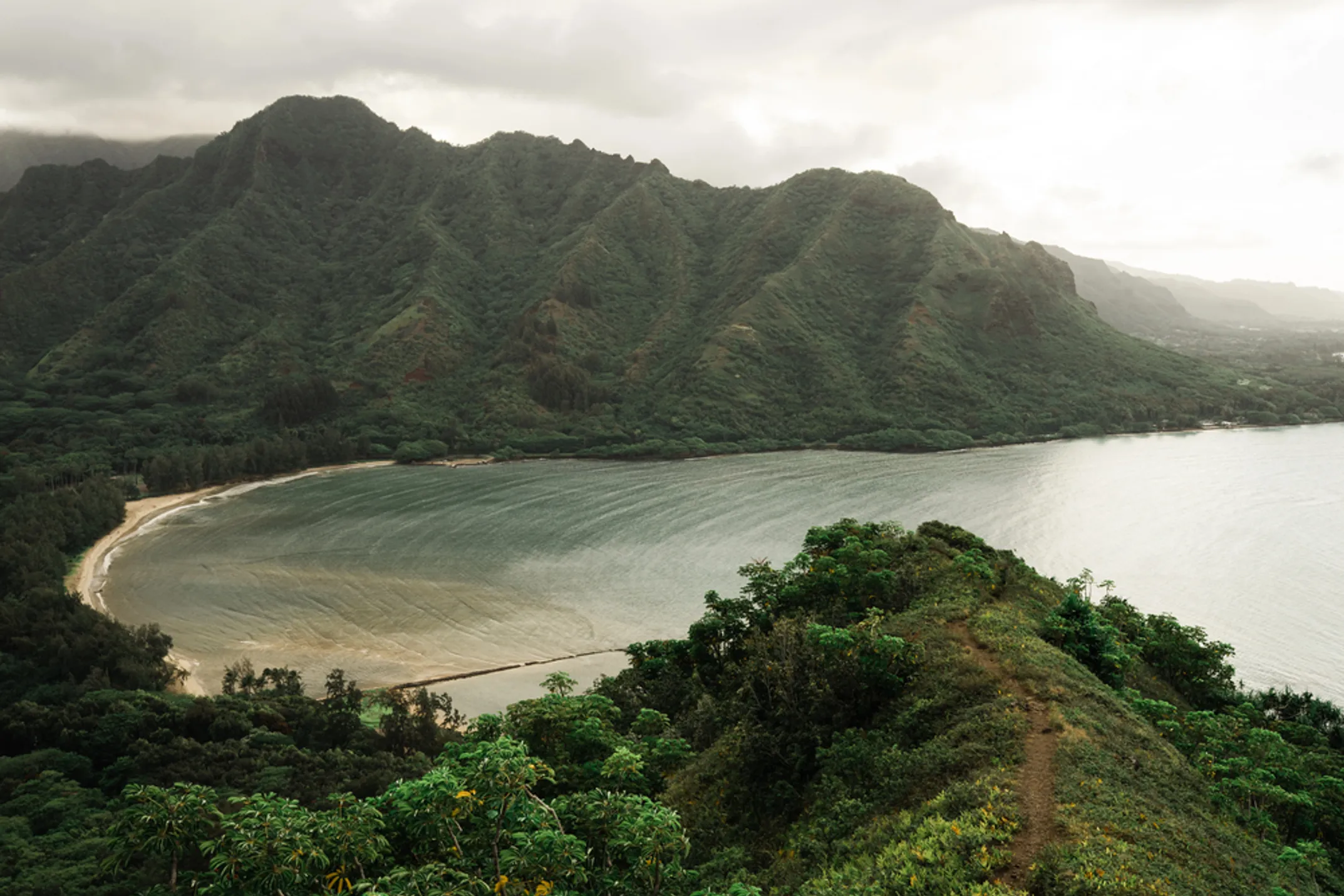
Give Back to the Valley Isle: Mālama Maui Through Meaningful Voluntourism
Connect deeply with Maui by practicing mālama—caring for the land, honoring culture, and supporting community
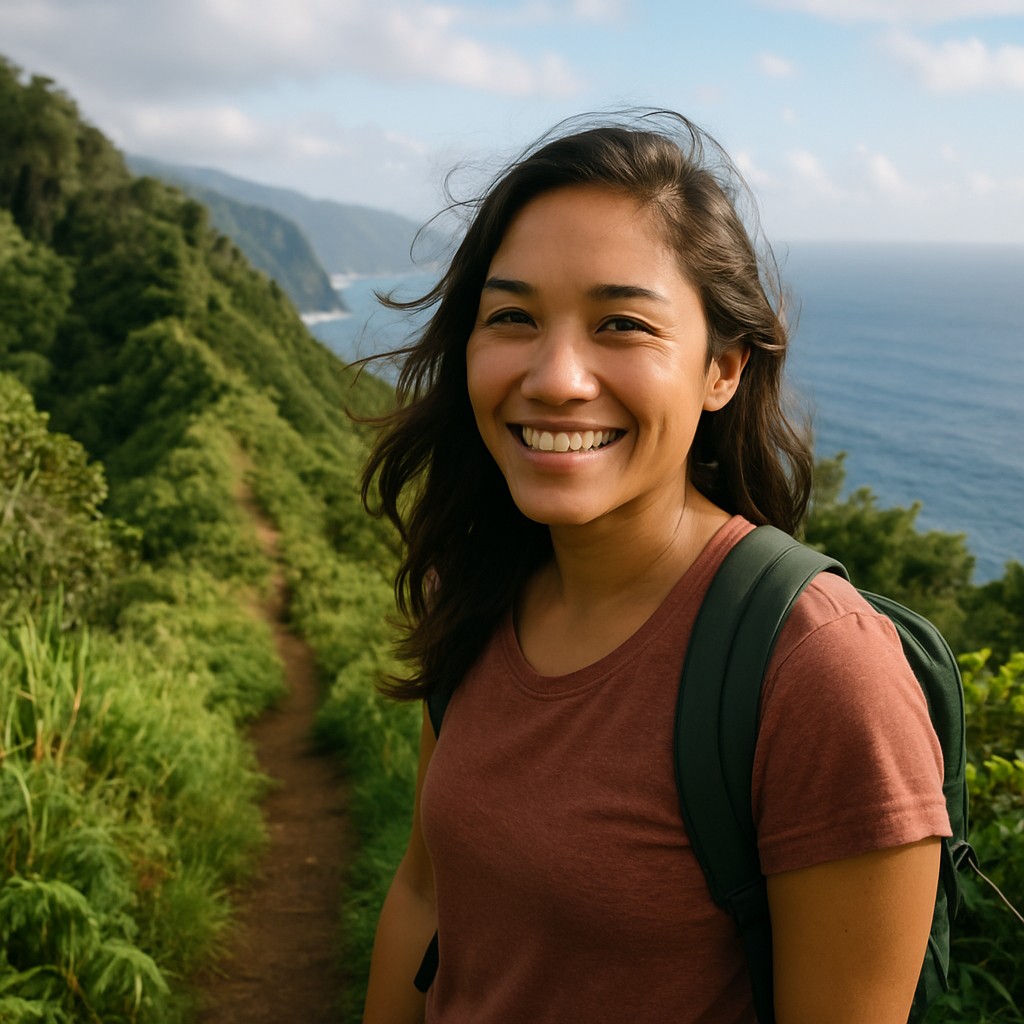
Written by a Local Expert
Jade KawanuiAloha mai kākou,
When I wake up each morning in my upcountry Makawao home, I can see the sun breaking over Haleakalā crater. The golden light spreads across our island like a gentle reminder of the sacred relationship we share with this land. As someone who calls Maui home, who has walked its trails and swam in its waters my entire life, the concept of mālama isn't just a word. It's the rhythm of our community.
Mālama is the gentle hand that tends the ʻāina. It's the watchful eye that protects our kai. It's the open heart that cares for our ʻohana. In the wake of the devastating wildfires of 2023, that rhythm has become a profound call to action. The fires reminded us of our deep, unbreakable connection to this land and to each other.
The fires took so much. Lives. Homes. Cherished cultural sites. In their wake, they left a community grappling with immense loss. But they also filled us with an even fiercer resolve to heal and rebuild.
Now, more than ever, the spirit of mālama is our compass forward. In Hawaiian, mālama means "to take care of, tend, attend, care for, preserve, protect." But its meaning runs much deeper than a simple definition. It speaks to a sacred, reciprocal relationship. The belief is that if we care for the land, the land will care for us in return. It's a virtuous circle of giving and receiving. A promise between people and place that has sustained our islands for generations.
This article is an invitation to step into that circle with us. It's for the traveler who feels a pull to do more than just visit. For anyone who wishes to leave Maui a little better than they found it. This isn't just another list of things to do. This is about connecting, contributing, and understanding the soul of Maui.
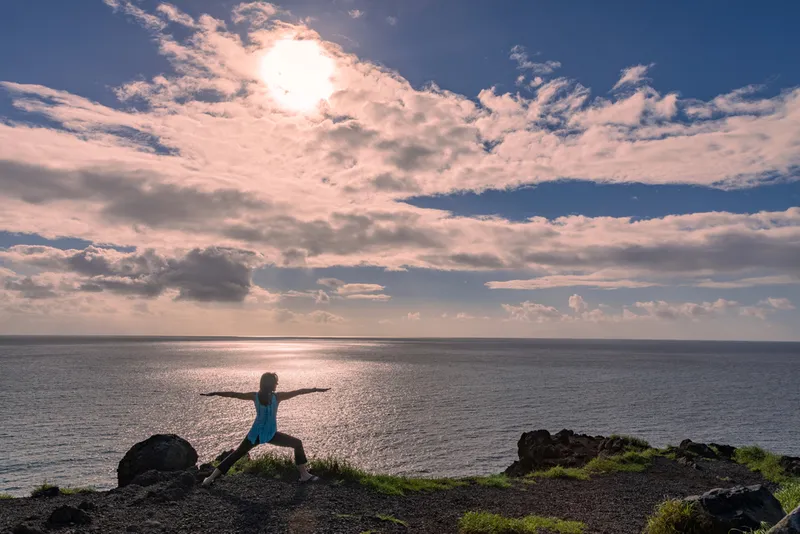
The Soul of the ʻĀina: Understanding the Deep Meaning of Mālama
To truly practice mālama, you must first understand it. This isn't a new trend or marketing slogan for sustainable tourism. It's a worldview woven into the very fabric of Native Hawaiian identity. The principle of Mālama ʻĀina, caring for and honoring the land, is one of the most important pillars of our culture. It's a philosophy born from a deep, spiritual connection to the natural world.
In our culture, the land (ʻāina) is not seen as a commodity to be owned or used. It's a living, breathing ancestor, imbued with mana, spiritual energy and power. This belief fosters a profound sense of stewardship. We see ourselves not as masters of the land, but as keiki o ka ʻāina, children of the land. This relationship is familial, built on the core values of aloha (love, compassion), lokahi (unity, harmony), and kuleana (responsibility, privilege). To mālama ʻāina is not a chore. It's a way of life that expresses our love for our ancestors and our responsibility to future generations.
This worldview was put into practice for centuries through sophisticated systems of resource management that allowed our islands to thrive. The most brilliant example is the ahupuaʻa system. The land was divided into wedge-shaped sections that typically ran from the mountains (mauka) to the sea (makai). Each ahupuaʻa contained a complete ecosystem. Forests for gathering wood and medicinal plants. Fertile plains for farming. Coastal areas for fishing. This system ensured that communities had access to all necessary resources and managed them sustainably. Ancient Hawaiians understood that actions taken mauka would inevitably affect life makai.
Within the ahupuaʻa, ancient Hawaiians developed ingenious agricultural practices. They built intricate irrigation systems to create loʻi kalo, flooded patches for cultivating taro, our staple food crop. Along the coastlines, they engineered remarkable loko iʻa, or fishponds, that allowed them to raise fish sustainably. These were marvels of traditional aquaculture. These practices weren't just about food security. They were about maintaining ecological balance and biodiversity.
Today, this ancient wisdom guides modern conservation. When you volunteer to reforest a native habitat, clear an invasive species, or help restore a fishpond, you're not just participating in an environmental project. You're stepping into a cultural legacy that is thousands of years old. You're honoring the principles of mālama that have kept our islands vibrant and alive.
From my work as a freelance photographer documenting eco-tour operators, I've witnessed firsthand how this ancient wisdom translates into modern conservation efforts. I've photographed volunteers removing invasive strawberry guava from native forests. I've captured moments of pure joy when people plant their first native koa tree. These experiences connect us all to something larger than ourselves.
Finding Your Kuleana: Types of Voluntourism on Maui
Finding your kuleana, your personal responsibility and privilege to contribute, is the first step toward a more meaningful connection with Maui. Whether your passion lies in restoring our native forests, honoring our cultural history, or directly supporting our community, there's a place for you. As someone who has participated in many of these efforts, I can tell you that each path offers a unique and powerful way to connect with the island. The opportunities can be broadly grouped into three areas, each reflecting a different facet of mālama.
Ecological Conservation: Healing the Land and Sea (Mauka to Makai)
The health of our island is interconnected, from the highest peaks of Haleakalā to the deepest coral reefs. Volunteering in ecological conservation is a chance to participate in the physical healing of the ʻāina. This often involves hands-on fieldwork in some of Maui's most stunning landscapes. You might find yourself working with organizations to remove invasive species that threaten native ecosystems. You could help with reforestation projects by planting native trees. Or you might maintain trails in fragile habitats to ensure they can be enjoyed responsibly for years to come.
The work extends to our coastlines and ocean. Plastic pollution is a significant threat to our marine life. An estimated one million marine animals die each year from its effects. Joining a beach cleanup is a direct and immediate way to combat this crisis. Other opportunities allow you to become a citizen scientist. You might help organizations like the Pacific Whale Foundation monitor marine debris. Or you could assist the Hawaii Wildlife Fund in protecting endangered honu (sea turtles) during their nesting season. This work is vital for preserving the biodiversity that makes Maui so special.
I remember my first beach cleanup with the Hawaii Wildlife Fund down in Kīhei. My poi dog Hoku and I collected three bags of plastic debris in just two hours. Seeing the immediate impact of our work was incredibly rewarding. But what struck me most was learning how this plastic affects the honu I photograph regularly. It gave new meaning to my conservation photography work.
Cultural Preservation: Honoring the Legacy of the Ancestors
To mālama Maui also means to care for its history and cultural legacy. This type of voluntourism allows you to connect with the living history of Hawaiʻi by helping to preserve wahi pana—storied, sacred places that hold the memories of our ancestors. This work is often deeply spiritual and educational, offering a window into the past.
Organizations like Maui Cultural Lands invite volunteers to help restore ancient sites. You might work on loʻi kalo (taro patches) in Ukumehame. Or you could help with the lava rock remains of heiau (temples) in Launiupoko. This work can involve clearing overgrowth from historic rock walls. It includes replanting native vegetation. Most importantly, you'll learn about traditional Hawaiian agriculture from cultural practitioners.
For those who prefer a less physically demanding role, there are opportunities to contribute indoors. You can volunteer at a place like Hale Hōʻikeʻike at the Bailey House Museum (Maui Historical Society). Here you might serve as a docent sharing Maui's stories with visitors. Or you could assist archivists in preserving precious historical records.
Growing up in Makawao, I spent countless hours listening to my kūpuna (elders) share stories about our land. Working with cultural preservation organizations has allowed me to help preserve these stories for future generations. It's deeply personal work that connects you to the mana of the place.
Community Support: Lifting Up the People of Maui
The ultimate expression of aloha is to care for one another. A direct and vital form of mālama is to support the local community, especially now, as so many families work to recover and rebuild their lives. The Maui Food Bank has been a cornerstone of our island's disaster relief efforts, providing essential food to those in need. Volunteering here means sorting and packing food that will go directly to our keiki (children), kūpuna (elders), and families. With one in four children in Maui County at risk of hunger, this work has a tangible and immediate impact.
Other organizations focus on different aspects of community well-being. Habitat for Humanity, for example, works to build and renovate homes. This addresses the severe housing crisis that has long affected our island and was tragically made worse by the fires. Supporting these efforts helps build a stronger, more resilient future for everyone who calls this island home.
Through my food tour work, I've seen how deeply the fires affected our restaurant and food service workers. Many lost their jobs when businesses were destroyed or damaged. Volunteering with the Maui Food Bank has become even more meaningful as we work to support these members of our community who have given so much to make Maui special for visitors.
Ready to Practice Mālama on Maui?
Explore volunteer opportunities, practical tips, and ways to make a meaningful impact on the Valley Isle.
ℹ️ Voluntourism Info
- Best Time: Year-round
- Commitment: 2-8 hours
- Cost: Free
- Age Limit: Varies by org
- Skill Level: All levels
🌱 Types of Work
- Ecological conservation
- Cultural preservation
- Community support
- Marine protection
- Trail maintenance
- Food bank work
🗺️ Guide Sections
📧 Mālama Updates
Get updates on volunteer opportunities and ways to give back to Maui.