Understanding Mālama
The cultural foundation of caring for land and people

Written by a Maui Native
Jade KawanuiWhat 'Mālama' Truly Means: A Deeper Understanding
To travel responsibly on Maui, it helps to understand the cultural foundation upon which our community is built. At the very core of Hawaiian values is the concept of mālama. While its simplest translation is "to care for," its true meaning is far deeper. It represents a worldview built on a sacred, reciprocal relationship of respect, stewardship, and love. The principle is simple yet profound: when we mālama the world around us, the world in turn cares for us. This philosophy is the key to understanding how to be a truly welcome guest in our island home.
Mālama ʻĀina (Caring for the Land)
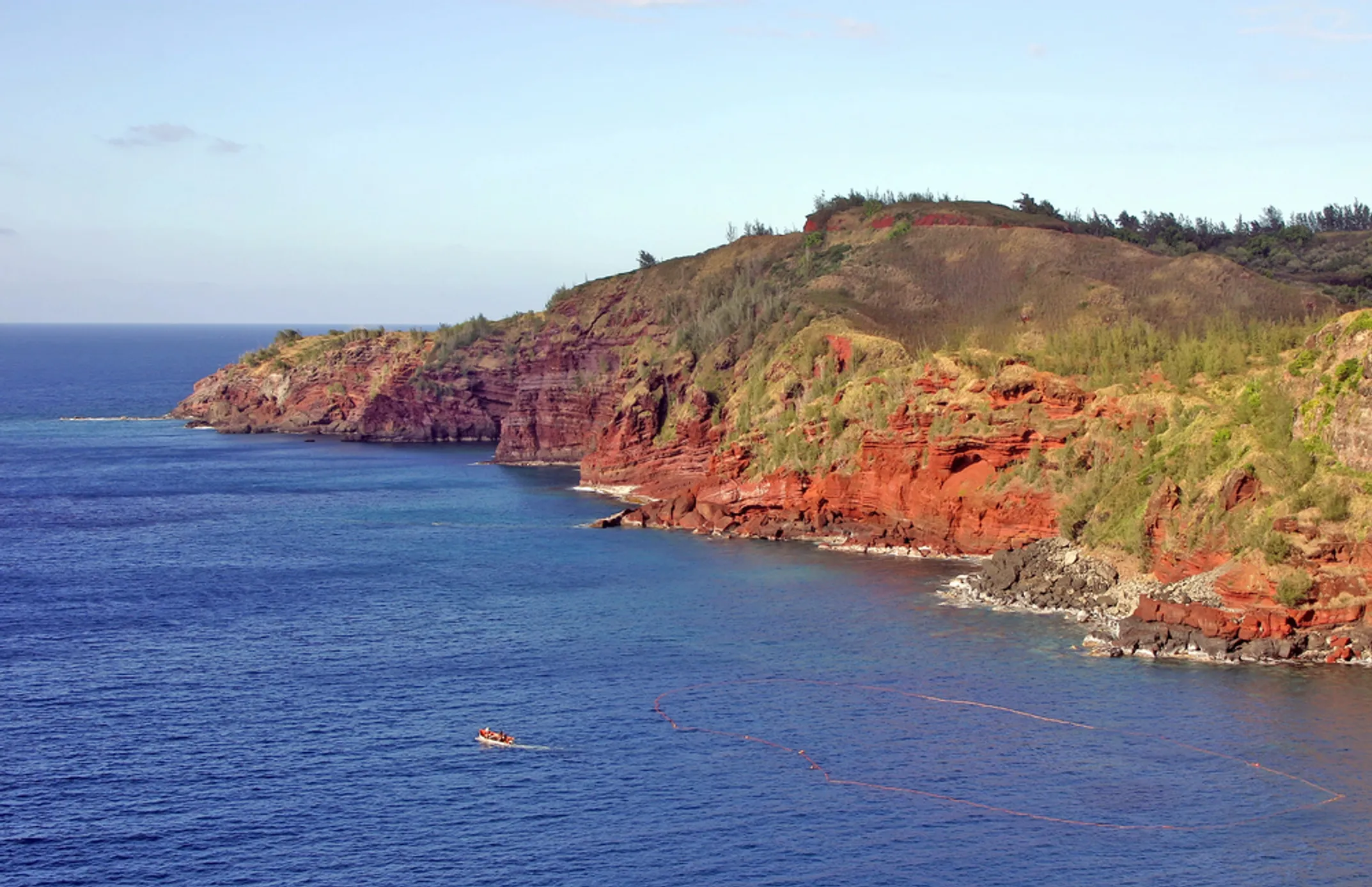
In Hawaiian culture, the land is not a commodity to be bought, sold, or exploited. The ʻāina is a respected relative, an ancestor, a source of life itself. This belief is captured in the powerful ʻŌlelo Noʻeau (proverb): "He aliʻi ka ʻāina; he kauwa ke kanaka," which means, "Land is a chief; man is its servant." This flips the Western concept of land ownership on its head; instead of possessing the land, we have a sacred duty to serve it.
The Story of Hāloa
This deep, familial bond is rooted in our creation story, the moʻolelo of Wākea (Sky Father) and Hoʻohōkūkalani (a celestial being). Their first child, Hāloa, was stillborn. The grieving parents buried him in the earth, and from that sacred spot grew the very first kalo (taro) plant, the staple food that has sustained Hawaiians for generations. Their second son, also named Hāloa, became the first human and the ancestor of the Hawaiian people. This foundational story establishes kalo as the elder sibling of humanity, cementing the unbreakable, familial connection between the people and the land that nourishes them. To care for the land is not an abstract environmental ideal; it is a family obligation.
A Living Practice
This is not just ancient history; it is a living practice. A story that beautifully illustrates this comes from the sacred valley of Wailua Nui, where an elder, known as "Uncle," whose family has farmed kalo for over a thousand years, felt called to reopen his ancestral loʻi (taro patches) that had become overgrown. On his first attempt, a swarm of bees chased him away. He understood this not as a random event, but as a message from his ancestors to approach with greater intention and mindfulness. The next time he journeyed into the valley, he heard the faint, rhythmic beats of ancient drums. Without hesitation, he stripped down and prostrated himself, crawling on his belly to the upper terrace in an act of ultimate humility and reverence. The drumming ceased, and only then did he begin his kuleana of caretaking. This moving story shows that mālama ʻāina is an act of deep spiritual respect, a conversation with the land and the ancestors, not just physical labor.
Mālama Kanaka (Caring for the People)
The principle of mālama extends from the land to its people. To understand this, you must first understand the term kamaʻāina, which literally translates to "child of the land." It refers to the residents of Hawaiʻi, people with deep roots and an intrinsic connection to this place. When you visit, you are entering a community of kamaʻāina, people who belong to this land. We are not just a backdrop for a vacation; we are a living, breathing, and now, a healing community.
The True Spirit of Aloha
This is where the true spirit of aloha comes in. Aloha is not just a greeting; it is a way of life, an ethos of kindness, empathy, respect, and reciprocity. In the context of visiting Maui today, practicing aloha means showing profound patience, compassion, and understanding. It means recognizing that the person serving your meal, checking you into your hotel, or leading your tour may have lost their home, loved ones, or their sense of security. They are showing up with aloha for you; the greatest gift you can give in return is your own genuine aloha for them.
Transforming Your Role as a Visitor
By embracing the concept of mālama, you fundamentally change your role as a visitor. Modern tourism can often feel transactional—a consumption of experiences and resources. The visitor takes memories, photos, and a tan, and leaves money behind. But mālama offers a different, more fulfilling path. It invites you into a reciprocal, regenerative relationship. Instead of asking, "What can Maui offer me?" it encourages the question, "How can I care for Maui?" This shift in perspective transforms a simple vacation into a meaningful exchange, where you become an active participant in a virtuous circle that enriches the land, the community, and ultimately, yourself.
🗺️ Guide Sections
Current page
Actionable responsibility
Planning Your TripSeasonal & itinerary tips
FAQCommon questions answered
📖 Key Concepts
- Mālama:
To care for, protect, preserve
- ʻĀina:
Land that feeds us
- Kamaʻāina:
Child of the land, local resident
- Kuleana:
Responsibility, privilege
- Pono:
Righteousness, balance, correctness
ʻŌlelo Noʻeau
"He aliʻi ka ʻāina; he kauwa ke kanaka"
Land is a chief; man is its servant