Gearing Up: Your Complete 4x4 Resource
Everything you need to know about renting and driving a 4x4 on Lanai

Written by a Local Expert
Jade KawanuiWhy a 4x4 is Non-Negotiable for the True Lanai Adventure
Trust me, figuring out the 4x4 situation is the first and most important step to unlocking the real Lanai. It's the key that opens the door to the island's most spectacular and remote locations. Over my many trips, I've learned the ins and outs of navigating the rental process and the unique rules of the road. Here's everything I've learned to help you get started.
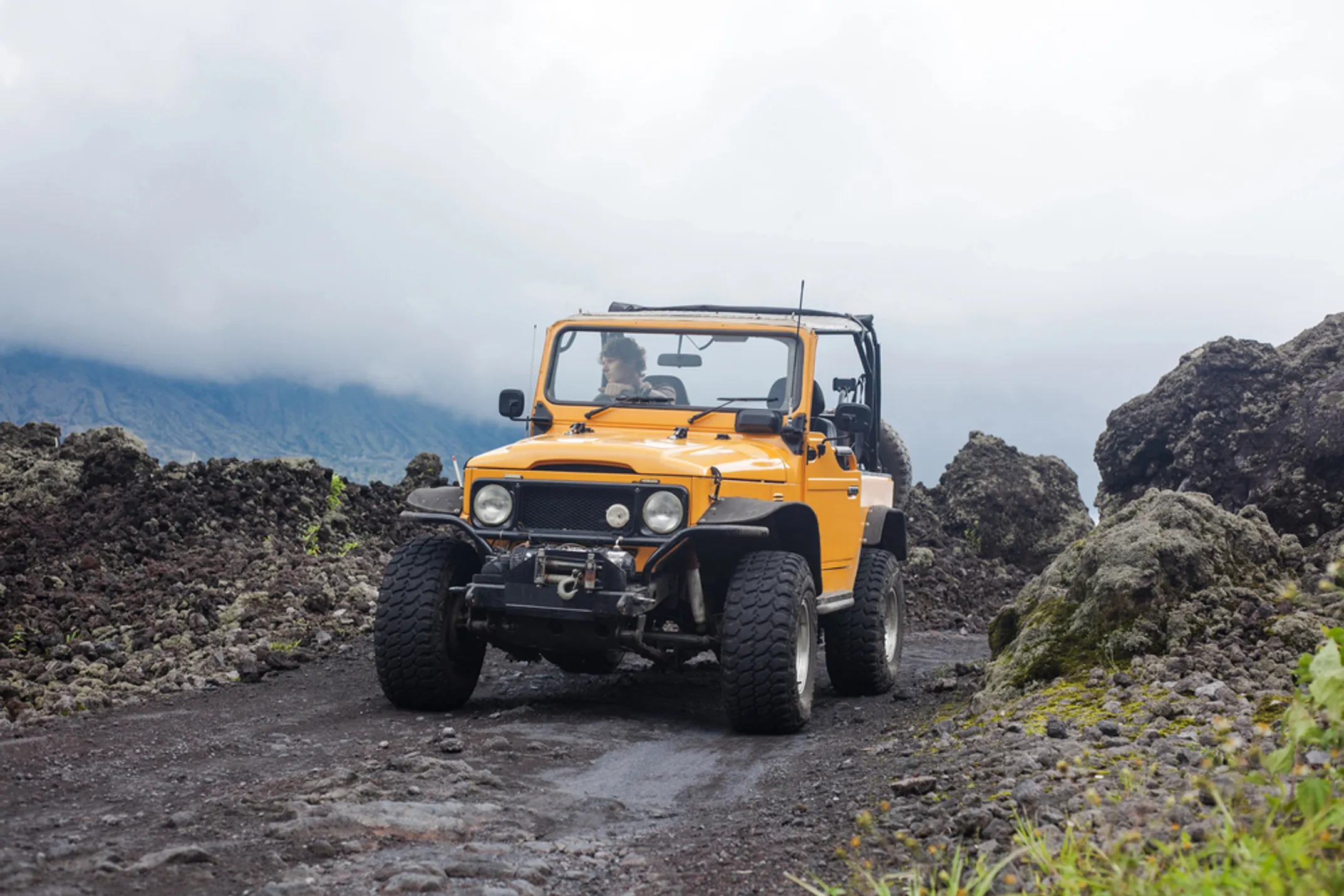
You can certainly enjoy a relaxing vacation on Lanai by sticking to the paved roads, but you would be missing the very essence of the island. The most iconic, breathtaking, and culturally significant sites are found at the end of those bumpy, unpaved paths. A standard rental car simply won't—and can't—take you there.
Destinations like the stark, Mars-like terrain of Keahiakawelo (Garden of the Gods), the historic and windswept Kaiolohia (Shipwreck Beach), the secluded white sands of Polihua Beach, and the ancient fishing village of Kaunolū are all exclusively accessible to high-clearance, 4-wheel-drive vehicles.
I learned this lesson the hard way on an early trip, following a map toward a promising viewpoint only to have the smooth asphalt abruptly give way to a deeply rutted dirt track. My compact car was useless. It was a clear message from the island itself: to see its secrets, you have to be willing to get a little dusty.
The thrill of navigating these trails goes beyond simple transportation. Each bumpy mile takes you further from civilization and deeper into Lanai's soul. The dust kicks up behind you like a trail of memories, and every turn reveals new vistas that few visitors ever see. When you finally arrive at your destination—whether it's a secluded beach or an ancient cultural site—the sense of accomplishment is profound.
Lanai's 4x4 Rental Companies: A Head-to-Head Comparison
Renting a vehicle on Lanai is a different experience than on other islands. You won't find the massive lots of international rental chains. Instead, you'll be dealing with small, local businesses that have a limited but capable fleet of vehicles perfectly suited for the island's terrain. This makes booking in advance absolutely critical.
To help you navigate your options, here's a breakdown of the primary 4x4 rental companies on the island. This information consolidates the key details you'll need, saving you the time and effort of piecing it together from various sources.
Lanai Car Rental
Fleet: Jeep Wrangler Saharas
Price: ~$175 + tax per day (non-residents)
Booking: Online request form or phone
Pickup: Shuttle from harbor/airport to Lanai City office
Requirements: 25+ years old, valid driver's license
ABB Auto Rentals
Fleet: 4-Door Jeeps (~$180 + tax), 2-Door Jeeps (~$145 + tax)
Price: Non-resident rates
Booking: Phone or online
Pickup: Convenient harbor or airport pickup/drop-off
Requirements: 25+ years old, credit card for security
Payment: Cash, check, or credit card accepted
Lanai Cheap Jeeps
Fleet: 4-Door Jeeps & 4-Door Gladiator Trucks
Price: ~$195 + tax per day
Booking: Phone only
Pickup: Shuttle from harbor to Lanai City (Rabaca's Shuttle ~$10 pp each way)
Requirements: 25+ years old, personal auto insurance must meet Hawaii standards
Return: Must return by 6 PM
My Pro Tips for Renting Your Jeep
📅 Book Far in Advance
This cannot be overstated. Lanai has a very limited number of rental 4x4s, and they are in high demand. During peak travel seasons, they can be booked out weeks, or even months, in advance. As soon as you have your travel dates, make your vehicle reservation your top priority.
🛡️ Understand Your Insurance
The rental companies on Lanai rely on your personal auto insurance as the primary coverage. Before you travel, call your insurance provider. Specifically ask if your policy covers you for driving a rental Jeep on unpaved, off-road trails in Hawaii.
📋 Read the Fine Print
A rental contract on Lanai might include clauses you wouldn't see elsewhere. You could be held responsible for cosmetic damage like "heavy scuffing" from thorny kiawe brush or for tire punctures, which are a real risk in some areas. Understand your responsibilities before you turn the key.
🚗 Confirm Pickup Details
Logistics vary between companies. Some will graciously meet you at the Manele Harbor ferry dock, while others require you to take a shuttle up to their office in Lanai City. Confirm these details when you book to plan your arrival and departure smoothly.
⛽ Fuel Strategy
Gas on Lanai is expensive and there's only one station—Lanai City Service. Fill up completely before heading out on any adventure, and consider topping off your tank even after short trips. Running out of fuel in a remote area isn't just inconvenient; it's potentially dangerous and definitely expensive to remedy.
💰 Rental Costs
- 2-Door Jeep: ~$145/day
- 4-Door Jeep: ~$175-180/day
- Gladiator: ~$195/day
- Min Age: 25+ years
- Gas Station: 1 on island
The Rules of the Red Dirt Road: Driving with Aloha and Kuleana
The freedom of exploring Lanai's 400 miles of dirt roads comes with a profound sense of kuleana, or responsibility. The island's delicate ecosystem and its sacred cultural sites are protected by a strict set of rules. These aren't just suggestions; they are in place to preserve the very things that make Lanai special. Driving here is a privilege, and doing so respectfully ensures that others can enjoy these landscapes for generations to come.
The Forbidden Zones: Where You CANNOT Drive
Violating these rules can lead to hefty fines, expensive tow fees, and irreparable damage to the environment and cultural sites.
🚫 On ANY Beach Sand
This is the absolute number one rule. Driving on the sand can destroy fragile coastal vegetation, disturb the habitats of native critters, and crush the nests of sea turtles (honu). Furthermore, the soft sand is the leading cause of vehicles getting stuck, which will cost you a minimum of $500 for a tow-out and ruin your day. Park in designated areas and walk to the shoreline.
🚫 Munro Trail
Despite what older maps or guides might say, the Munro Trail has been closed to all rental vehicles for over five years due to erosion and safety concerns. Do not attempt to drive it. It remains a fantastic trail for hiking and mountain biking, but your rental agreement specifically prohibits vehicle access.
🚫 Polihua Beach Access
The roads leading to these remote northwestern beaches are in extremely poor condition and are strictly off-limits to rental vehicles. The rental companies forbid travel beyond Keahiakawelo (Garden of the Gods) in this direction. These restrictions exist for good reason—the trails are badly eroded and pose real dangers to both vehicles and drivers.
🚫 Awelua Access
Similar to Polihua, the Awelua access roads are extremely rough and prohibited for rental vehicles. Stay on marked, approved routes to avoid damage to your vehicle and potential liability.
Trail Etiquette: Driving with Aloha
🛤️ Stay on Marked Roads
Always stay on established, graded dirt roads. Cutting new paths or driving on unmarked trails can damage sensitive ecosystems and desecrate unseen Native Hawaiian cultural sites. It is a violation of county statute to protect these resources.
🐢 Drive Slowly
This is about both safety and courtesy. Driving slow gives you more time to react to obstacles and reduces the chance of an accident. It also prevents you from "dusting out" other drivers, a common courtesy on the island.
🤙 Give the "Lanai Wave"
It's a local custom that embodies the island's friendly spirit. A simple lift of the finger or a shaka to passing drivers is a small gesture that goes a long way in showing respect and sharing the aloha spirit.
My Essential Off-Road Safety and Packing List
Preparation is key for a safe and successful off-roading adventure on Lanai, where you can quickly find yourself miles from the nearest person or sign of civilization.
Before You Go
- Check the Weather: Lanai's dirt roads are primarily red clay. When it rains, they transform into incredibly slick, impassable mud that can be extremely dangerous. If there is significant rain in the forecast, postpone your off-road plans.
- Tell Someone Your Plan: Let someone at your hotel or a friend know your intended route and your expected return time. Cell service is spotty to non-existent in most remote areas of the island.
- Download Offline Maps: The Lānaʻi Guide app, created by the Lānaʻi Culture & Heritage Center, is an invaluable resource with interactive maps that work offline. Download it and the maps for the island before you lose service.
Essentials
- Water: At least one gallon per person for a full day
- Food: Full picnic lunch and extra snacks
- Phone & Power Bank: Fully charged for photos and emergencies
- Physical Map: From your rental agency as backup
Gear
- First-Aid Kit: For minor scrapes and cuts
- Sturdy Footwear: Hiking boots or sturdy sneakers
- Light Jacket: Can get windy and cool at elevation
- Sun Protection: Reef-safe sunscreen, sunglasses, hat
- Towel & Change of Clothes: You'll end the day dusty
- Waterproof Bag: Protect electronics from dust
Driving Techniques
Know Your 4WD
Ask the rental agent to show you how to engage the 4-wheel drive before you leave the lot. Use it only when you are on unpaved surfaces. Driving in 4WD on pavement can damage the vehicle and void your rental agreement.
Slow and Steady
Avoid the temptation to speed, even when the trail looks smooth and straight. A slow, steady pace maintains traction and gives you time to navigate obstacles that might not be visible from a distance.
Keep Thumbs Out
A classic off-roading tip that could prevent injury. Keep your thumbs on the outside of the steering wheel rim. If your tire hits a rock or rut unexpectedly, the wheel can jerk violently, and if your thumbs are wrapped around the inside, you risk a sprain or break.
Read the Terrain
Learn to spot potential trouble before you reach it. Deep ruts, loose rocks, and steep grades all require different approaches. When in doubt, get out and walk ahead to scout the trail.