Kealia Beach Ocean Safety Guide
Essential safety knowledge for enjoying Kealia's powerful waters responsibly

Written by a Local Expert
Leilani AkoOcean Safety at Kealia: What You Must Know
Before we talk about the adventures waiting for you, we need to discuss safety. I've watched Kealia shift from calm to dangerous faster than you can apply sunscreen. The ocean here doesn't forgive mistakes. Your safety depends on reading the water correctly and knowing when to stay on the sand.
Why This Beach Demands Complete Respect
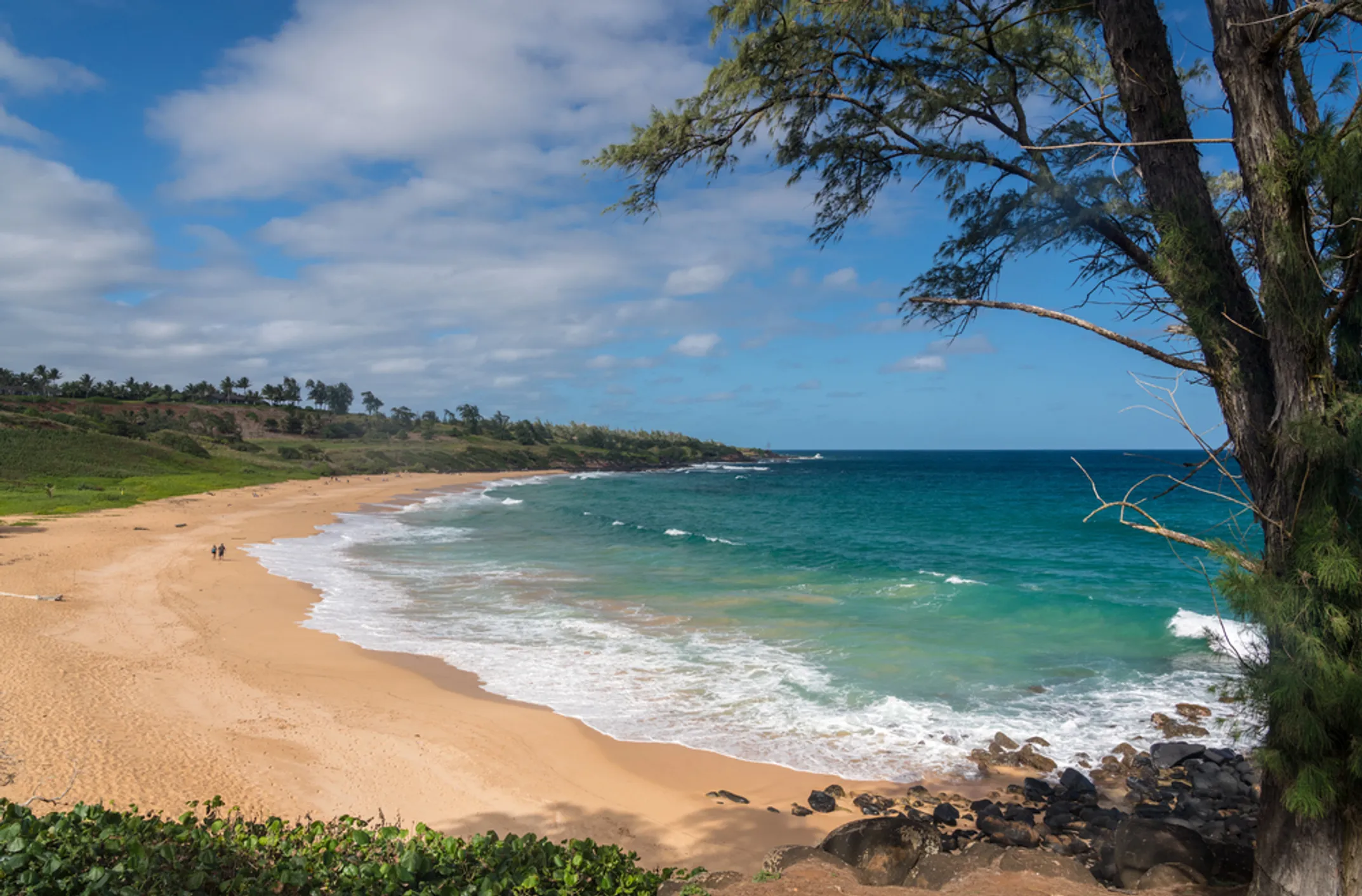
Kealia faces east toward the vast Pacific. No protective outer reef shields it from incoming swells. This raw exposure creates its character and its main dangers.
The Crushing Shorebreak
Without an offshore reef, ocean swells travel unbroken until they hit shallow sandbars near shore. This creates a powerful shorebreak where waves crash with massive force directly onto sand or in very shallow water. Even small-looking waves can knock adults off their feet and cause serious neck and spine injuries. This shorebreak is the most immediate danger at Kealia.
Rip Currents: The Hidden River
Strong rip currents flow here nearly all year. These narrow channels of water rush away from shore. They cause most swimmer rescues and drownings in Hawaii. You can spot them by watching for:
- Churning, choppy, or discolored water that looks different from surrounding areas
- Lines of foam, seaweed, or debris moving steadily out to sea
- Noticeable gaps in the wave breaking pattern
If a Rip Current Catches You:
- Don't panic. Don't fight it directly. Swimming against it causes exhaustion and drowning.
- Stay calm and swim parallel to shore until you escape its pull.
- Then swim back to shore at an angle.
- If you can't swim out, float on your back. Save your energy and wave your arms for help.
- The current won't pull you under. It will carry you offshore, so staying afloat is your main task.
Sudden Drop-Offs
The sandy bottom here isn't a gentle slope. Powerful wave action constantly shifts sand, creating areas that drop off suddenly. This catches swimmers by surprise and pulls them into deeper water where they can't stand.
A Sobering Reality
These warnings aren't theoretical. Kealia has a tragic drowning history. One report documented 16 drownings at this beach by 2012. This fits into a heartbreaking island pattern. Drowning is the top cause of accidental death on Kauai. Visitors, often unfamiliar with our waters' power, make up nearly three-quarters of victims. Recent rescues, like five swimmers pulled from water near the river mouth in July 2023, show these dangers continue.
Your Safety Lifeline: Kealia Lifeguards
Some old travel guides claim Kealia has no lifeguards. This is dangerously wrong and outdated. Kealia Beach is a full Kauai County Park with a permanent lifeguard station. Missing this fact means losing your most valuable safety resource.
Tower Location and Hours
The lifeguard tower sits in the beach center with commanding views of main swimming and surfing areas. Thanks to a recent extension by the Kauai Ocean Safety Bureau, lifeguard hours are now 8:00 AM to 6:00 PM daily, year-round.
The Lifeguard's Mission
Kauai's lifeguards are trained Ocean Safety Officers focused on prevention. They're experts on daily changing conditions. Before entering the water, walk to the tower and talk with them. They'll show you where rip currents are forming that day and give you an honest conditions assessment. Remember our local saying: "If in doubt, don't go out!"
Understanding Warning Flags
Flags posted at the lifeguard tower speak a universal ocean safety language. Learn them and follow them.
🟨 Yellow Flag - Caution
Moderate surf and currents present. Weak swimmers should stay on sand. Strong swimmers use extreme caution.
🟥 Red Flag - High Hazard
Dangerous conditions for everyone. Strong surf and powerful currents exist. No swimming advised.
⬛ Black Flag - Extreme Hazard
Water officially closed due to extreme danger. Do not enter the ocean for any reason.
The "Kealia Pool": Safer Waters at the North End
One spot at Kealia often provides calmer alternative to the powerful main beach shorebreak. At the far north end, you'll see a rock jetty extending into the ocean. This isn't natural. It's what remains of historic "Kealia Landing," a dock built during plantation days for steamships carrying sugar and supplies between islands.
This man-made breakwater disrupts incoming waves, creating a protected, semi-enclosed "pool." This area generally offers the safest swimming and boogie boarding, especially for less experienced ocean-goers. Water is often shallower here with significantly reduced wave energy.
But "safer" doesn't mean "always safe." On big surf days, powerful currents and waves can wrap around the jetty and make this area dangerous too. Always check with lifeguards before entering the water, even in the "pool."
Your Kealia Safety Checklist
Keep these points in mind for every visit:
Always swim at lifeguarded beaches
Always check with lifeguards about current conditions before entering water
Always read and obey all posted warning signs and flags
Never turn your back on the ocean
If in doubt, don't go out
📖 Kealia Beach Guide
🚨 Emergency Info
- Emergency: 911
- Lifeguard Hours: 8 AM - 6 PM
- Ocean Safety: (808) 241-4984
⚠️ Critical Reminder
16 drownings documented at Kealia by 2012. This beach demands respect and caution.
Always check with lifeguards before entering water.
🌊 Rip Current Tips
- Don't panic or fight it
- Swim parallel to shore
- Float if you can't escape
- Wave for help
🏊 Safer Swimming
For families with small children, try Lydgate Park with protected ocean pools.
The "Kealia Pool" at the north end is safer but still requires caution.