Ke Ala Hele Makalae Coastal Path
Your complete guide to Kauai's magnificent coastal path from Kealia Beach

Written by a Local Expert
Leilani AkoKe Ala Hele Makalae: Your Coastal Path Adventure Hub
One of Kealia's two souls is its role as central hub for Ke Ala Hele Makalae, Kauai's magnificent coastal path. The beach isn't just a destination. It's a starting point for a completely different kind of adventure.
"The Path that Goes by the Coast"
The path's official name, Ke Ala Hele Makalae, translates from Hawaiian to "The Path that Goes by the Coast." This simple, elegant description captures its purpose perfectly. This incredible community resource was recently inducted into the Rails-to-Trails Conservancy's national Hall of Fame, a prestigious honor recognizing its immense island value.
The path's existence connects deeply to the same history that shaped Kealia Beach. Much of its route follows old haul cane roads from the former Lihue Plantation, repurposing sugar industry infrastructure for modern recreation and community connection. This shared sugar production heritage links the beach and path intimately.
The path isn't just recreational. It's vital community infrastructure that leaders envisioned to improve public health and provide safe, accessible corridors for physical activity and social interaction. It serves everyone from our keiki (children) to our kūpuna (elders).
The path is paved, mostly flat, and ADA compliant, making it perfect for cyclists, joggers, walkers, and those with strollers or wheelchairs. The main continuous northern section runs about 8 miles, connecting numerous beaches and parks.
Planning Your Path Journey from Kealia
Kealia's ample parking and facilities make it the perfect base camp for exploring the path in either direction.
Heading North to Donkey Beach
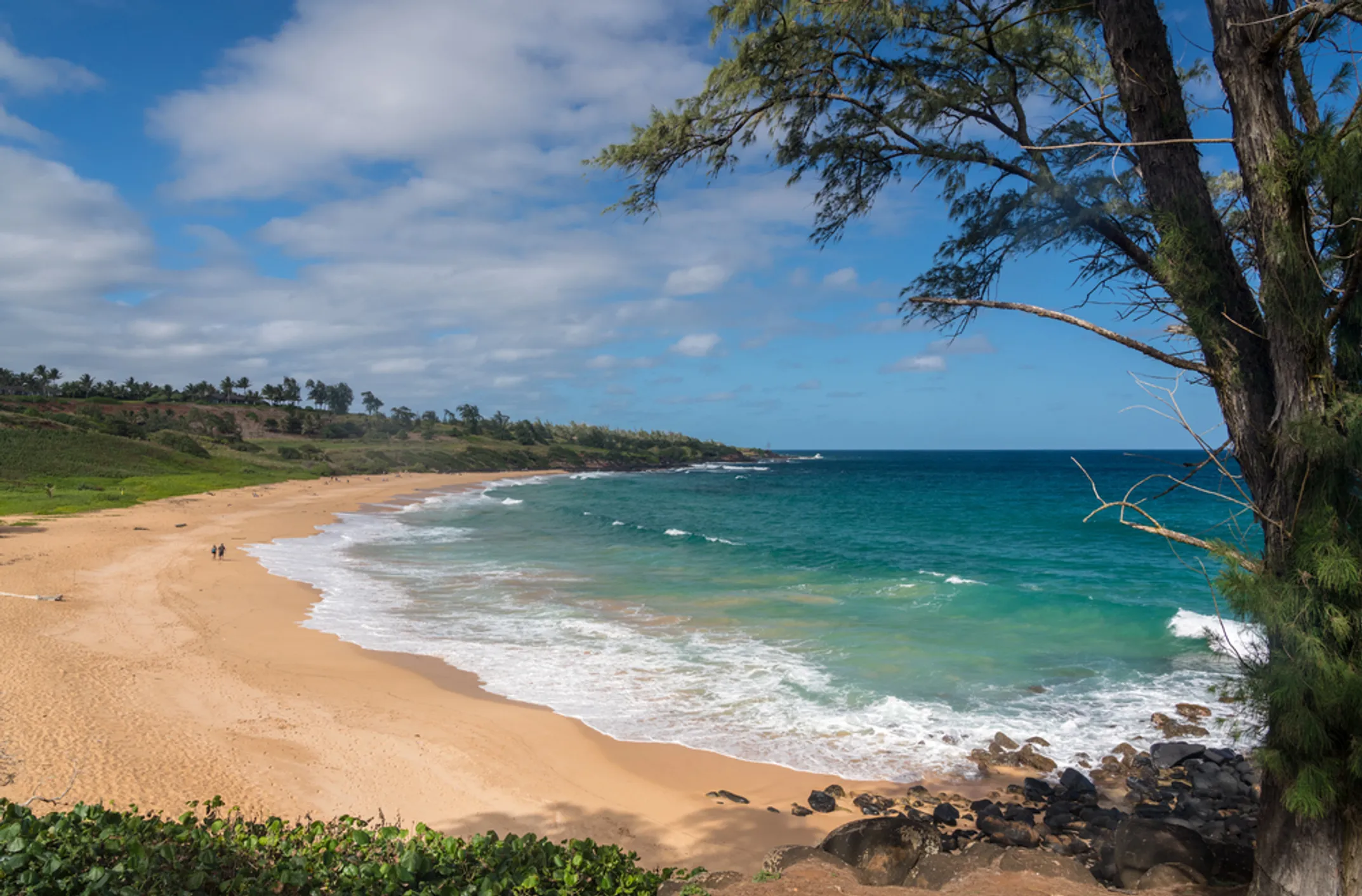
From Kealia, a 1.5-mile ride or walk north takes you along a stunningly scenic and rugged coast section, ending at Paliku Beach, better known as Donkey Beach. This beautiful, secluded cove is worth the journey, but be aware it's not safe for swimming due to powerful waves and no lifeguard services.
Distance: 1.5 miles one way
Difficulty: Easy
Highlights: Rugged coastline, secluded beach, whale watching in winter
Note: Donkey Beach is not safe for swimming
Heading South to Kapaʻa Town
The journey south from Kealia is roughly 4.5 miles taking you directly into historic Kapaʻa Town's heart. This stretch features scenic lookouts, covered pavilions, and other beaches, eventually connecting you to Kapaʻa's charming shops, art galleries, and fantastic food trucks and restaurants.
Distance: 4.5 miles one way
Difficulty: Easy
Highlights: Multiple beaches, Kapaʻa Overlook (whale watching), historic sites, town amenities
Destination: Kapaʻa Town with shops, restaurants, and galleries
Bike Rentals in Kapaʻa
If you don't have your own bike, renting one in Kapaʻa is easy. Several shops are located on or very near the path.
Hele On Kauai
Sits directly on the Kapaʻa Bike Path offering beach cruisers, e-bikes, kids' bikes, tandems, and trikes.
Most convenient location right on the path
Kauai Cycle
A full-service bike shop in Kapaʻa Town selling and servicing major brands like Trek and Specialized.
Best for quality bikes and expert service
Boss Frog's
Kapaʻa location has easy path access and primarily offers men's and women's beach cruisers.
Good for casual beach cruiser rentals
Holoholo Bike Rentals
Located along the path in Kapaʻa for general bike rentals.
Convenient path-side location
Must-See Sights and Path Manners
As you travel the path, watch for interpretive signs sharing area history and culture stories. Key sights include:
- Historic Pineapple Dump Pier: A pineapple industry remnant, now a great whale-watching spot
- Fuji and Waipouli Beaches: Beautiful beach access points along the path
- Kapaʻa Japanese Stone Lantern: Commissioned in 1915 by Japanese plantation workers
- Kapaʻa Overlook: Scenic viewpoint perfect for whale watching
Trail Etiquette
To keep the path pleasant for everyone, follow basic trail manners:
Keep right except when passing
Give clear, audible signals ("On your left!") before passing someone
Travel predictably and look behind you before changing position
If you stop, move completely off the path so others can pass freely
Be courteous to all users, regardless of their speed or travel mode
The History That Shaped This Shore
Understanding Kealia's past adds depth to your visit. This beach and the coastal path share roots in Hawaii's plantation era, when sugar was king and these shores buzzed with industry.
The rock jetty at the north end tells one of the most important stories. This isn't a natural formation but the remains of Kealia Landing, a crucial dock during plantation days. Inter-island steamships used this pier to transport sugar harvests and supplies between islands. Workers would load heavy bags of raw sugar onto ships bound for Honolulu refineries and mainland markets.
The coastal path that now brings cyclists and joggers follows many of the same routes that plantation trains once used. These haul cane roads carried harvested sugar from inland fields to processing mills and shipping points. Today's recreational trail preserves this industrial heritage while serving our community's health and connection needs.
Walking along the path or standing by the old jetty, you can almost hear the steam whistles and see the workers who made this coast a vital link in Hawaii's economic chain. Their hard work and the industry they built shaped not just this beach but our entire island's development.
Cultural Connections and Respect
Kealia Beach exists within the rich cultural landscape of Hawaii. Understanding and respecting these connections enhances your experience and honors the people who call these islands home.
The Name Kealia
"Kealia" means "salt encrusted" in Hawaiian, referring to natural salt deposits left by evaporating seawater. This name reflects the area's relationship with the ocean and its importance in traditional Hawaiian life.
Salt was precious in ancient Hawaii, used for food preservation, medicine, and religious ceremonies. Many coastal areas throughout the islands share the name Kealia, showing how widespread salt gathering was in traditional Hawaiian society.
Plantation Heritage
The sugar plantation era dramatically changed this landscape. Thousands of immigrants from Japan, Philippines, Portugal, and other countries came to work the fields. Their descendants became part of Hawaii's unique multicultural identity.
The Kapaʻa Japanese Stone Lantern visible from the coastal path represents this heritage. Commissioned in 1915 by Japanese plantation workers, it stands as a testament to their contributions and community spirit.
Respectful Visiting
Observe Don't Disturb
Watch local activities like fishing or surfing without interfering. These aren't performances for tourists but part of daily life.
Support Local
Choose local businesses and restaurants when possible. This helps keep tourism benefits in the community.
Learn and Listen
Take opportunities to learn about Hawaiian culture from respectful sources. Many local organizations offer cultural programs open to visitors.
Practice Aloha
This isn't just a greeting but a way of approaching the world with love, respect, and kindness.
📖 Kealia Beach Guide
🚴 Path Quick Info
- Total Length: ~8 miles
- Surface: Paved
- Difficulty: Easy
- ADA: Compliant
- Best For: All ages
🗺️ Routes from Kealia
North to Donkey Beach
1.5 miles • Scenic & rugged
South to Kapaʻa Town
4.5 miles • Beaches & town
🚲 Bike Rentals
- Hele On Kauai
- Kauai Cycle
- Boss Frog's
- Holoholo Bike Rentals
All located in Kapaʻa near the path
🎒 What to Bring
- Water bottle
- Sunscreen & hat
- Camera
- Snacks
- Bike lock (if renting)
👥 Path Etiquette
- • Keep right
- • Call out when passing
- • Be courteous
- • Move off path when stopping