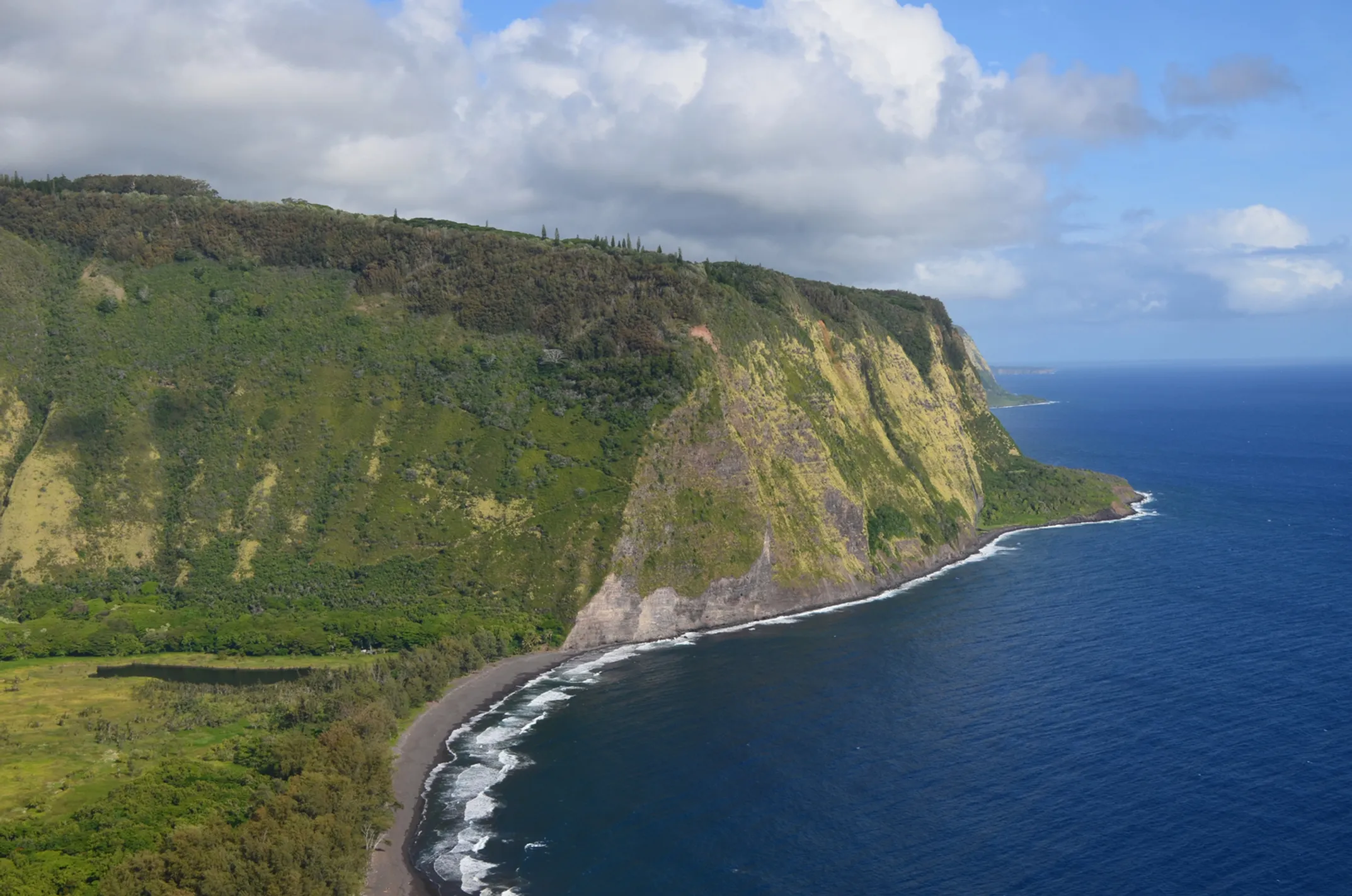
Kamakahonu Bay: Hawaii's Sacred Royal Beach
Where King Kamehameha I ruled and Hawaiian history changed forever
Written by a Local Expert
Kalani Miller"Aloha, friends. When I first brought my keiki to this small white sand beach in Kailua-Kona, I watched them splash in the calm water while green sea turtles glided past. My youngest, Kiele, pointed excitedly at the ancient stone temple rising from the shore. 'Papa, what's that?' she asked."
That's when I realized something special. Here at Kamakahonu Bay, my family was playing in the same waters where Hawaiian history changed forever. This isn't just another pretty beach. This is where King Kamehameha I made his final home. Where the ancient kapu system ended in a single dramatic meal. Where the first missionaries stepped onto Hawaiian soil.
🐢 Hawaiian Name Meaning
Standing at the northern edge of Kailua Bay, Kamakahonu means "the eye of the turtle." The name comes from a turtle-shaped rock that once marked this spot, now mostly hidden under the Kailua Pier. This small cove is a piko—a sacred center—of our islands' story.
Over the years, I've brought hundreds of visitors to this sacred place. I've watched mainland families discover their first honu encounter. I've seen local keiki learn about their heritage for the first time. I've guided couples through their first paddle in Hawaiian waters. Each visit teaches me something new about this remarkable place where past and present flow together like the gentle currents in the bay.
Today, I want to share everything I've learned about Kamakahonu Bay—from its profound historical significance to the best spots for your family to snorkel safely. Whether you're planning your first visit to the Big Island or you're a longtime Hawaii resident looking to deepen your connection to our history, this guide will help you experience Kamakahonu with the respect and wonder it deserves.
The Royal Legacy: Understanding Kamakahonu's Place in History
To truly appreciate Kamakahonu Bay, you need to understand the man who chose this spot as his final home. King Kamehameha I wasn't just any ruler—he was the warrior-king who united all the Hawaiian Islands for the first time in recorded history. After decades of warfare, strategic alliances, and political maneuvering, he had accomplished what no chief before him had managed.
But by 1812, Kamehameha was no longer the young warrior who had launched his conquest from these same Kona shores. He was an aging king facing the challenges of governing a unified kingdom. The choice to move his capital back to Kona from Honolulu wasn't made lightly. It represented a fundamental shift in his priorities from conquest to governance, from warrior to statesman.
Strategic Royal Location
The location itself tells the story of his strategic thinking. Kamakahonu offered everything a wise ruler needed:
- ⚓ Protected harbor for Western ships
- 👁️ Clear sightlines to monitor coastal approaches
- 🌾 View of the agricultural fields of Kūāhewa
When Kamehameha returned to Kona, he found the district suffering from famine. One of his first acts was to rededicate the local heiau to Lono, the god of agriculture and prosperity. This wasn't just symbolic—it was practical leadership. By demonstrating his commitment to the spiritual practices that ensured good harvests, he was directly addressing his people's most pressing need.
The royal compound that grew up around Kamakahonu became a bustling center of Pacific commerce and diplomacy. Foreign ships anchored in the bay while their captains negotiated trade agreements. Hawaiian chiefs from outer islands came to pay tribute and seek the king's counsel. Artisans worked on royal projects while priests maintained the daily rituals that kept the kingdom in harmony with the gods.
John Papa ʻĪʻī, who lived at the court during this period, left us detailed descriptions of daily life at Kamakahonu. He wrote of the king's morning routine, which began before dawn with prayers at the heiau. He described the elaborate protocols that governed every interaction, from the way food was prepared to the order in which visitors could approach the king. These weren't empty ceremonies—they were the social technology that held a complex, multi-island kingdom together.
The compound itself reflected this blend of traditional Hawaiian governance and growing Western influence. Traditional thatched buildings followed ancient design principles, with separate structures for eating, sleeping, and conducting different types of business. But alongside these stood innovations like Aikona's stone house, built by a foreign craftsman to store gunpowder and rum—the new tools of power in a changing Pacific.
The natural anchialine pools scattered around the compound served as more than decorative features. These mixing zones of fresh and salt water were carefully managed aquaculture systems, raising the bait fish and shrimp that fed the royal household. Even in the heart of his political center, Kamehameha demonstrated the sustainable resource management that had allowed Hawaiian communities to thrive for centuries.
ʻAhuʻena Heiau: The Sacred Heart of a Kingdom
If Kamakahonu was the political center of Kamehameha's kingdom, then ʻAhuʻena Heiau was its spiritual heart. The temple's name means "burning altar," and its flames cast light on some of the most important moments in Hawaiian history.
The heiau had ancient roots stretching back to the legendary chief ʻUmi-a-Līloa in the 1500s. But when Kamehameha rebuilt it between 1812 and 1813, he fundamentally changed its character. What had been a luakini—a temple of war where human sacrifices sanctified the king's military campaigns—became a heiau māpele dedicated to Lono, the god of peace, fertility, and abundance.
This transformation reflected Kamehameha's evolution as a ruler. The warrior who had conquered the islands through superior tactics and Western weapons was now a king focused on the harder task of building a lasting, prosperous nation. The change from a war temple to a peace temple wasn't just symbolic—it announced to his people and to visiting foreigners that Hawaii had entered a new era.
The daily rhythm of the heiau reflected its multiple functions. Each morning, before the business of governing began, Kamehameha would join the priests in prayers and offerings to Lono. These weren't perfunctory rituals but serious spiritual work, asking the gods to bless the kingdom with good weather, abundant harvests, and peaceful relations with neighboring chiefs.
As the day progressed, the heiau became a classroom. Here, Kamehameha personally instructed his heir, Prince Liholiho, in the complex skills needed to rule a Pacific kingdom. The young prince learned not just Hawaiian traditions but also how to navigate relationships with American merchants, British naval officers, and Russian explorers. He studied traditional navigation alongside Western cartography, ancient land management practices alongside modern agricultural techniques.
When evening came, the heiau transformed again into the kingdom's cabinet room. Here, under the open sky and in the presence of the gods, Kamehameha met with his highest chiefs to make the decisions that affected hundreds of thousands of people across the island chain. These weren't casual conversations but formal councils governed by strict protocol and informed by deep spiritual practice.
The physical structures of the heiau each served specific ceremonial and practical functions. The Hale Mana (House of Spiritual Power) anchored the complex as both a place of prayer and the primary meeting hall for the kingdom's leadership. Its elevated position and sacred character marked it as the most important building in all of Hawaii.
The Hale Pahu (Drum House) sheltered the great kahu drums whose voices could be heard across Kailua Bay. These weren't just musical instruments but communication technology, capable of transmitting complex messages through rhythm and tone. When the drums spoke from ʻAhuʻena Heiau, everyone from fishing canoes to upland farms knew that the king was making important announcements.
The ʻAnuʻu (Oracle Tower) represented the highest level of spiritual technology available to Hawaiian rulers. This distinctive tall, white tower served as a communication link between the earthly kingdom and the realm of the gods. When the kahuna nui (high priest) entered the tower to receive divine messages, he was performing one of the most sophisticated religious practices in the Pacific.
From his personal retreat, the Hale Nana Mahinaʻai (House to See the Gardens), Kamehameha could survey the agricultural lands that fed his people. This wasn't just a scenic overlook but a working observation post where the king monitored the seasonal cycles that determined his kingdom's prosperity. From here, he could spot the first signs of drought, evaluate the progress of different crops, and coordinate the labor forces that maintained Hawaii's complex irrigation systems.
🏛️ Sacred Structures
The heiau's buildings each served specific functions, from the Hale Mana (House of Spiritual Power) to the distinctive ʻAnuʻu (Oracle Tower) that connected earthly rulers to divine guidance.
🥁 Royal Communication
The Hale Pahu (Drum House) contained great kahu drums whose voices carried across Kailua Bay, transmitting complex royal messages through rhythm and tone to the entire kingdom.
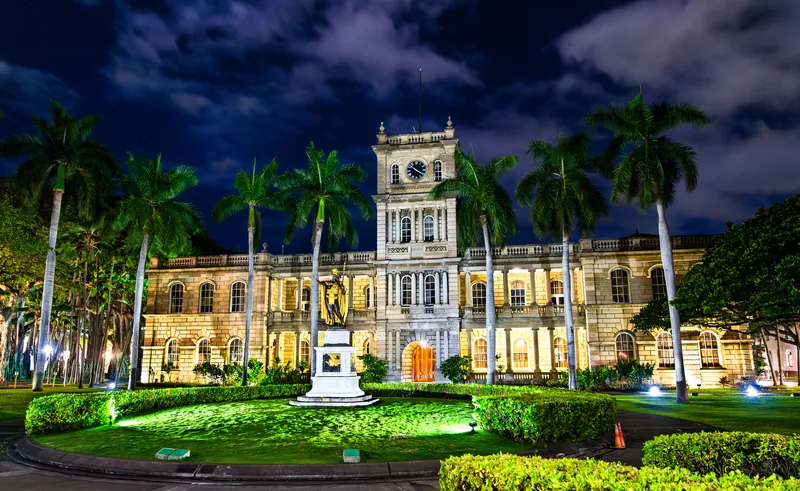
Experience Living History
Walk the same grounds where King Kamehameha I ruled the unified Hawaiian Kingdom and witness the reconstructed ʻAhuʻena Heiau where ancient ceremonies still honor Hawaiian traditions.
ℹ️ Quick Info
- Best for: Families & History
- Beach Type: Protected cove
- Entry Fee: Free
- Parking: $20-45/day
- Best Time: 6-10 AM
🎒 What to Bring
- Snorkel gear & water shoes
- Reef-safe sunscreen
- Towels & water
- Camera for underwater
- Cash for parking
📖 Complete Guide
Current page
ʻAi Noa & missionaries
Page 3: Activities & RecreationSnorkeling & paddling
Page 4: Planning Your VisitLogistics & accommodations
Page 5: Dining & AttractionsRestaurants & nearby sites
Page 6: Conservation & TipsMarine life & photography