Responsible Whale Watching
Mālama i ke Kai - Caring for the Ocean
Being a Responsible Whale Watcher (Mālama i ke Kai)
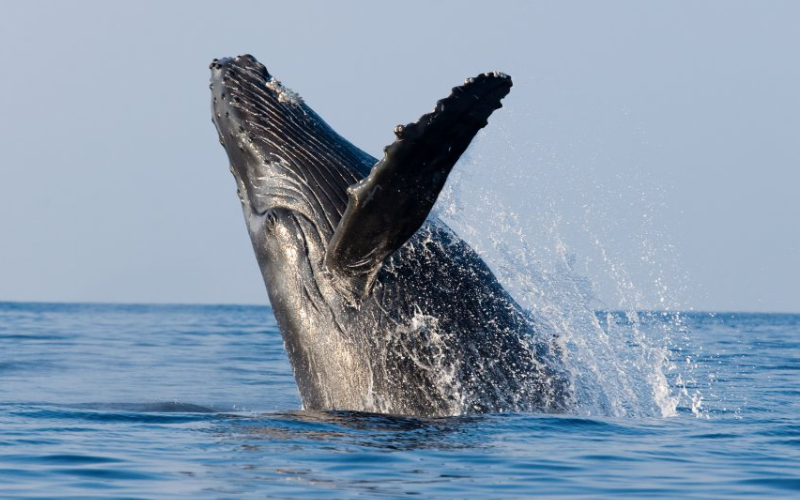
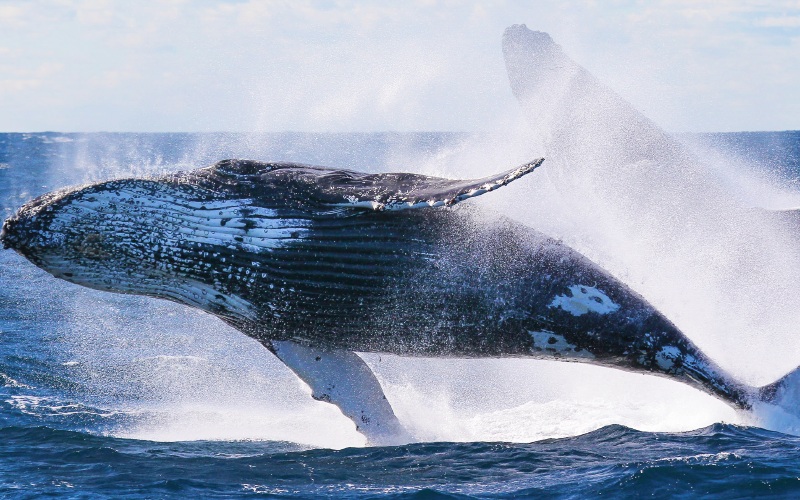
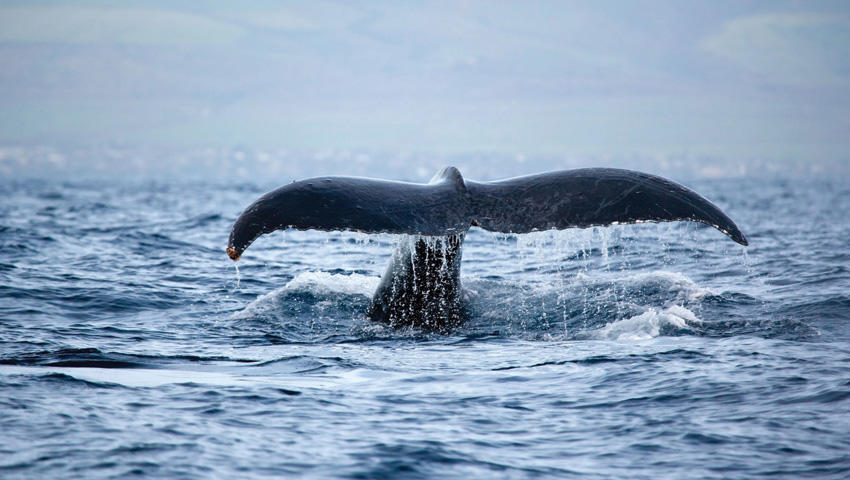
To witness the koholā in their natural habitat is a profound privilege, and with that privilege comes a deep responsibility—what we in Hawaii call kuleana. Practicing mālama i ke kai, or caring for the ocean, is essential to ensure these magnificent creatures continue to return to our shores for generations to come. This means understanding the laws, making conscious choices, and approaching the experience with a spirit of respect.
Your choice of tour operator is the single biggest way you can contribute to responsible whale watching. A great tour doesn't just show you whales. It educates you, respects the culture, and actively works to protect the ocean.
Know the Law, Respect the Animals
Federal Marine Mammal Protection
The laws protecting our marine mammals are clear, simple, and strictly enforced for the well-being of the animals.
The 100-Yard Rule
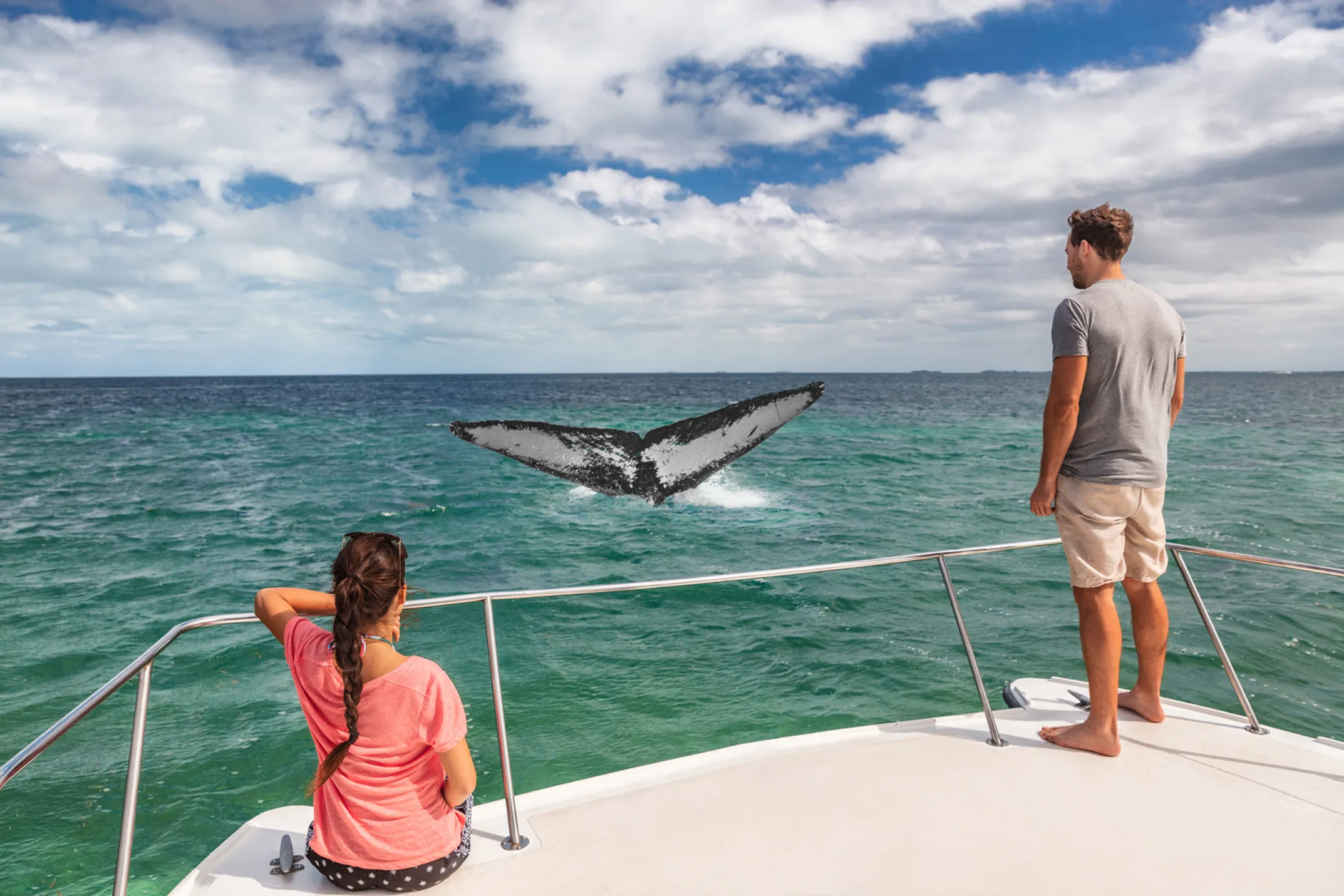
It is illegal for any person or vessel (including boats, kayaks, canoes, paddleboards, and drones) to approach a humpback whale within 100 yards (90 meters) in Hawaiian waters. For aircraft, the minimum altitude is 1,000 feet.
This rule is critical because getting too close can cause significant stress to the whales, especially mothers trying to rest and nurse their vulnerable calves.
The "Mugging" Exception
Sometimes, a curious whale will choose to approach a vessel on its own. This incredible experience is called a "mugging."
If this happens, federal law requires the captain to put the boat's engine in neutral and not re-engage until the whale has safely passed. It's a moment to be still, quiet, and grateful.
General Guidelines
- Never attempt to swim with, touch, or feed the whales
- Limit your viewing time at any single encounter to 30 minutes
- Never trap an animal between your vessel and the shore
How to Choose an Eco-Friendly & Culturally Responsible Tour
Your choice of tour operator is the single biggest way you can contribute to responsible whale watching. A great tour doesn't just show you whales. It educates you, respects the culture, and actively works to protect the ocean. Here's what I look for when I recommend a company:
🏆 Look for Certifications
Seek out operators who participate in programs like NOAA's Dolphin SMART or are designated as "Whale Aware." These certifications indicate a commitment to responsible practices and ongoing education that goes beyond the legal minimum.
🧑🔬 Ask About the Crew
The best tours are led by passionate, knowledgeable staff. I always favor companies that have marine biologists or certified naturalists on board. Their ability to provide in-depth information elevates the entire experience.
🌱 Observe Their Practices
A truly eco-friendly company's commitment is visible. Do they use reusable cups instead of single-use plastics? Do they talk about efforts to reduce fuel consumption? Do they pick up marine debris? These actions speak volumes.
🌺 Listen for Cultural Connection
The koholā are deeply significant in Hawaiian culture. Operators who acknowledge this connection, perhaps by starting with a traditional chant like the E Ho Mai, demonstrate deeper understanding and reverence.
Support Conservation
Ask if a portion of their proceeds goes toward marine research or local conservation efforts. Many of the best operators are actively involved in data collection for researchers or contribute to non-profits dedicated to protecting Hawaii's oceans.
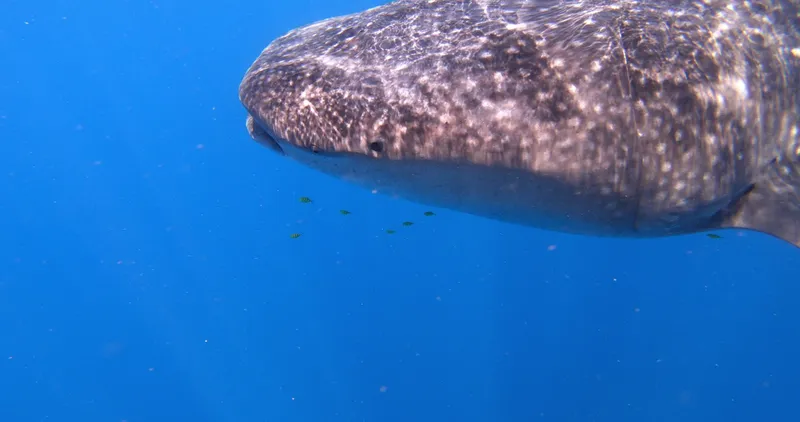
The rich marine ecosystem of Hawaiian waters supports diverse species like this gentle whale shark - responsible whale watching helps protect this entire underwater world for future generations.
Report Violations
If you witness a marine animal that appears injured or entangled, or see a vessel violating the approach rules, please report it.
NOAA Marine Wildlife Hotline: (888) 256-9840
NOAA Fisheries Enforcement Hotline: (800) 853-1964
Beyond the Whales: Crafting Your Perfect Oahu Adventure Day
A morning with the whales is a powerful experience that can leave you feeling one of two ways: buzzing with adrenaline from the sheer power you've witnessed, or quiet and reflective from the profound connection you've just made. Luckily, Oahu has the perfect afternoon adventure for either mood.
🏞️ For the Adrenaline Junkie
Coral Crater Adventure Park
If watching a 45-ton whale breach makes you want to fly through the air yourself, then your next stop has to be Coral Crater Adventure Park. It's the island's best playground for thrill-seekers and is conveniently the closest adventure park to the Waikiki area.
6-Line Zipline Course
Soar through jungle canopy at 25+ mph
ATV Adventures
Technical trails for two-seater or solo ATVs
Adventure Tower
18-element aerial obstacle course with 50-foot freefall
🏛️ For the History Buff
Pearl Harbor
If the ancient, epic migration of the whales has you in a more contemplative mood, there's no better place to connect with a different, but equally profound, part of Oahu's history than Pearl Harbor. It's a place of deep significance for Hawaii and the world.
USS Arizona Memorial
23-minute film + Navy boat shuttle to memorial
Battleship Missouri
Walk the decks where WWII officially ended
USS Bowfin Submarine
Explore the "Pearl Harbor Avenger"
Your Oahu Whale Watching Questions, Answered
I get asked a lot of practical questions about planning a whale watch. Here are the answers to the most common ones to help make your trip as smooth as possible.
Will I get seasick? What can I do?
It's possible, especially on smaller, faster boats or on days with rougher seas. If you're prone to motion sickness, I strongly recommend choosing a larger, more stable vessel like a catamaran. You can also take non-drowsy motion sickness medication like Dramamine before the tour, or try natural remedies like ginger capsules, which some boats even offer on board.
Are whale sightings guaranteed?
While these are wild animals and nothing in nature is 100% guaranteed, most reputable tour companies have such high success rates during peak season (Jan-Mar) that they offer a guarantee. This usually means that if you don't see a whale on your trip, you can come back again for a free tour.
What should I wear and bring on a tour?
I always recommend layers. It can be cool and breezy on the water, even on a sunny day. Definitely bring reef-safe sunscreen, a hat, and a camera with a good zoom lens. My number one pro tip: wear polarized sunglasses. They cut the glare on the water's surface, making it so much easier to spot whales and other marine life. Also, bring a credit card or cash for drinks, souvenirs, or to tip the hardworking crew.
Are tours child-friendly?
Absolutely! Whale watching is a fantastic family activity. For families with younger children, I generally recommend the larger catamarans for their stability, space, and onboard restrooms. Most tours welcome children, but it's always a good idea to check with the specific operator about any age restrictions.
What's the best time of day to go?
Early morning and late afternoon tours are often considered the best. The ocean can be calmer at these times, and the lower angle of the sun provides beautiful lighting for photos, reducing midday glare.
How far in advance should I book?
During the peak months of January through March, I highly recommend booking your tour at least a week or two in advance. The smaller, more intimate tours can fill up quickly. For private charters, you should plan even further ahead.
Can I bring my own food or drinks?
Generally, outside food and beverages are not allowed. Most tours provide complimentary water and juice, and many have snacks and alcoholic beverages available for purchase. Always check your specific tour's policy when you book.
Continue Your Whale Watching Journey
Explore more aspects of Oahu's incredible whale watching experience
🐋 Whale Season Info
- Peak Season: Jan - Mar
- Best Months: Feb - Mar
- Tour Duration: 2.5-4 hours
- Price Range: $75 - $150+
- Success Rate: 95%+ in season
🎒 What to Bring
- Reef-safe sunscreen
- Polarized sunglasses
- Camera with zoom lens
- Motion sickness medication
- Binoculars (for shore viewing)
- Layers for weather
📍 Best Shore Viewing
2-mile paved hike with panoramic views
Drive-up lookout with sea cliff views
Rugged hike, fewer crowds
⚖️ Marine Protection Laws
- 100-yard rule: Vessels must stay 100+ yards away
- No swimming: Never attempt to swim with whales
- Aircraft: Minimum 1,000 feet altitude
Report violations: (888) 256-9840
📖 Complete Guide
📧 Whale Alerts
Get notified about peak whale activity and exclusive tour discounts.
Ready for Your Oahu Whale Adventure?