Conservation & Planning
Success Stories and Perfect Planning
Conservation Success Story: The Recovery of Hawaiian Humpbacks
From Near-Extinction to Recovery
The story of humpback whales in Hawaiian waters is one of the greatest conservation success stories in marine biology. Understanding this journey from near-extinction to recovery adds depth and meaning to every whale sighting.
The Dark Years
By the early 1960s, commercial whaling had reduced the North Pacific humpback population to fewer than 1,400 individuals. These magnificent creatures were on the brink of extinction, victims of an industry that saw them only as sources of oil and other products.
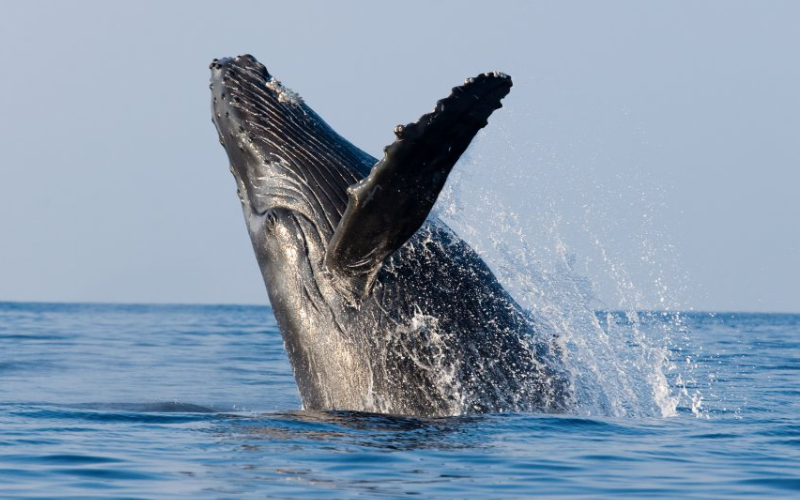
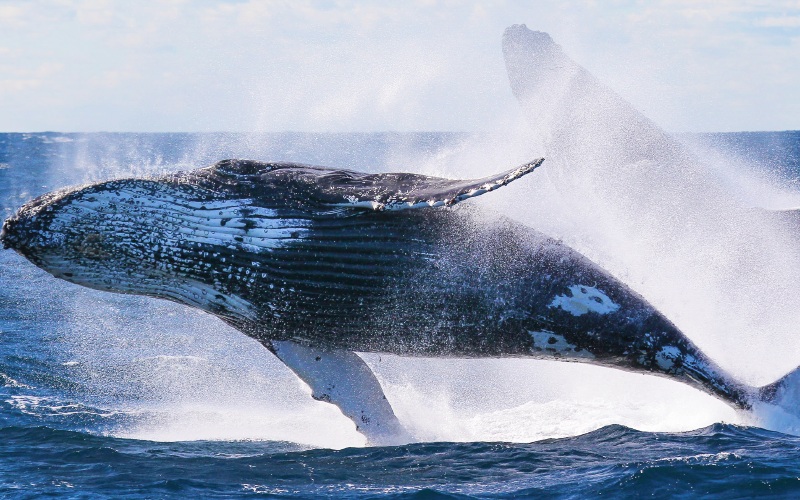
The whales that visit Hawaii today are the descendants of those few survivors. Every breach, every song, every newborn calf represents the resilience of a species that refused to disappear.
Protection and Recovery
The turning point came with the Marine Mammal Protection Act of 1972 and the Endangered Species Act of 1973, which provided federal protection for humpback whales. Commercial whaling was banned, and harassment of whales became illegal.
In 1992, Congress designated the Hawaiian Islands Humpback Whale National Marine Sanctuary, protecting 1,400 square miles of ocean habitat around the main Hawaiian islands.
The Numbers Today
21,000+
Current North Pacific humpback population
14x
Increase from the lowest point
10,000-12,000
Whales visiting Hawaii annually
This success led to the removal of humpback whales from the Endangered Species List in 2016, though they remain protected under the Marine Mammal Protection Act.
Ongoing Challenges
While the recovery is a success story, humpback whales still face modern threats:
Ship Strikes
Collisions with vessels remain a significant cause of whale mortality, especially along busy shipping lanes.
Entanglement
Fishing gear, particularly from crab and lobster fisheries on the U.S. West Coast, can entangle whales, leading to injury or death.
Ocean Noise
Increasing ship traffic and industrial ocean noise can interfere with whale communication and navigation.
Climate Change
Changing ocean temperatures and food availability in feeding areas could impact whale populations in the future.
How Whale Watching Helps
Responsible whale watching contributes to conservation in several ways:
- Economic Incentive: Generates millions annually, creating powerful incentive to protect whales
- Education: Every person who experiences whales becomes an advocate for marine conservation
- Research Support: Many operators contribute profits to research and conservation organizations
- Citizen Science: Tours participate in research programs, collecting valuable data
Planning Your Perfect Whale Watching Day: A Step-by-Step Timeline
Maximize Enjoyment, Minimize Stress
Creating the perfect whale watching experience requires more than just showing up at the harbor. Here's how I recommend structuring your day for maximum enjoyment and minimal stress.
The Night Before
Check the Weather
Ocean conditions can change quickly. Look for days with light winds and calm seas. If the forecast shows strong trade winds or stormy weather, consider rescheduling.
Prepare Your Gear
Lay out reef-safe sunscreen, polarized sunglasses, a hat, comfortable layers, and your camera with extra batteries.
Motion Sickness Prep
If you're prone to motion sickness, take your medication before bed—some medications work better when taken 12-24 hours in advance.
Get Good Sleep
Early morning tours are popular, and you'll want to be alert for spotting whales and enjoying the experience.
Morning of Your Tour
Eat a Light Breakfast
Don't go out on an empty stomach, but avoid heavy, greasy foods. I recommend toast, fruit, or yogurt.
Arrive Early
Get to the harbor 30 minutes before departure. This gives you time to park, check in, use the restroom, and get the best seats.
Apply Sunscreen
Even on cloudy days, the sun's reflection off the water can cause serious burns. Apply generously and reapply during the tour.
Final Gear Check
Camera, extra batteries, water, snacks, motion sickness medication, and any personal items you'll need.
During the Tour
Listen to the Safety Briefing
Pay attention to the crew's instructions about where to sit, how to move around the boat safely, and what to do if whales approach.
Scan the Horizon
Don't just look where everyone else is looking. Whales can surface anywhere, and you might be the first to spot one.
Be Patient
Remember, these are wild animals. Some days are more active than others, but every moment on the ocean is special.
Stay Hydrated
Bring or buy water on the boat. The ocean breeze can be dehydrating, especially on sunny days.
After the Tour
Take Time to Process
A whale encounter can be emotionally overwhelming. Take a few minutes to sit quietly and absorb what you've experienced.
Share Responsibly
If you post photos or videos on social media, avoid revealing specific locations or times to prevent overcrowding at sensitive whale areas.
Support Conservation
Consider making a donation to a whale research or conservation organization to help protect the animals you've just witnessed.
Plan Your Next Adventure
Whether it's Pearl Harbor, Coral Crater Adventure Park, or exploring more of Oahu's natural wonders.
The Economics of Whale Watching: Supporting Local Communities
More Than Tourism - Community Impact
Whale watching isn't just about the whales—it's a vital part of Hawaii's economy that supports thousands of jobs and helps fund conservation efforts. Understanding this economic impact helps explain why protecting whales is so important to island communities.
$20M+
Annual direct revenue from whale watching in Hawaii
$100M+
Total economic contribution including indirect impacts
1,500
Jobs supported statewide by whale watching industry
Supporting Local Families
Many whale watching operations are family-owned businesses that have been passed down through generations. When you choose a local operator over a large corporation, more of your money stays in the community and supports island families.
These businesses often employ local residents who have deep knowledge of Hawaiian waters and culture. Your tour guide might be someone who grew up surfing these reefs or whose grandmother taught them traditional Hawaiian navigation techniques.
Funding Research and Conservation
A portion of whale watching revenue directly supports scientific research and conservation efforts. The Pacific Whale Foundation, for example, uses proceeds from their tours to fund research on whale behavior, migration patterns, and population health.
Many operators also participate in citizen science programs, training their crews to collect data on whale sightings that contributes to long-term population studies.
The Ripple Effect
When you book a whale watching tour, your spending doesn't just support the boat operator. It creates a ripple effect throughout the local economy, supporting hotels, restaurants, car rentals, shops, and countless other businesses that make Hawaii's tourism industry possible. This interconnected web of economic activity makes whale conservation not just an environmental issue, but an economic imperative for island communities.
Continue Your Whale Watching Journey
Complete your knowledge with advanced tips and future insights
🐋 Whale Season Info
- Peak Season: Jan - Mar
- Best Months: Feb - Mar
- Tour Duration: 2.5-4 hours
- Price Range: $75 - $150+
- Success Rate: 95%+ in season
🎒 What to Bring
- Reef-safe sunscreen
- Polarized sunglasses
- Camera with zoom lens
- Motion sickness medication
- Binoculars (for shore viewing)
- Layers for weather
📍 Best Shore Viewing
2-mile paved hike with panoramic views
Drive-up lookout with sea cliff views
Rugged hike, fewer crowds
⚖️ Marine Protection Laws
- 100-yard rule: Vessels must stay 100+ yards away
- No swimming: Never attempt to swim with whales
- Aircraft: Minimum 1,000 feet altitude
Report violations: (888) 256-9840
📖 Complete Guide
📧 Whale Alerts
Get notified about peak whale activity and exclusive tour discounts.
Ready for Your Oahu Whale Adventure?