Marine Life & Ocean Protection
Understanding and protecting Oahu's underwater treasures
Written by a Local Expert
Kalani MillerUnderstanding Oahu's Marine Life
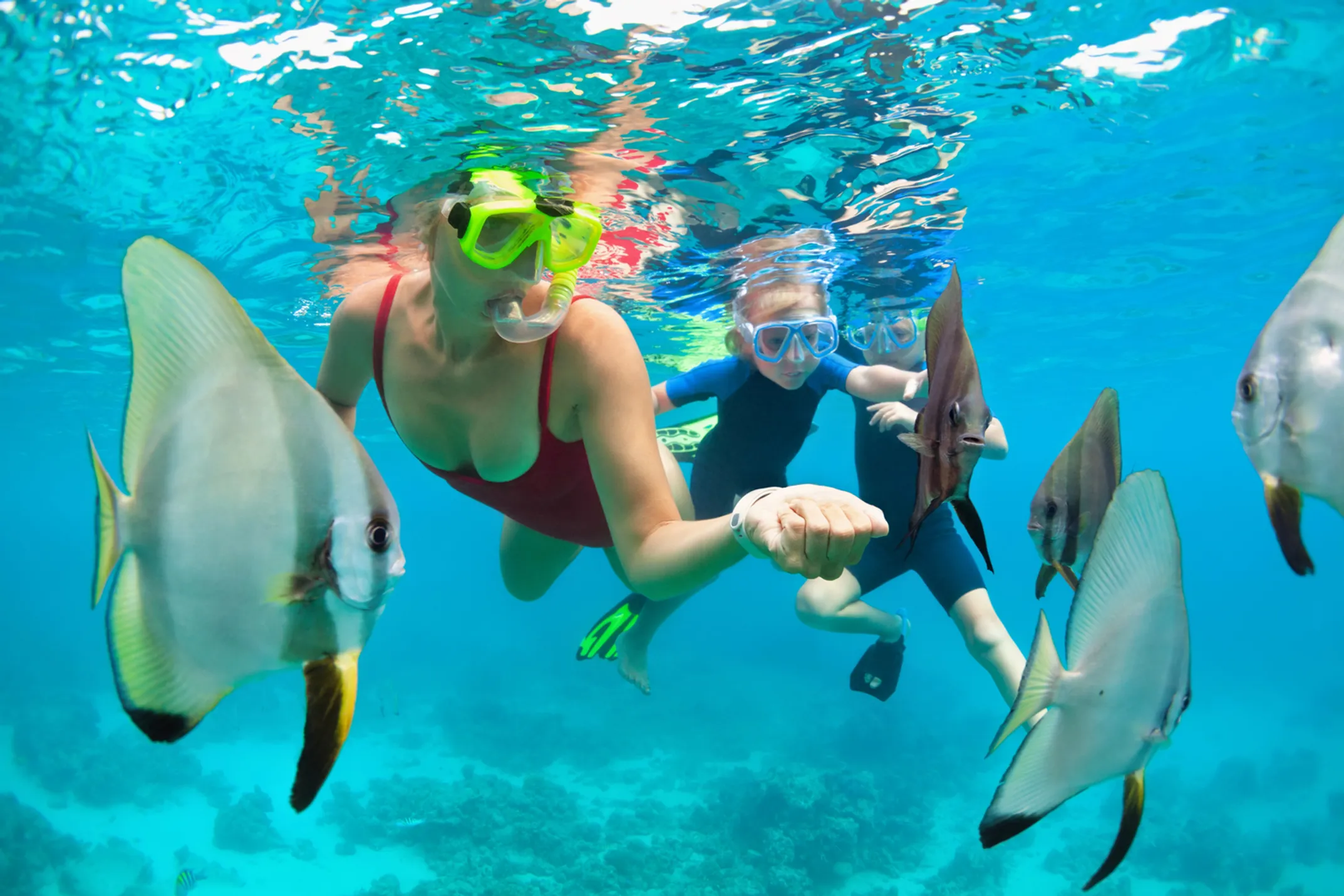
Knowing your underwater neighbors makes every snorkeling experience richer. Here are the residents you're most likely to encounter in Oahu's waters:
Honu (Hawaiian Green Sea Turtle)
The beloved ancient souls of our reefs. These protected creatures often graze on seaweed in shallow areas or rest on North Shore beaches. Always maintain at least 15 feet distance and never block their path to air or deeper water.
Humuhumunukunukuāpuaʻa (Reef Triggerfish)
Hawaii's colorful state fish, easily recognized by its pig-like snout and vibrant patterns. They can be territorial when nesting, so give them space if one seems aggressive.
Schools of Tropical Fish
Yellow tangs travel in brilliant schools that sometimes help clean turtle shells. Butterflyfish varieties include the longnose butterflyfish with its extended snout and raccoon butterflyfish with distinctive facial markings.
Parrotfish (Uhu)
These large, colorful fish play crucial roles in reef health. You'll often hear them crunching as they scrape algae off coral with their beak-like mouths.
Masters of Disguise
Trumpetfish change color to blend in while hunting, and octopuses (he'e) are ultimate camouflage artists. A moving piece of reef might actually be an octopus changing texture and color.
Offshore Encounters
Deeper waters accessible by boat tours offer encounters with spinner dolphins, manta rays, and other larger marine life rarely seen from shore.
🐢 Hawaiian Green Sea Turtle
Protected species - maintain 15 feet distance. Often seen grazing on algae in shallow reef areas.
🐠 Butterflyfish
Colorful reef fish with distinctive patterns. Multiple species including longnose and raccoon varieties.
🐙 Hawaiian Day Octopus
Master of camouflage - often looks like coral or rock until it moves. Incredible intelligence.
🦭 Hawaiian Monk Seal
Critically endangered - maintain 150 feet distance. Occasionally rest on beaches.
🐟 Quick ID Guide
- Yellow Tang: Bright yellow disk
- Moorish Idol: Black/white stripes
- Parrotfish: Large, colorful, beaks
- Wrasse: Elongated, colorful
- Surgeonfish: Sharp tail spines
🛡️ Protection Guidelines
- Look but don't touch
- Give animals space
- Don't chase or corner
- Never feed fish
- Stay off coral
Protecting Our Ocean Paradise
In Hawaii, we live by mālama ʻāina - caring for the land - which extends to mālama i ke kai, caring for the ocean. Your snorkeling choices directly impact the health of our reefs.
Reef-Safe Sunscreen Requirements
Hawaii law now bans sunscreens containing oxybenzone and octinoxate, chemicals proven to cause coral bleaching. When packing for your trip, choose mineral-based sunscreens with zinc oxide or titanium dioxide as the only active ingredients.
Read labels carefully - terms like "reef-friendly" aren't regulated. Only products listing "non-nano zinc oxide" or "titanium dioxide" as active ingredients are truly reef-safe. UV protective clothing reduces sunscreen needs entirely.
The Snorkeler's Code of Conduct
Look, Don't Touch
Coral consists of living animals. Even gentle contact can damage protective layers and kill these slow-growing creatures.
Give Wildlife Space
Never chase, corner, or harass marine animals. It's illegal to disturb sea turtles and marine mammals.
Stay Off the Reef
Never stand or rest on coral. Find sandy areas for mask adjustments or simply float on your back.
Leave Only Bubbles
Pack out everything you bring. Plastic bags look like jellyfish to hungry turtles and other marine life.
Mālama i ke kai - Care for the ocean.
Your snorkeling choices today determine what future generations will experience in Hawaii's waters. Every small action matters in protecting these underwater treasures.
Ready to Plan Your Adventure?
Learn about equipment, timing, and seasonal considerations for the perfect snorkeling experience.