Complete Planning Guide
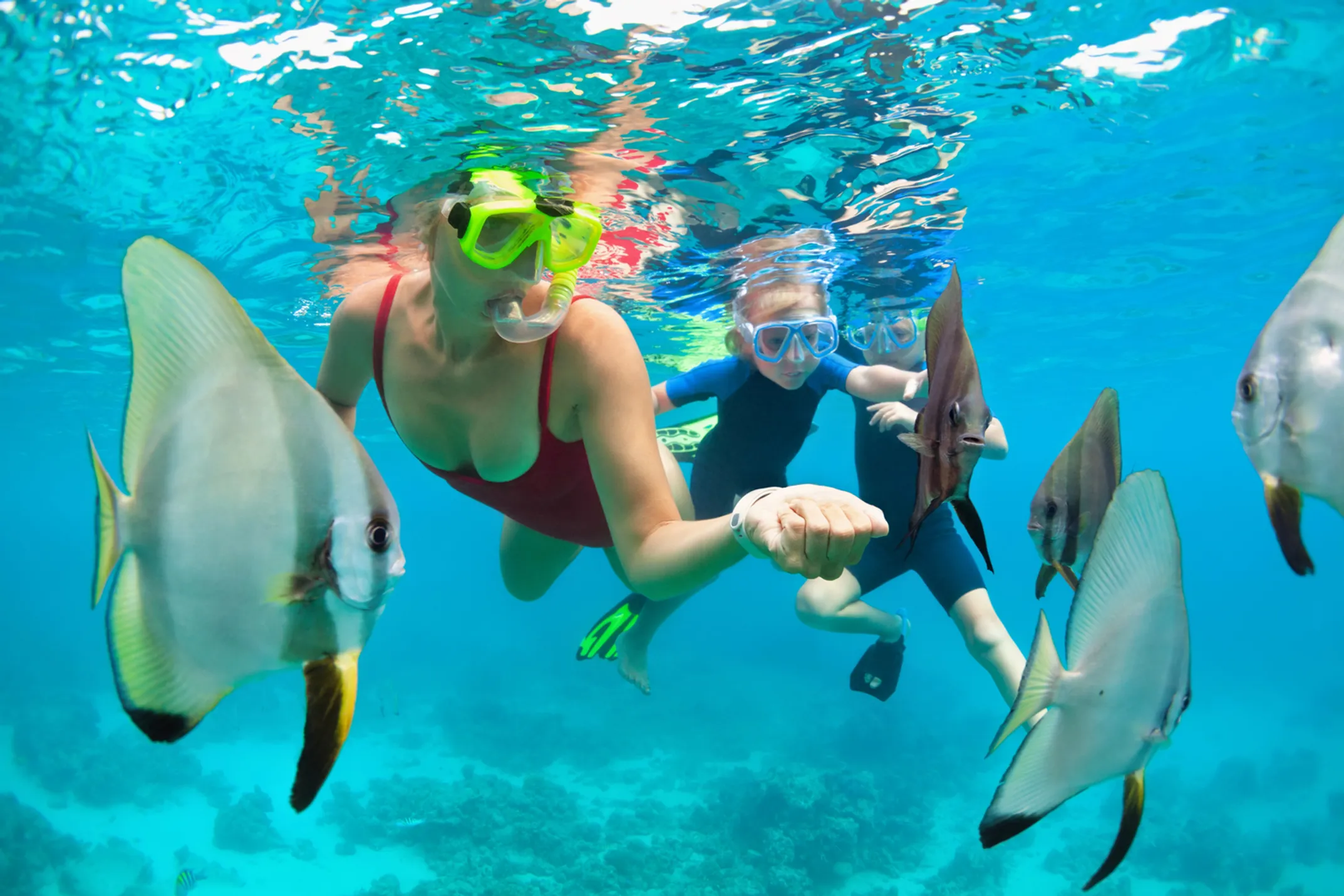
Equipment, timing, and everything you need for the perfect snorkeling adventure
Written by a Local Expert
Kalani MillerPlanning Your Complete Hawaii Itinerary
After experiencing the underwater wonders around Oahu, you might want to explore what the island offers on land. The spirit of adventure doesn't end at the water's edge.
Pearl Harbor and Punchbowl Cemetery
No visit to Oahu is complete without paying respects at Pearl Harbor and the National Memorial Cemetery of the Pacific. These sites shaped modern history and deserve more than a rushed, self-guided visit.
A guided tour transforms what could be a logistical nightmare into a profound, educational experience. Professional operators provide guaranteed tickets to the USS Arizona Memorial, handle all transportation, and offer expert historical context that brings the events of December 7, 1941, to life.
Coral Crater Adventure Park
For land-based thrills, Coral Crater Adventure Park provides high-flying fun close to Waikiki. Their guided adventure packages combine ziplining, ATV tours, and aerial obstacle courses into comprehensive experiences.
The park's commitment to safety shines through their professional approach. Modern automatic braking systems on ziplines, synchronized safety equipment on high ropes courses, and expert guides on ATV tours ensure you can push your limits within a secure environment.
📅 Best Time to Visit
Summer (May-Sep) for North Shore access. Winter (Oct-Apr) for calmer South Shore conditions. Year-round snorkeling available.
🎒 Essential Equipment
Quality mask, snorkel, fins provided by tours. Bring reef-safe sunscreen, towel, water, and underwater camera.
⏰ Daily Timing
Early morning offers best visibility and calmest conditions. Afternoon trade winds can create choppy surface water.
🌊 Ocean Conditions
Check surf reports and wind forecasts. Professional guides interpret conditions daily for optimal safety and visibility.
✅ Equipment Checklist
- Mask & Snorkel: Tour provided
- Fins: Tour provided
- Reef-Safe Sunscreen: Bring your own
- Towel: Bring your own
- Camera: Optional
🗓️ Seasonal Guide
- Summer: North Shore access
- Winter: South Shore best
- Year-round: Hanauma Bay
- Morning: Best visibility
- Calm days: Offshore tours
Seasonal Considerations and Equipment
Understanding Oahu's Seasons
Understanding Oahu's seasons dramatically improves your snorkeling success. Summer months (May through September) provide access to North Shore locations like Shark's Cove and Three Tables. Winter brings large swells that make these spots dangerous but often improve conditions on the South Shore.
Trade winds typically pick up in the afternoons, creating choppy surface conditions. Early morning snorkeling often provides the calmest conditions and best visibility at most locations.
Tidal timing affects some spots more than others. Low tides can expose sharp coral in shallow areas, while high tides might create stronger currents at certain locations. Local guides understand these patterns and time visits accordingly.
Equipment and Preparation
Quality equipment makes a significant difference in your snorkeling experience. Properly fitted masks prevent leaks, while comfortable fins reduce fatigue and leg cramps. Snorkels with purge valves help clear water more easily.
Tours provide professional-grade, sanitized equipment fitted specifically for each participant. This eliminates the guesswork of buying gear that might not work well and the hassle of cleaning and packing wet equipment.
For safety, consider bringing or renting flotation devices, especially for weaker swimmers. The saltwater provides natural buoyancy, but having extra flotation reduces anxiety and allows you to relax and enjoy the experience.
Weather and Ocean Conditions
Hawaiian waters stay warm year-round, typically ranging from 75-80°F, making wetsuits unnecessary for most visitors. However, spending extended time in the water can lead to cooling, especially on windy days.
Visibility varies with conditions, weather, and location. Recent rains can reduce nearshore visibility due to runoff, while offshore locations typically maintain better clarity. Morning conditions often provide the best visibility before afternoon trade winds stir up the surface.
Understanding surf reports and ocean conditions takes years of experience. Professional guides interpret these conditions daily and make informed decisions about where to go and when to avoid certain locations.
The difference between a good snorkeling experience and an extraordinary one often comes down to preparation, knowledge, and safety. Professional guidance ensures you're in the right place at the right time with the right equipment.
Ready for Expert Recommendations?
Get final tips and make your choice for the perfect Oahu snorkeling adventure.