Visitor Planning Guide
Cultural protocols, seasonal tips, and responsible tourism practices

Written by a Local Cultural Expert
Leilani AkoPlanning Your Complete Hawaii Itinerary
While these cultural and historic sites showcase the heart of Oahu's heritage, a complete Hawaiian experience includes exploring multiple islands. If your island-hopping takes you to other parts of the state, there are some experiences you absolutely shouldn't miss.
A tour of Pearl Harbor on Oahu and Punchbowl Crater is a must-do for any Hawaii visitor. Choosing a guided tour is the most efficient way to experience it. Experts handle the schedule, you get deeper insights, and you completely bypass the costs and complexities of parking. The historical significance of Pearl Harbor extends far beyond Oahu, representing a pivotal moment in American history that changed the course of World War II.
Coral Crater Adventure Park offers another great option on Oahu for those seeking modern thrills to balance the contemplative nature of historic sites. Located conveniently close to Waikiki, it provides high-energy activities like ziplining, ATV adventures, and aerial challenge courses.
Understanding Wahi Pana: Sacred Places and Responsible Tourism
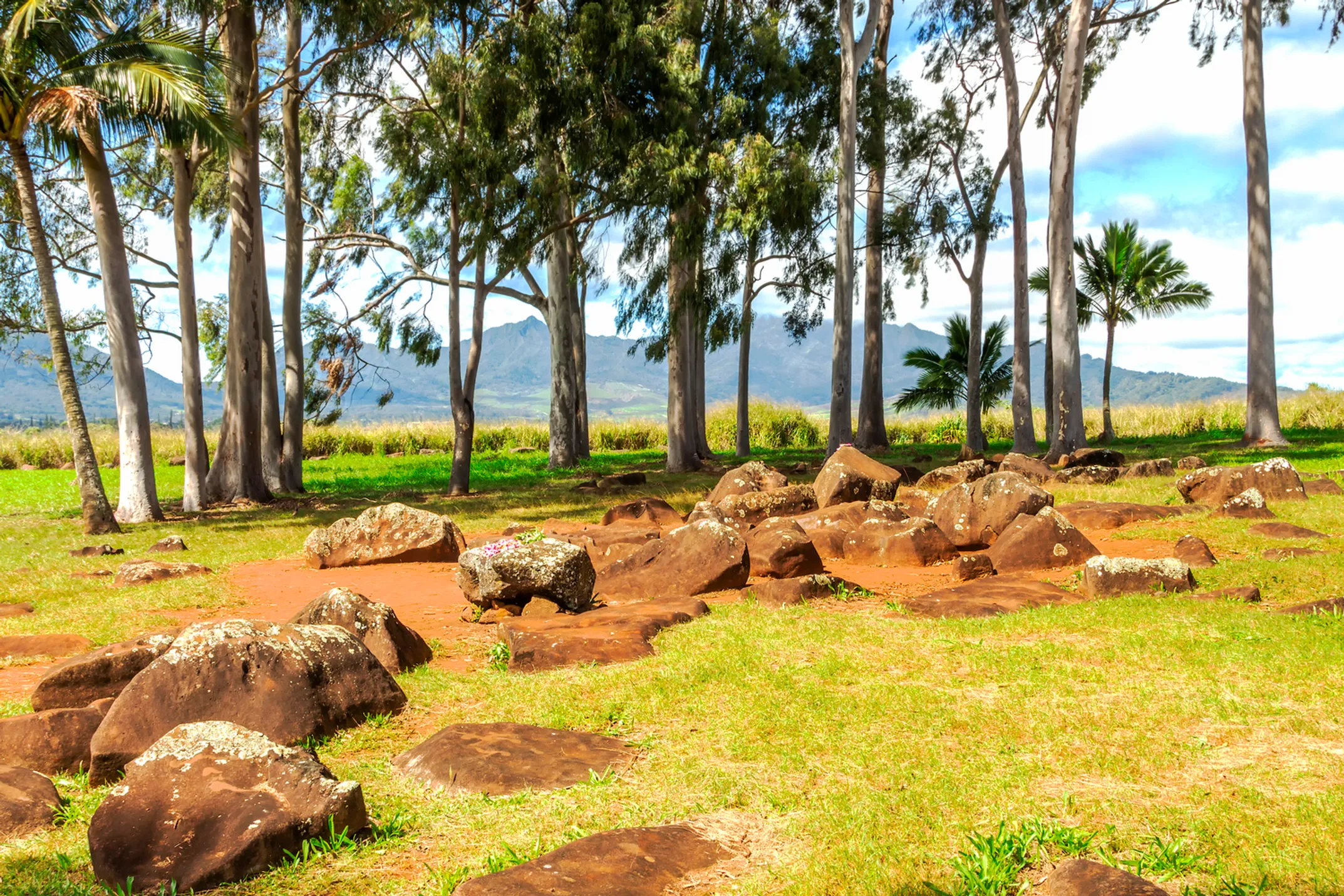
Before visiting any of these sites, it's important to understand the concept of wahi pana—storied, sacred places that hold deep cultural significance. These locations are not just tourist destinations. They are living repositories of Hawaiian culture, history, and spiritual power.
The principle of mālama 'āina, caring for the land, should guide every visitor's approach to these sacred sites. This means walking softly, speaking quietly, and treating these places with the same respect you would show in any house of worship. It means not taking anything—not rocks, not sand, not plants, and not leaving anything behind except footprints.
Many of these sites have protocols and kapu (sacred laws) that visitors should observe. At heiau, never climb on stone structures or move rocks. At Pearl Harbor, maintain appropriate solemnity. At royal sites like 'Iolani Palace, remember that you are walking through someone's home, a place where real people lived, loved, and suffered.
Hawaiian culture emphasizes the interconnectedness of all things, people, land, ocean, and sky. When you visit these sites with this understanding, you become part of the story rather than just an observer. You help ensure that these places and their stories continue to live for future generations.
The Living Culture of Modern Oahu
What makes Oahu's historic and cultural sites special is that they are not frozen in time. Hawaiian culture is not a relic of the past but a living, breathing part of modern life. At Waimea Valley, you might encounter children learning traditional hula alongside their kūpuna (elders). At 'Iolani Palace, you might witness a sovereignty rally or a cultural ceremony. These sites continue to play active roles in the lives of Hawaiian people today.
This living aspect of Hawaiian culture extends beyond the formal sites. You'll see it in the local musicians who play at farmers markets, in the families who continue to practice traditional fishing techniques, in the Hawaiian language immersion schools where children learn in their ancestral tongue, and in the way local people interact with the land and ocean.
Understanding this helps visitors appreciate that they are not just viewing historical artifacts but experiencing a culture that continues to grow and adapt while maintaining its core values and traditions. The sites in this guide are windows into that ongoing story.
Seasonal Considerations and Practical Tips
Oahu's cultural and historic sites can be visited year-round, but there are seasonal considerations that can enhance your experience. The summer months (April through October) tend to be drier and warmer, making outdoor sites like Diamond Head and Waimea Valley more comfortable for hiking. However, these months also bring larger crowds.
Winter months (November through March) can bring more rain, particularly to windward (north and east) areas of the island where sites like Waimea Valley and the Byodo-In Temple are located. However, winter also brings fewer crowds and can offer more intimate experiences at popular sites.
Some sites have specific seasonal programs. The Polynesian Cultural Center often features special cultural festivals and events tied to traditional Pacific island calendars. Waimea Valley's botanical displays change throughout the year, with different plants blooming in different seasons.
For photography enthusiasts, the golden hours just after sunrise and before sunset provide the most dramatic lighting at outdoor sites like Diamond Head and the King Kamehameha statue. Many sites open early or stay open late specifically to accommodate visitors who want to experience them in optimal lighting conditions.
Leilani's Weather Wisdom:
Weather patterns can vary significantly across the island. While it might be raining in Waimea Valley on the North Shore, it could be perfectly sunny at Diamond Head in the south. Having flexible plans and backup indoor options like 'Iolani Palace or the Queen Emma Summer Palace can help ensure you make the most of your cultural exploration regardless of weather conditions.
ℹ️ Planning Overview
- Ideal Duration: 3-5 days
- Best Season: Year-round
- Transportation: Car recommended
- Budget Range: $100-300/day
- Advance Booking: Pearl Harbor required
🙏 Cultural Etiquette
- Remove shoes at temples
- No flash photography indoors
- Speak softly at sacred sites
- Don't climb on ancient stones
- Ask before photographing people
🗺️ Explore All Sites
🎒 What to Bring
- Comfortable walking shoes
- Water bottle & snacks
- Sunscreen & hat
- Modest covering for temples
- Phone camera (no flash)
The Importance of Cultural Sensitivity
Visiting Hawaiian cultural sites comes with responsibilities. These are not theme parks or entertainment venues but sacred places that hold deep meaning for Hawaiian people. Approaching them with cultural sensitivity enhances not only your own experience but helps preserve these sites for future generations.
Photography etiquette is particularly important. While photos are generally allowed at most sites, be mindful of signs and guidelines. Flash photography can damage delicate artifacts and fabrics in places like 'Iolani Palace. At heiau and other sacred sites, some areas may be off-limits to photography entirely.
Appropriate dress is expected at formal sites like 'Iolani Palace and the Polynesian Cultural Center. This generally means covered shoulders and knees, and closed-toe shoes for safety on uneven terrain at outdoor sites.
The concept of ho'oponopono, making things right, applies to visitor behavior. If you make a mistake or inadvertently show disrespect, acknowledge it and make an effort to correct your behavior. Hawaiian culture values humility and the willingness to learn and grow.
Learning a few basic Hawaiian words and their proper pronunciation shows respect for the culture. Words like aloha (hello, goodbye, love), mahalo (thank you), and keiki (children) are commonly used and appreciated when visitors use them appropriately.
Economic Impact and Supporting Local Communities
Your visits to these cultural sites directly support the preservation of Hawaiian culture and the local economy. Many of these sites are operated by nonprofit organizations, Native Hawaiian groups, or state agencies that rely on admission fees and donations to maintain facilities and fund educational programs.
The Polynesian Cultural Center, for example, provides scholarships and employment for students at BYU-Hawaii, many of whom are from Pacific island nations. The 'Iolani Palace restoration project has been ongoing for decades and depends on visitor support to continue preserving this irreplaceable historic building.
When possible, support sites by purchasing items from their gift shops, which often feature authentic Hawaiian crafts and locally-made products. These purchases help fund ongoing preservation efforts and support local artisans who create traditional crafts using ancestral techniques.
Visiting With Aloha
Our journey through Oahu's cultural and historic sites brings us back to its present. The story of this island is not a collection of disconnected events, but a continuous narrative woven through time. When you understand the strength and sophistication of the Hawaiian Kingdom at 'Iolani Palace, you can better appreciate the resilience of the culture that lives on today. When you feel the ancient mana of Pūowaina, it adds another layer of meaning to the modern sacrifices commemorated within Punchbowl Crater.
The story of Oahu is written in its lava rock, its royal palaces, and in the hearts of its people. By visiting these places with hōʻihi and a spirit of mālama, you are no longer just a visitor. You become part of that story. You help us preserve it for the generations to come.
Mahalo for listening, and for visiting our home with aloha. May your journey through Oahu's cultural and historic sites enrich your understanding of this sacred land and inspire you to be a thoughtful steward of the places that shape our shared human heritage.