Sacred Places & Ancient Sites
Connect with the ancient mana of Oahu's most spiritual locations

Written by a Local Cultural Expert
Leilani Ako6. Waimea Valley: A Living Ahupuaʻa
On the North Shore of Oahu lies a place of incredible beauty and cultural importance: Waimea Valley. This is more than just a botanical garden. It is one of the last intact ahupuaʻa on the island, a traditional, self-sustaining land division that runs from the mountains to the sea. Today, this sacred valley is stewarded by Hi'ipaka LLC, a nonprofit organization created by the Office of Hawaiian Affairs, ensuring its preservation for generations to come.
A visit here is a gentle walk through a living museum. A paved path, about 3/4 of a mile long, winds through 52 themed botanical gardens that are home to over 5,000 species of plants from around the world, including many rare and endangered native Hawaiian plants. The walk culminates at the beautiful 45-foot Waimea Falls, where you can swim in the cool waters (lifeguards are on duty).
But the true magic of Waimea is in its cultural heart. Along the path, you will encounter numerous cultural sites, including a recreated ancient Hawaiian living site (Kauhale) and the Hale o Lono Heiau, an agricultural temple believed to have been built around 1470 AD. You can often "talk story" with resident cultural practitioners and artisans who share traditional crafts and knowledge with visitors. The valley is a hub of living culture, with active community volunteer days, educational programs, and conservation efforts to restore native forests. This is not a static display of the past. It is a vibrant, breathing cultural resource.
Leilani's Local's Tip:
Check their website for the hula performance schedule. Seeing an authentic hālau (hula school) perform in this sacred valley is a profoundly beautiful experience. It's not a show for tourists. It's a genuine cultural practice shared in a place where it belongs.
7. Ulupō Heiau: Ancient Power in Kailua
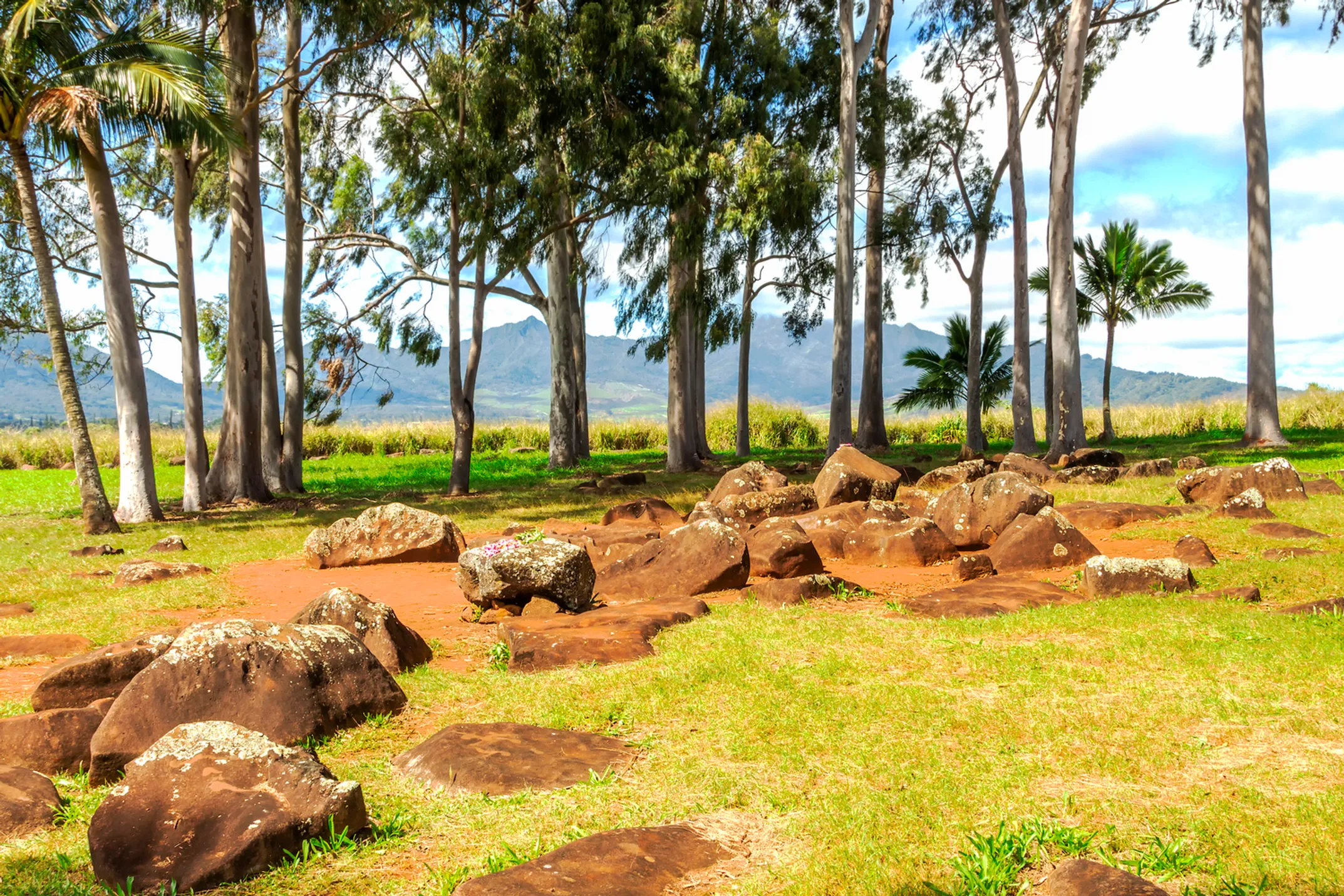
While Waimea Valley offers a curated experience, Ulupō Heiau provides a more raw connection to the past. Located in Kailua, this massive temple has stone walls that rise up to 30 feet high. It is believed to have started as a māpele heiau for agriculture before being converted into a powerful luakini for war rituals by Oʻahu chiefs.
What makes Ulupō special today is its connection to the local community. Groups of volunteers actively work to restore the surrounding land, cultivating traditional crops like kalo (taro) and reviving ancient land-based practices, continuing the heiau's legacy of abundance and reconnecting the people to the ʻāina (land).
These ancient sites are not ruins. They are wahi pana, storied places that are still considered sacred. A heiau was a place of worship, a physical point of connection where the mana (divine energy) of the land was concentrated, strengthening the relationship between the people, the akua (gods), and the environment. There were many types of heiau, each with a specific purpose: heiau hoʻōla for healing, heiau māpele for agriculture and fertility, and the great heiau luakini, or war temples, where human sacrifices were sometimes made.
When you visit these places, you have a kuleana (responsibility) to practice mālama (to care for). This is the visitor's duty. Please approach with humility and silence, allowing yourself to feel the spirit of the place. Never climb on, move, or take any rocks. While you may see offerings, please do not leave your own. Items like coins, incense, or crystals can damage the ancient stones, and the modern practice of wrapping a rock in a ti leaf is not a traditional offering. The greatest offering you can give is your quiet, undivided respect.
8. Diamond Head State Monument: Sacred Crater With Sweeping Views
Known to Native Hawaiians as Lēʻahi, Diamond Head is one of Oahu's most recognizable landmarks. This volcanic crater, formed about 300,000 years ago, rises 760 feet above sea level and offers one of the most spectacular views on the island. The name "Diamond Head" came from 19th-century British sailors who mistook calcite crystals on the crater for diamonds.
The hike to the summit is a moderately challenging trek that takes about 45 minutes to an hour. The trail winds through the interior of the crater, passing through tunnels and up steep staircases built during World War I when the U.S. Army used Diamond Head as a strategic military lookout. The payoff at the top is breathtaking, 360-degree views of Honolulu, Waikiki, and the vast Pacific Ocean.
But Diamond Head is more than just a scenic hike. To ancient Hawaiians, Lēʻahi was a sacred place. The crater's name means "brow of the yellowfin tuna," named for its resemblance to the dorsal fin of the fish. Legend says that Pele, the volcano goddess, had a younger sister named Hi'iaka who named the crater for its shape.
The U.S. Army established Fort Ruger here in 1906, and remnants of the military installation remain today. You can still see bunkers, tunnels, and the old fire control station at the summit. During World War II, the crater served as a command post for the defense of Oahu.
Leilani's Local's Tip:
Bring water and wear good shoes. The trail can be steep and rocky in places. If you want to avoid crowds and catch a beautiful sunrise, get there right when the park opens. The early morning light over Waikiki and Honolulu is magical.
Continue Your Sacred Journey
From royal palaces to cultural centers, explore the complete tapestry of Oahu's heritage and traditions.
ℹ️ Sacred Sites Info
- Waimea Valley: $25 adults
- Ulupō Heiau: Free access
- Diamond Head: $5 entry + parking
- Time Needed: Full day
- Difficulty: Easy to moderate
🙏 Sacred Site Protocols
- Never climb on heiau stones
- Approach with quiet respect
- Don't leave modern offerings
- Practice mālama (caring)
- Feel the spiritual mana