Top 10 Cultural And Historic Sites To Visit On Oahu
Walk through time and discover the soul of Hawaii with a local kamaʻāina
Written by a Local Cultural Expert
Leilani AkoA Journey Through Oahu's Sacred Heart
Aloha mai kākou,
My name is Leilani Ako, and I am kamaʻāina, born and raised here on the island of Oahu. To many, this island is a paradise of sun-drenched beaches and turquoise waves. And it is. But to those of us who call it home, it is something much deeper. It is a land of profound history, a place that has witnessed the grandeur of royalty, the pain of a stolen kingdom, the shock of a world at war, and the enduring strength of a culture that refuses to be forgotten.
Every grain of sand on Oahu has a story. I grew up with these stories. They are in the wind that rustles the palms at Hānaiakamalama and in the solemn silence that hangs over the waters of Pearl Harbor. This article is my invitation to you, our visitor, to step beyond the postcard surface and listen to the island's heart. To visit these places is to be a guest in our history. It requires a certain spirit, a value we call hōʻihi, a deep and abiding respect.
This journey we will take together is one through time. We will walk through the halls of our last monarchs, stand at the site that plunged a nation into war, and feel the ancient mana, or spiritual power, of the valleys and temples that have stood for centuries. This is not just a list of things to see. It is a chance to understand the soul of Oahu. Please, walk with aloha.
1. ʻIolani Palace: The Spiritual Epicenter of a Nation
Every time I walk the grounds of ʻIolani Palace, I feel the immense weight of our history. This is not just a building. It is the spiritual and physical epicenter of Hawaiian national identity. Completed in 1882 by our last king, David Kalākaua, it was the official residence of the kingdom's last two monarchs, a symbol of a modern, sovereign Hawaiʻi.
Many visitors are surprised to learn that this palace was a marvel of innovation. King Kalākaua, known as the "Merrie Monarch," was a world traveler who envisioned a palace that could stand alongside the great royal courts of Europe and Asia. Long before the White House, ʻIolani Palace was outfitted with electric lights, a modern telephone system, and indoor plumbing with flush toilets. It was a deliberate and powerful statement of global competence. The palace hosted grand balls, diplomatic receptions for dignitaries from around the globe, and was a center for the revitalization of Hawaiian culture, including the public performance of hula. This was not a primitive outpost. It was the heart of a sophisticated and independent nation making its mark on the world.
Yet, for all its beauty and celebration, the palace holds a deep and painful memory for our people. It was here, in 1893, that a group of American and European businessmen, with the support of the U.S. military, overthrew the Hawaiian monarchy. Our last reigning monarch, Queen Liliʻuokalani, was arrested and imprisoned in an upstairs bedroom of her own palace for nearly eight months. The palace, once a symbol of our promise, became the site of our nation's greatest sorrow.
Leilani's Local's Tip:
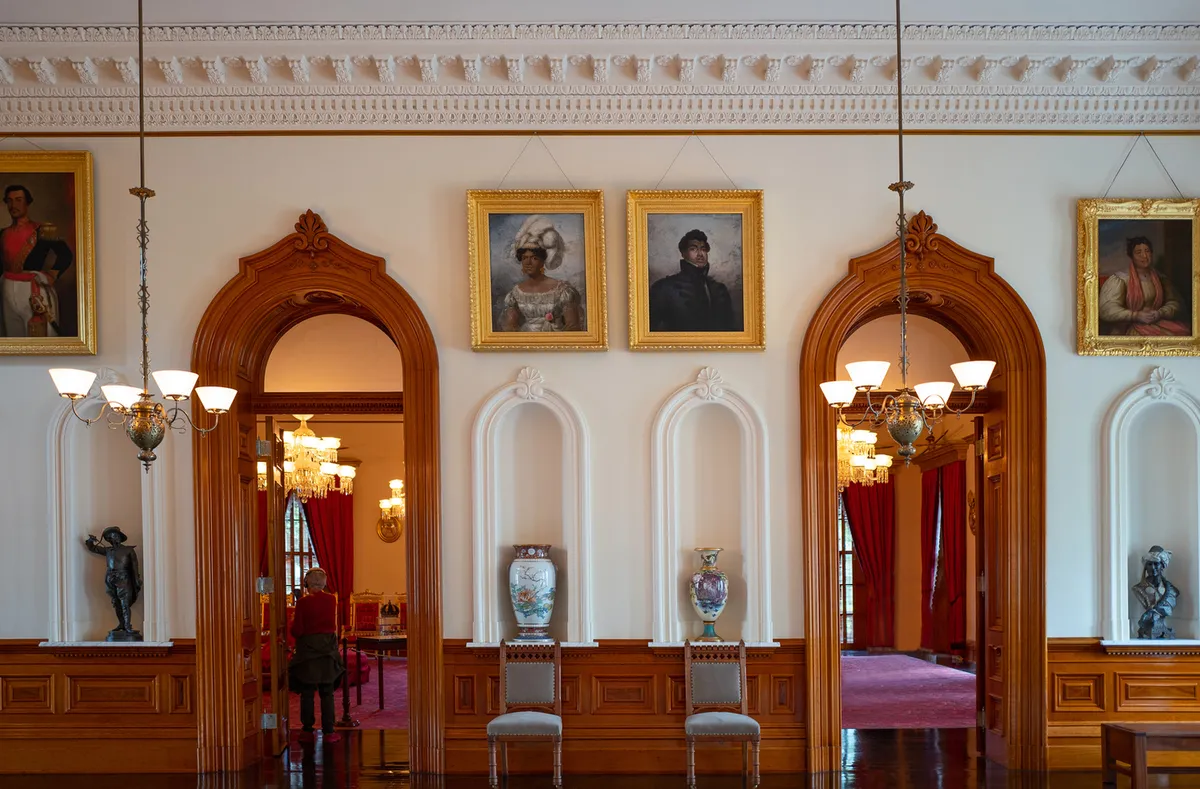
When you stand in the Throne Room, notice the portraits of our aliʻi. Look into their eyes. Don't just see them as historical figures. Try to feel their presence. This room has witnessed grand balls and the formal abdication of our Queen. The mana is palpable. Please, no photos with flash—it damages the delicate fabrics and, more importantly, it feels disrespectful in such a sacred space.
2. Pearl Harbor Historic Sites: Where History Changed Forever
There are some places on this earth that command a different kind of attention. They are not attractions to be consumed, but sacred grounds to be experienced with humility and reflection. Here on Oahu, Pearl Harbor tells a profound story of sacrifice and remembrance.
As a child growing up on Oahu, Pearl Harbor wasn't just a chapter in a history book. It was a scar on our landscape, a constant reminder of a morning that changed the world. Visiting these grounds is a kuleana, a responsibility, to remember the lives lost and the peace that was shattered. We ask that you walk here not as a tourist, but as a witness.
Your visit begins at the Pearl Harbor Visitor Center, the central hub for the various memorials. Here, you'll find museums with exhibits that set the stage for the events of that fateful day. A powerful documentary is shown in the memorial theater before you board the boat for the USS Arizona Memorial.
The USS Arizona Memorial is the most solemn and well-known landmark at Pearl Harbor. The beautiful white structure straddles the sunken hull of the battleship, the final resting place for 1,177 sailors and Marines who were killed in the attack and remain entombed within. A U.S. Navy-operated boat takes you to the memorial, where you can stand in quiet contemplation and pay your respects.
Ready to Explore Oahu's Cultural Heritage?
From royal palaces to sacred valleys, discover the complete story of Oahu's cultural and historic treasures across multiple immersive experiences.
ℹ️ Visit Overview
- Total Sites: 10 locations
- Time Needed: 3-5 days
- Best Transport: Car or tour
- Entry Fees: $3-$30
- Photography: Restrictions apply
🌺 Cultural Guidelines
- Practice hōʻihi (deep respect)
- Speak quietly at sacred sites
- Never climb on heiau stones
- Follow photography rules
- Dress respectfully
🗺️ Explore by Category
3. National Memorial Cemetery of the Pacific (Punchbowl Crater): The Arlington of the Pacific
High above Honolulu, nestled in the crater of an extinct volcano, lies another of Oahu's most sacred sites: the National Memorial Cemetery of the Pacific, known to locals as Punchbowl. This place has a unique, layered sanctity. Its Hawaiian name is Pūowaina, which translates to "Hill of Sacrifice". Long before it became a military cemetery, this was a wahi pana (a storied, sacred place) for ancient Hawaiians, a site where human sacrifices were offered to the gods and where those who broke kapu (sacred laws) were executed.
Today, it holds a different, but equally profound, story of sacrifice. Established in 1949, it is the final resting place for nearly 53,000 veterans and their eligible family members who served in the U.S. Armed Forces. It is often called the Arlington of the Pacific.
The centerpiece of the cemetery is the Honolulu Memorial. A grand staircase leads up to the Courts of the Missing, where the names of nearly 29,000 American heroes from World War II, the Korean War, and the Vietnam War who are missing in action or were buried at sea are engraved into towering marble tablets. At the top stands a 30-foot statue of Lady Columbia, representing a grieving mother.
Leilani's Local's Tip:
The panoramic view of Honolulu from the crater rim is breathtaking, but please remember where you are. This is not just a scenic lookout. It's a place where thousands of stories have come to an end. The quietest tribute you can pay is a moment of silent reflection, honoring both the ancient mana of Pūowaina and the modern sacrifices it commemorates.
A visit here is a deeply moving experience. It is an active cemetery, and the utmost respect is required. Due to these regulations, commercial tour vehicles are not permitted to stop and let passengers out. Most tours include a slow, narrated drive-through of the grounds. This allows you to see the sweeping rows of flat granite markers and the impressive memorial while a guide explains the history and significance of this hallowed ground.