Understanding Whale Behavior
Behavior guide, conservation efforts, and booking tips for your whale watching adventure

Written by a Local Expert
Jade KawanuiUnderstanding Whale Behavior
Learning to recognize whale behaviors enriches your viewing experience. Each surface display communicates something different in the complex social world of humpback whales. Understanding these behaviors helps you appreciate the intelligence and emotional depth of these magnificent creatures.
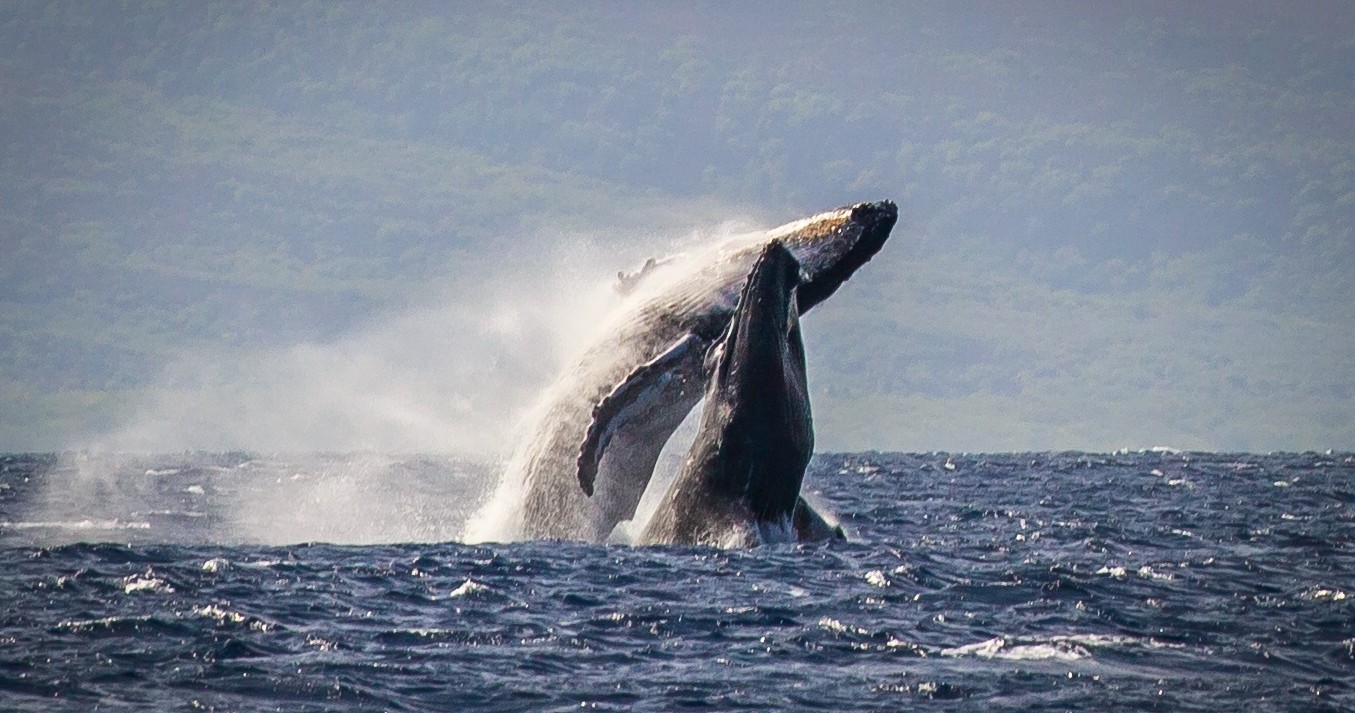
Breach
The spectacular sight everyone hopes for. Whales use powerful tail strokes to propel up to 90% of their 40-ton body from the water, often twisting before crashing down. Scientists believe this serves multiple purposes including long-distance communication, parasite removal, and possibly pure playfulness.
Tail Slap (Lobtailing)
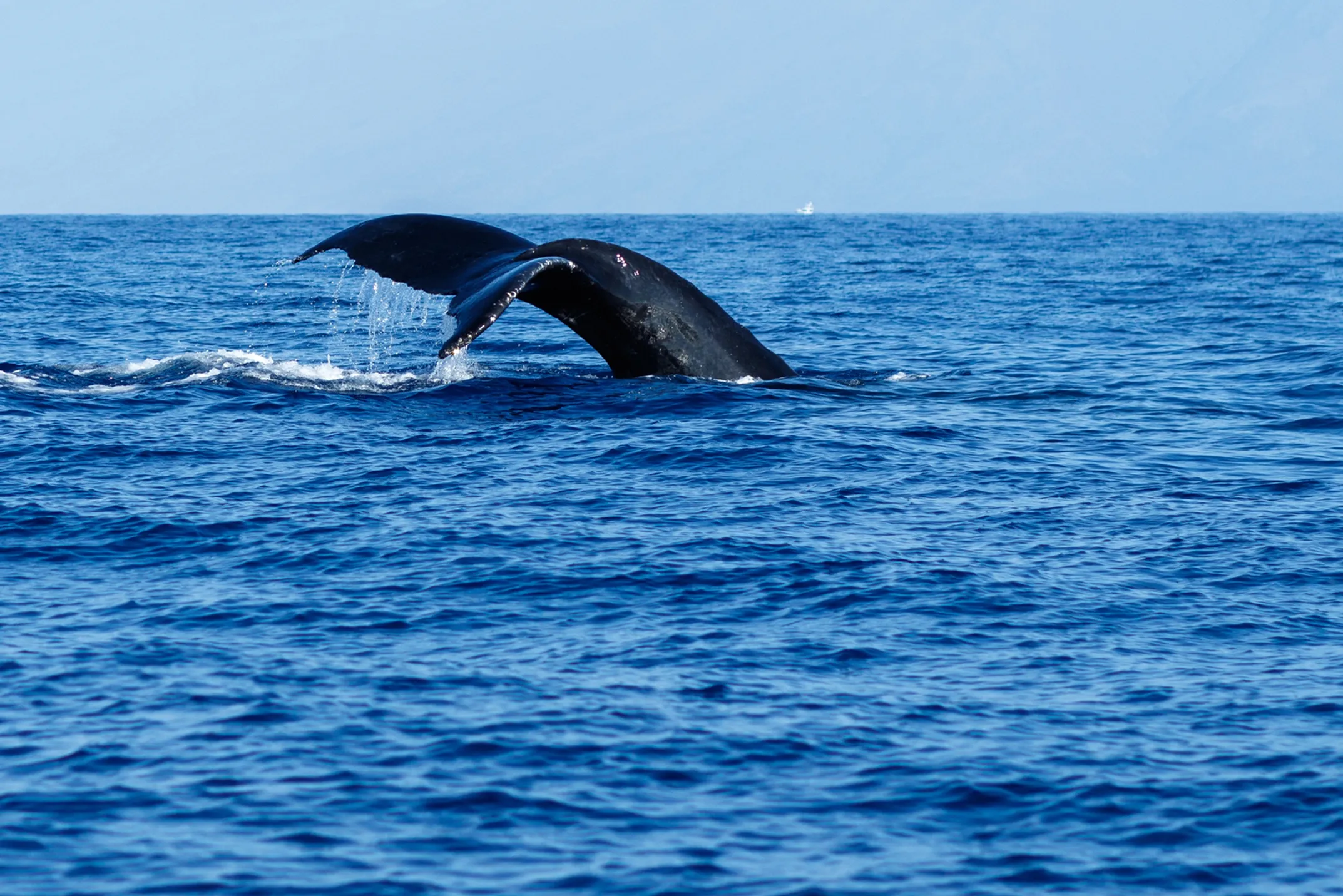
Whales lift their massive tail flukes and slap them forcefully on the surface, creating thunderous sounds audible for miles. This often signals agitation or serves as a warning to other whales, particularly among competing males.
Pec Slap
Humpbacks have the longest pectoral fins in the whale kingdom, reaching 16 feet. They roll sideways and slap these fins on the water in what appears to be a friendly "wave." It's a powerful form of non-vocal communication.
Spy Hop
Perhaps the most endearing behavior. Whales orient vertically and poke their heads above water to observe their surroundings. If you're on a boat, there's a good chance they're looking directly at you with curiosity.
Planning Your Complete Hawaii Itinerary
While Maui's whales steal the show during winter months, your Hawaiian adventure extends beyond these gentle giants. If your island-hopping includes Oahu, several experiences benefit greatly from expert guidance.
A tour of Pearl Harbor on Oahu and Punchbowl crater is a must-do historical experience. Choosing a guided tour is the most efficient way to experience these sacred sites. Experts handle the complex logistics including transportation and often hard-to-get USS Arizona Memorial boat tickets. You completely bypass the costs and complications of parking while gaining deeper insights from knowledgeable guides. This frees you to focus on reflection and honor rather than navigation and schedules.
Coral Crater Adventure Park offers another great option on Oahu for land-based thrills. Their expert guides handle all safety equipment and instruction for ziplining, ATV tours, and adventure courses. Professional guidance ensures worry-free fun while you focus on the adrenaline rush.
Conservation and Respectful Viewing
Hawaiian culture deeply respects koholā as sacred animals, sometimes considered family guardians or aumakua. This respect extends to modern conservation efforts protecting these magnificent creatures for future generations.
Federal law prohibits approaching humpback whales within 100 yards by any means including boats, kayaks, paddleboards, or swimming. Observation time should be limited to 30 minutes per encounter. Sudden movements and loud noises can disturb whales and should be avoided.
Reputable tour operators strictly follow these guidelines and contribute to ongoing research efforts. Many naturalists record whale sightings and behaviors for scientific study. Your tour participation supports both local economy and conservation research. The Hawaiian Islands Humpback Whale National Marine Sanctuary protects these vital breeding and nursing grounds. This federal designation recognizes the critical importance of Maui's waters to North Pacific humpback whale survival.
Booking Tips and Recommendations
Popular whale watching tours sell out quickly during peak season, especially February and March. Book at least a week in advance, or earlier for specialty tours like sunset cruises or small raft adventures.
Booking Process
- • Most operators offer online booking
- • Phone reservations allow questions
- • 24-48 hour cancellation policies
- • Instant confirmation available
What's Included
- • Compare tour inclusions carefully
- • Some provide snacks and beverages
- • Snorkel gear on combination tours
- • Gratuities typically not included
Check-in procedures vary by operator but generally require arriving 30 minutes early. Bring photo identification and confirmation numbers. Some harbors charge parking fees payable via smartphone apps, so arrive with extra time for payment processing. Weather cancellations do occur, particularly during rare winter storms. Operators typically offer full refunds or rebooking for weather cancellations. Seas must be unsafe for tours to cancel, as whales are present regardless of minor weather conditions.
Frequently Asked Questions
When is the absolute peak of whale season?
Mid-January through March offers the highest whale concentrations, with February typically considered peak viewing time.
Is morning or afternoon better?
Morning tours usually offer calmer seas and better photography lighting. Early departures provide the most peaceful experience with minimal crowds.
What should I bring?
Layer clothing for changing conditions, reef-safe sunscreen, polarized sunglasses, secure hat, camera with wrist strap, and motion sickness remedies if needed.
Are whale sightings guaranteed?
Yes, during season (December-April) virtually all reputable operators guarantee whale sightings or offer free rebooking on the next available tour.
Are tours safe for children?
Large catamarans accommodate families of all ages with safety railings, restrooms, and shaded areas. Small raft tours have strict age restrictions, typically no children under 3-4 years old.
How close do boats get?
Federal law requires 100-yard minimum distance, but curious whales sometimes approach boats on their own, creating safe and legal close encounters called "muggings."
What if weather is poor?
Tours operate in most conditions as whales don't disappear during light rain or wind. Only severe weather unsafe for passengers causes cancellations with full refunds or rebooking options.
An Unforgettable Maui Memory
From that first distant spout on the horizon to the thunderous splash of a full breach that stops your heart, witnessing 40-ton humpback whales in their natural sanctuary creates memories lasting a lifetime. It's a humbling reminder of our planet's wild beauty and our responsibility to protect it.
Whether you choose an intimate raft adventure, educational catamaran cruise, or peaceful shoreline vigil, connecting with koholā touches something deep in the human spirit. These gentle giants travel thousands of miles to reach Maui's protected waters, continuing an ancient cycle that predates human civilization.
The songs echoing through hydrophones, the curious spy hops, the explosive breaches that defy gravity—each moment reinforces why Maui remains the world's premier whale watching destination. Book your tour early, come with respect and wonder, and prepare for an encounter that will change how you see our ocean world.
Aloha, and enjoy this incredible gift that returns to our waters each winter.
The whales are waiting to share their story with you.
Start Your Whale Watching Journey
Now that you understand whale behavior and conservation, explore all 20 whale watching spots to find your perfect Maui experience.
🐋 Whale Behaviors
- Breach: Full body leap
- Tail Slap: Warning signal
- Pec Slap: Friendly wave
- Spy Hop: Curious observation
📖 Complete Guide
🌊 Conservation Rules
- 100-yard minimum distance
- 30-minute observation limit
- No sudden movements
- Respect marine sanctuary
❓ Quick FAQ
- Guaranteed sightings? Yes, in season
- Best viewing time? Morning tours
- Safe for kids? Large boats yes
- Cancel for weather? Rarely needed
Featured Maui Whale Watching Tours