Whale Watching Planning Guide
When to visit, what to bring, and how to prepare for your whale watching adventure

Written by a Local Expert
Jade KawanuiWhen to Visit for Best Whale Watching
The official humpback whale season runs from December through April, but timing your visit can dramatically improve your experience. Peak whale numbers typically occur from mid-January through March, with February often considered the absolute best month.
December arrivals are mainly pregnant females seeking calm birthing waters. January brings the males following mating opportunities. February and March see the highest activity levels as newborn calves grow stronger and males compete for mates. April witnesses the beginning of the northward migration back to Alaska.
December - Early Arrivals
- • Pregnant females arrive first
- • Calm birthing behaviors
- • Fewer whales overall
- • Great for first-time visitors
January - Building Activity
- • Males arrive seeking mates
- • Increasing whale numbers
- • More social interactions
- • Good photography conditions
February - Peak Season
- • Highest whale concentrations
- • Maximum activity levels
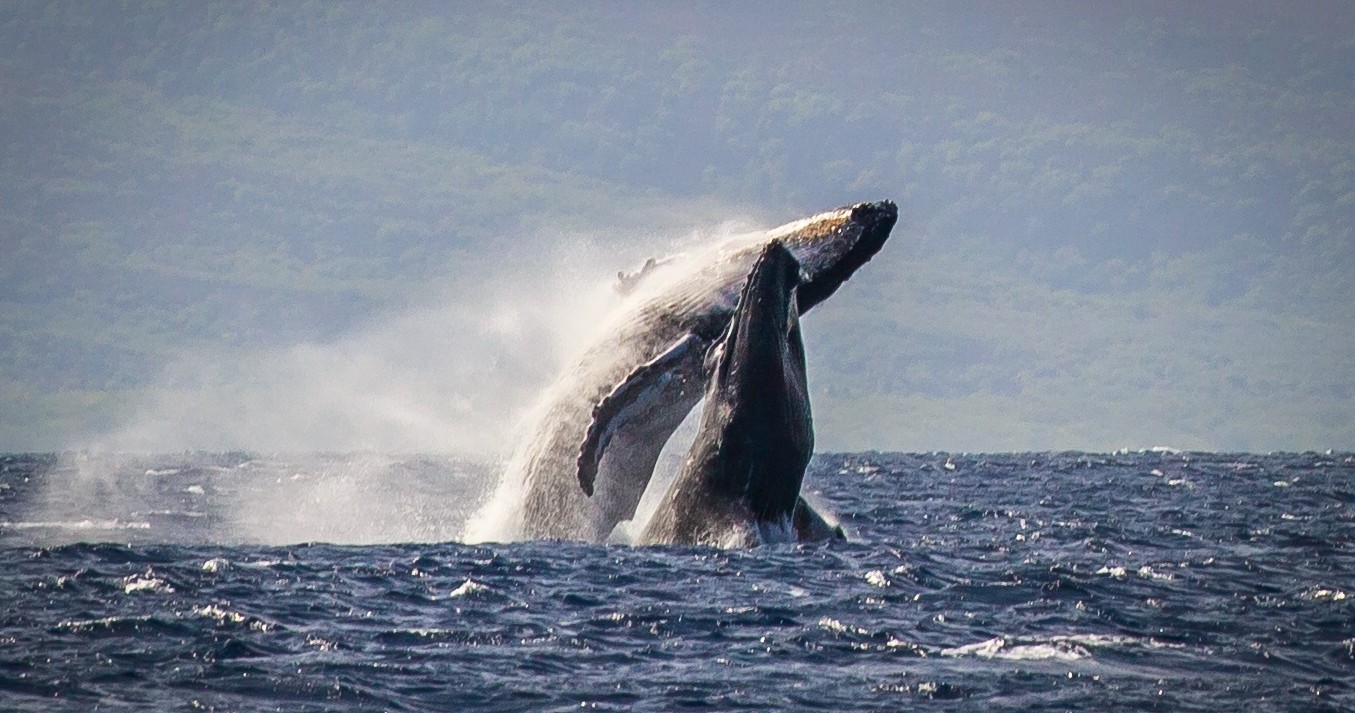
- • Breaching and tail slapping
- • Book tours well in advance
March - Continued Excellence
- • Strong whale numbers persist
- • Mothers with new calves
- • Competitive male behaviors
- • Excellent overall viewing
April - Migration Begins
- • Northward migration starts
- • Decreasing whale numbers
- • Mothers teaching calves
- • Still good viewing opportunities
Morning tours often provide the calmest sea conditions and best photography lighting. Sunrise departures offer the most peaceful experience with minimal wind. Afternoon tours can encounter choppier conditions but may offer more active whale behavior as the day progresses.
Preparing for Your Whale Watching Adventure
Proper preparation enhances your whale watching experience regardless of which tour you choose. Weather on the water differs significantly from land conditions, even on sunny days.
👕 Clothing Essentials
- • Dress in layers for changing conditions
- • Light jacket or windbreaker essential
- • Avoid loose hats that might blow away
- • Closed-toe shoes with good grip
- • Quick-dry materials preferred
- • Secure pockets for small items
☀️ Sun Protection
- • Reef-safe sunscreen (zinc oxide based)
- • Polarized sunglasses reduce glare
- • Help spot whale activity easier
- • Wide-brimmed hat with chin strap
- • Additional face and neck protection
- • UV protection increases on water
📷 Photography Equipment
- • Camera with secure wrist strap
- • Extra batteries drain quickly at sea
- • Multiple memory cards for whale activity
- • Waterproof case for small boats
- • Telephoto lens for distant whales
- • Test equipment before boarding
Motion Sickness Prevention
Even experienced sailors can feel queasy on whale watching tours. Ocean conditions vary, and preventive measures ensure you enjoy every moment of your adventure.
Medication Options
- • Take medication before departure
- • Dramamine or Bonine most common
- • Natural ginger tablets effective
- • Sea-bands use acupressure
Tour Selection
- • Morning tours offer calmer seas
- • Larger catamarans more stable
- • Avoid small rafts if prone to sickness
- • Choose protected departure locations
What to Expect on Your Tour
Tours typically last 2-4 hours depending on the operator. Departure times vary but morning tours often start early. Arrive 30 minutes before scheduled departure for check-in. Parking fees may apply at harbors, usually managed through QR code systems.
Tour Timeline Example
Ready to Plan Your Perfect Whale Watching Adventure?
With proper planning and preparation, your Maui whale watching experience will create memories that last a lifetime.
📅 Best Times
- Peak Month: February
- Peak Season: Jan-March
- Best Time: Early morning
- Calmest Seas: Sunrise tours
📖 Complete Guide
✅ Packing Checklist
- Reef-safe sunscreen
- Polarized sunglasses
- Light jacket
- Camera with strap
- Motion sickness meds
- Closed-toe shoes
- Hat with chin strap
Featured Maui Whale Watching Tours