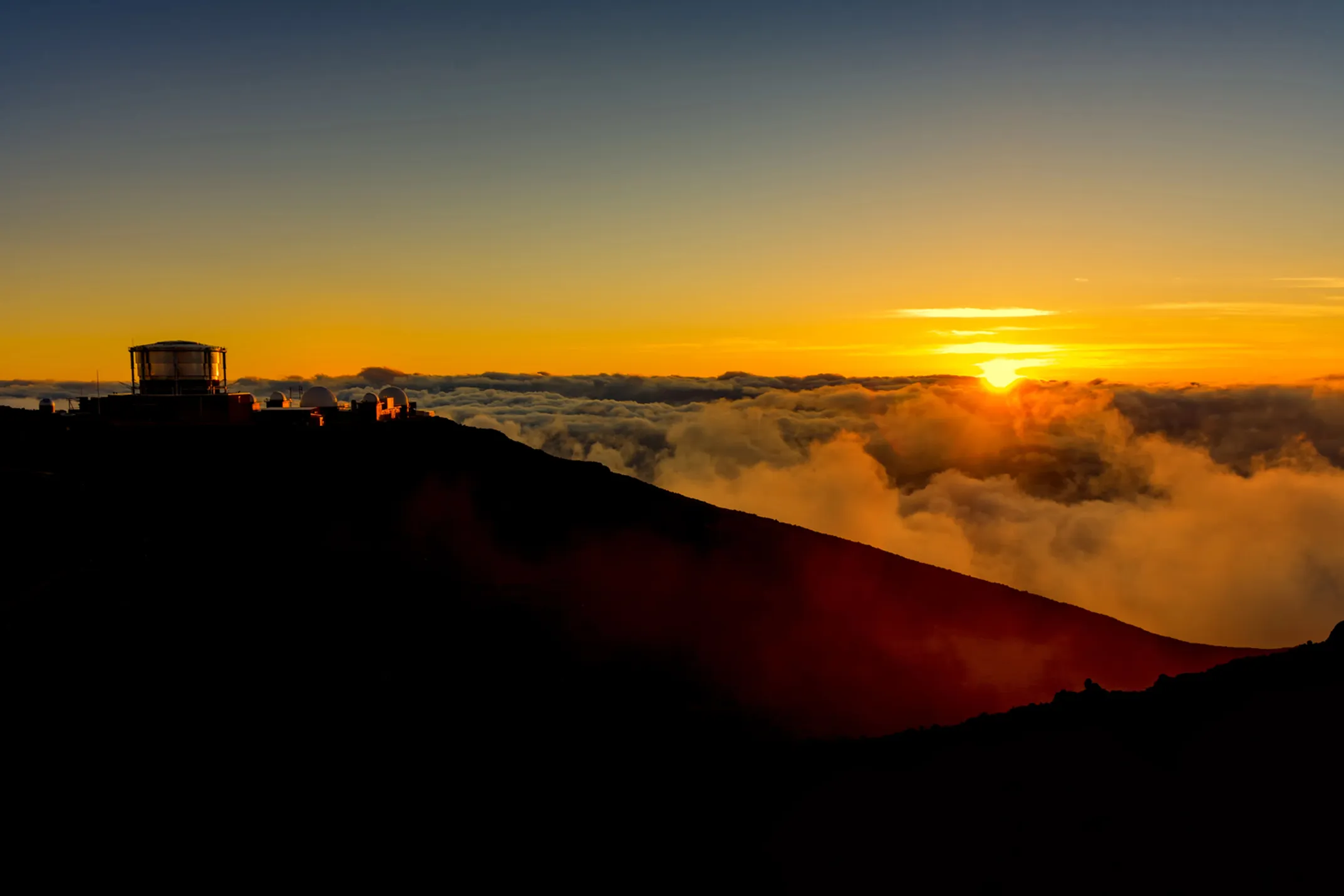
Sacred Environment & Cultural Respect
Honoring Wao Akua - The Realm of the Gods
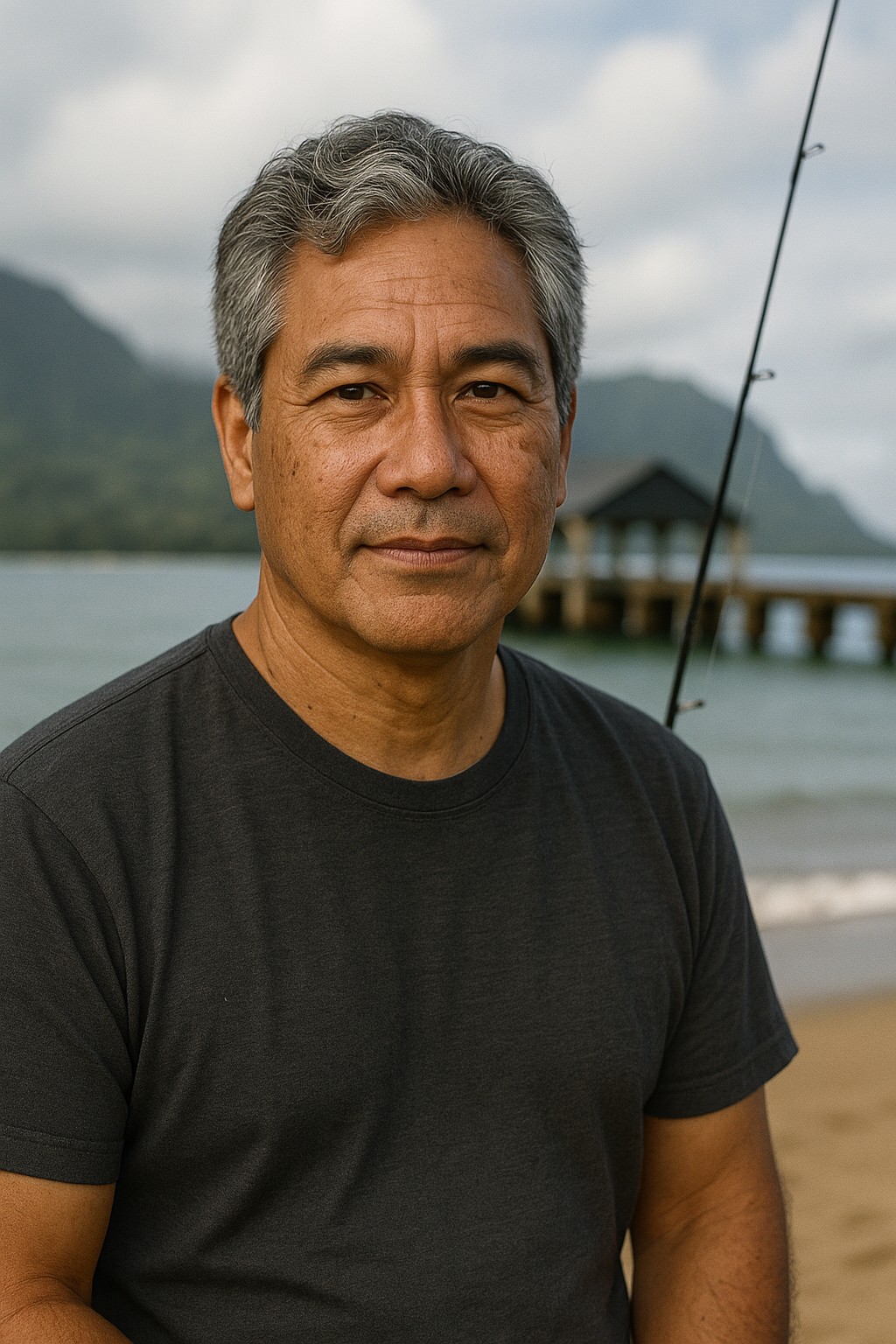
Written by a Local Expert
Kalani Miller7. Respect the Sacred and Fragile Environment
Haleakalā is more than a volcano; it is Wao Akua, the "realm of the gods." This is a place where ancient kahuna (priests) conducted sacred ceremonies, where astronomers studied the stars to navigate the vast Pacific, and where generations of Hawaiians came to connect with the immense mana, or spiritual power, of the land.
When you visit, you are a guest in this sacred place. I ask that you walk with respect and reverence. Please stay on the marked trails. The ecosystem here is incredibly fragile, home to endangered species like the ʻāhinahina (Silversword plant) and the Nēnē that exist nowhere else on Earth. The slightest disturbance can cause damage that lasts for decades.
🌺 Mālama ʻĀina - Caring for the Land
This is our most important cultural value. By practicing mālama ʻāina, caring for the land, you help protect this extraordinary place. You ensure that for generations to come, others can stand on this summit in the profound silence, watch the sun rise from its house, and feel the same magic that has inspired our people for centuries.
The Sacred Story of Haleakalā
The name Haleakalā means "House of the Sun," born from the legend of the demigod Maui, who climbed this very summit to lasso the sun and slow its journey across the sky, giving his mother more daylight to dry her kapa cloth. This story teaches us about the connection between all living things and the responsibility we have to care for our environment.
For Native Hawaiians, this mountain is not just a geographical feature—it's a living ancestor, a source of spiritual power, and a place of deep cultural significance. The summit was traditionally kapu (sacred/forbidden) to all but the highest-ranking ali'i (royalty) and kahuna (priests).
🌿 Endangered ʻĀhinahina (Silversword)
These rare and beautiful plants are endangered and found nowhere else on Earth but the high slopes of Hawaiʻi's volcanoes. They can live for decades before blooming once in a spectacular display of yellow flowers, then dying.
Critical: Please admire them from a distance and always stay on marked trails. Even stepping near them can damage their shallow root systems.
🦆 Nēnē (Hawaiian Goose)
Our state bird was nearly extinct but has made a remarkable recovery. These beautiful geese often walk on the roads around Haleakalā, and they have no fear of cars because they didn't evolve with land predators.
Important: Drive slowly and stop for Nēnē. Heavy fines apply for harming them, but more importantly, they're a treasure we must protect.
Respectful Visiting Practices
On the Trails
- Stay on marked trails always
- Don't shortcut switchbacks
- Keep distance from plants
- Walk single file
Leave No Trace
- Pack out all trash
- Don't move or stack rocks
- No graffiti or markings
- Respect quiet zones
Cultural Sensitivity
- Approach with reverence
- Learn the cultural significance
- Share knowledge respectfully
- Support conservation efforts
The Fragile Ecosystem
Haleakalā's summit ecosystem is one of the most unique on Earth. The combination of altitude, isolation, and volcanic soil has created conditions found nowhere else. Many of the plants and animals here are endemic—they evolved here and exist nowhere else on the planet.
Why Every Step Matters
Soil Vulnerability
The volcanic soil is extremely fragile. A single footstep off-trail can create erosion that lasts decades. The high altitude and harsh conditions mean recovery is incredibly slow.
Species Impact
Disturbing vegetation can affect the entire ecosystem. Many plants here have intricate relationships with insects and birds that depend on them for survival.
Photography Ethics
While you're welcome to take photographs and capture memories, please do so responsibly. Never leave the trail for a better shot. The perfect photo is never worth damaging this irreplaceable environment.
✅ Responsible Photography
- • Stay on marked trails for all shots
- • Use zoom lenses for distant subjects
- • Respect wildlife from a distance
- • Share photos with cultural context
- • Promote conservation messages
❌ Harmful Practices
- • Leaving trails for "better angles"
- • Getting close to silversword plants
- • Moving rocks for composition
- • Disturbing wildlife for photos
- • Creating social media content without context
🙏 A Personal Request from Kalani
"As someone who has been visiting this sacred place since childhood, I ask you to approach Haleakalā with the same reverence you would show any sacred site. Take your photographs and your memories, but leave no trace behind. Help us protect this treasure for future generations who, like me as a child, will stand here in wonder and feel the mana of this incredible place."
Extend Your Sacred Journey
Discover hiking adventures and complete your Haleakala planning
🌺 Hawaiian Values
Mālama ʻĀina
Caring for the land
Wao Akua
Realm of the gods
Kapu
Sacred, forbidden
Mana
Spiritual power
⚠️ Protected Species
ʻĀhinahina (Silversword)
Endangered - found only here
Nēnē (Hawaiian Goose)
State bird - recovering population
Heavy fines apply for harming protected species
🚶♂️ Trail Etiquette
- Stay on marked trails only
- Pack out all trash
- Keep noise levels down
- Respect sacred spaces
- No rock stacking
- Don't disturb plants
📜 Legend of Haleakalā
"House of the Sun"
Demigod Maui lassoed the sun from this summit to slow its journey, giving his mother more daylight to dry her kapa cloth.
📖 Complete Guide
Reservations, timing, clothing
Part 2: Gear & AreasEquipment & viewing locations
Cultural understanding & environment
Hiking & Upcountry exploration
Part 5: Final PlanningWeather tips & complete itinerary