Top 10 Things To Know Before Visiting Haleakala Sunrise and Sunset
Your Complete Guide to the House of the Sun

Written by a Local Expert
Kalani MillerThe sound of slack-key guitar drifting on the trade winds, the rhythmic crash of waves against ancient lava rock, the sweet scent of plumeria mixing with salt air, these are the sensory threads that weave through my daily life here on Kauaʻi. But there's one experience that transcends all the islands, one moment that connects every soul who calls Hawaiʻi home.
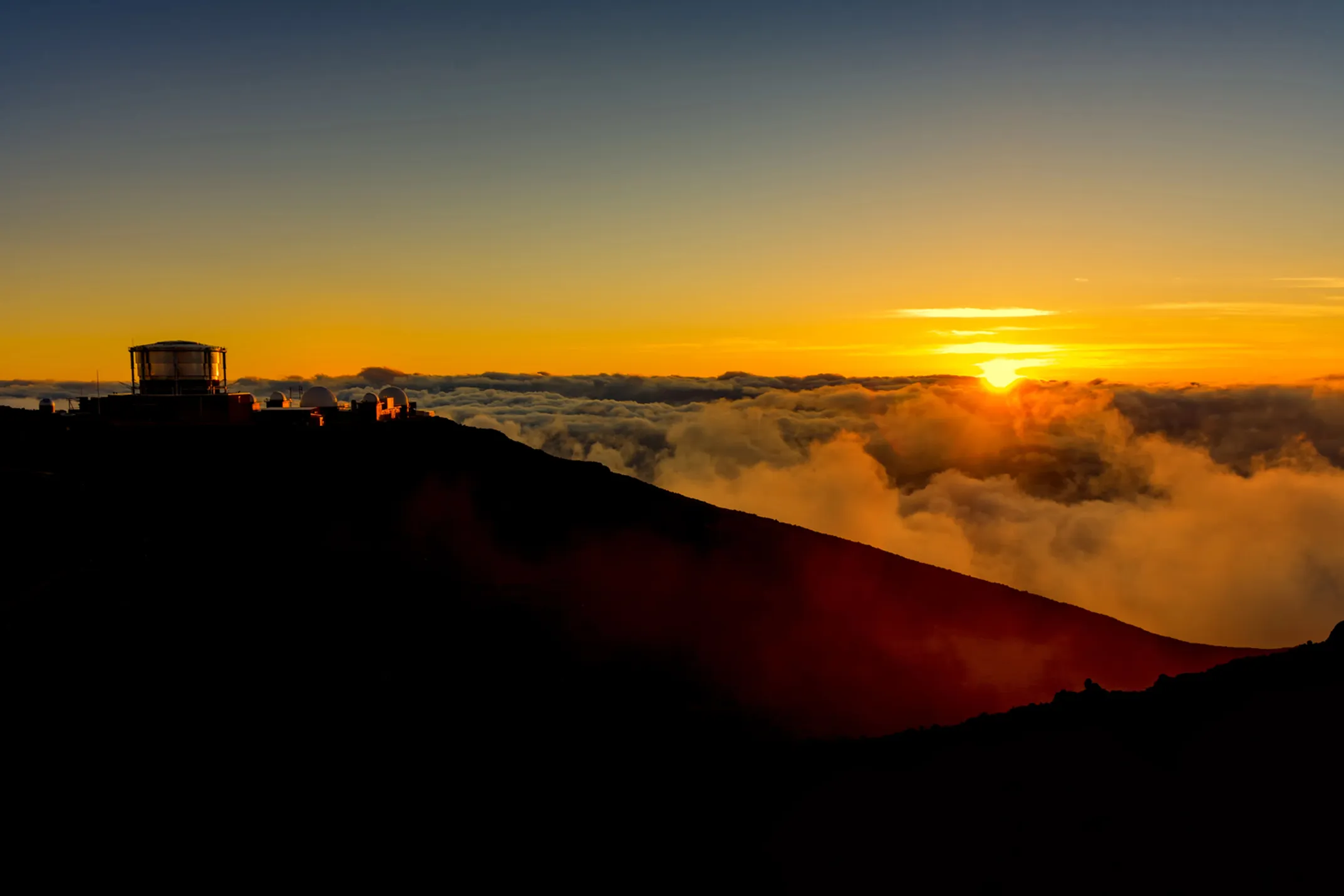
Aloha, friends. I'm Kalani Miller, and I want to share a story with you. I was just a small kid, maybe seven or eight, the first time my father woke me in the deep, silent dark of a Maui night. "We're going to the House of the Sun," he whispered. I remember the biting cold as we stepped out of the car at the summit, a cold that felt a world away from the warm beaches below. The silence was the most profound I had ever known, as if the entire island was holding its breath. And then, it happened. A sliver of light, then an explosion of impossible color that painted the endless sea of clouds below us in shades of gold and fire.
That moment is etched into my memory. It was my first introduction to the power, the mana, of Haleakalā. This volcano is more than just a mountain; it's a sacred place, central to our culture. Its name, Haleakalā, means "House of the Sun," born from the legend of the demigod Maui, who climbed this very summit to lasso the sun and slow its journey across the sky, giving his mother more daylight to dry her kapa cloth. When you make the journey up, you're doing more than just sightseeing, you're stepping into a story that has shaped these islands.
My goal with this guide is to give you everything you need to experience that magic for yourself. We'll walk through the tricky reservation system step-by-step, I'll give you the definitive breakdown of sunrise versus sunset, we'll build the perfect packing list, and most importantly, I'll show you how to turn this single event into a full day of unforgettable Upcountry adventure.
1. Master the Mandatory Sunrise Reservation System
I've heard too many stories of disappointment from visitors who missed out because they didn't understand the reservation system. It can feel intimidating, but it's simple once you know the strategy. Let me walk you through it so you can secure your spot and start your adventure off right.
First things first, let's be crystal clear: a reservation is mandatory for each vehicle entering Haleakalā National Park between the hours of 3:00 a.m. and 7:00 a.m. This is a strict rule with no exceptions. You cannot show up and buy a ticket at the entrance; they are not available.
The reservation covers one standard vehicle, not the number of people inside it. The person whose name is on the reservation confirmation must be in the vehicle and must present a photo ID that matches the name on the confirmation email. You can show the confirmation on your phone; a printed copy isn't necessary, but I recommend downloading it beforehand as cell service at the entrance can be spotty.
Understanding the Two Separate Costs
This is where many people get tripped up. There are two separate fees you need to be aware of, and paying one does not cover the other.
The Sunrise Reservation Fee is a $1.00 per vehicle fee that you pay on the Recreation.gov website when you book your slot. This fee is non-refundable and is solely for the right to enter the park during the 3 a.m. to 7 a.m. sunrise window.
The Park Entrance Fee is a separate $30 per vehicle fee that is paid upon arrival at the park's entrance station. This pass is valid for three consecutive days, so you can use it to re-enter the park and explore more later. The entrance station is cashless and only accepts credit cards. If you have a National Park Pass, like an America the Beautiful pass, it will cover this $30 entrance fee, but it does not cover the separate $1.00 sunrise reservation fee.
To save time in the morning line, you can purchase your 3-day park entrance pass online after you've secured your sunrise reservation.
The Booking Strategy: When and How to Book
The reservation system was put in place because of the sunrise's immense popularity and the limited parking at the summit. This means demand is incredibly high, and you need a plan.
There are two opportunities to book. The Primary Window releases the largest block of reservations 60 days in advance at exactly 7:00 a.m. Hawaiʻi Standard Time (HST) on the official Recreation.gov website. The Secondary Window releases a small, limited number of additional reservations 48 hours (2 days) in advance, also at 7:00 a.m. HST. This is your second chance if you missed the first window, but these spots are even more competitive and go in seconds.
This is a race against the clock. Tickets for popular dates can sell out in under a minute. You need to be prepared. Go to Recreation.gov days before you plan to book. Create an account and familiarize yourself with the site layout. You don't want to be fumbling around when time is critical.
On your booking day, log in to your account at least 10 minutes before 7:00 a.m. HST. Have the Haleakalā National Park Summit Sunrise Reservations page loaded. The moment the clock hits 7:00 a.m. HST, refresh the page. As soon as the dates become available, select your desired date and click "Add to Cart." The reservation is not yours until you have fully completed the checkout process. Have your credit card information ready to go.
Important Rules and Limitations
To prevent hoarding, you are limited to booking one sunrise reservation per customer every three days. You cannot sell or give your reservation to someone else. The name on the reservation must match the photo ID of a person in the car. There are no refunds or alternative dates offered for inclement weather. If you drive all the way up and the view is completely obscured by clouds, that's unfortunately just the luck of the draw. The mountain makes its own weather, and a clear view is never guaranteed.
2. Choose Between Sunrise and Sunset Wisely
This is the big question I get from everyone: "Sunrise or sunset?" There's no single right answer, because they are two completely different experiences, each with its own unique magic. The reason sunset has become so popular is a direct result of the strict reservation system for sunrise; it offers a beautiful, stress-free alternative. But the choice really depends on what you're looking for in your vacation.
Haleakalā Sunrise: The Classic Experience
Haleakalā Sunset: The Peaceful Alternative
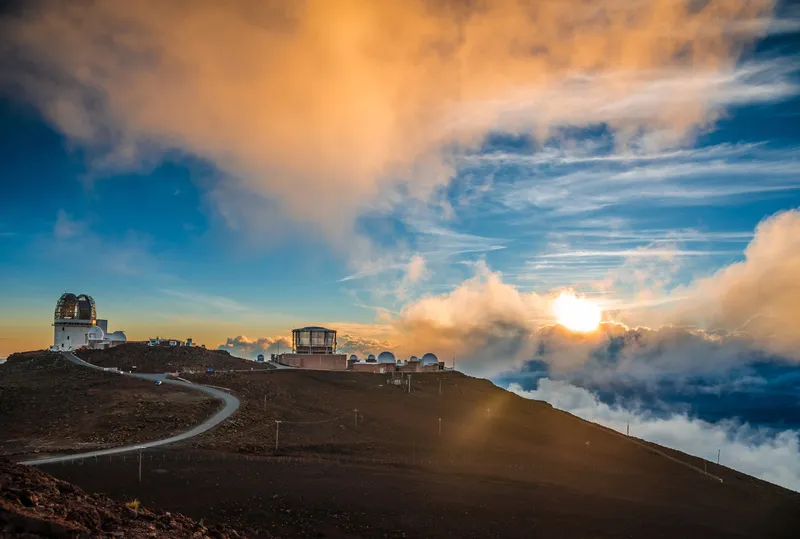
The visual spectacle is different but equally magical. Sunrise shows the world awakening with dramatic light breaking through horizon. Sunset paints the entire sky with evolving colors that continue long after the sun disappears, creating perfect conditions for romantic moments and incredible stargazing.
3. Plan Your Departure Time Carefully
Your GPS will give you an estimate, but it's almost always wrong for a sunrise mission. It doesn't account for the slow, careful driving required on the winding mountain road in the dark, the potential line of cars at the entrance station, or the time needed to park and find a good spot. I recommend arriving at the summit at least 60 minutes before the official sunrise time.
From West Maui
Kāʻanapali, Lahaina, Kapalua
Drive Time: 2.5 to 3 hours
Departure: 2:30 AM
From South Maui
Wailea, Kīhei
Drive Time: 2 to 2.5 hours
Departure: 3:00 AM
From Central Maui
Kahului, Wailuku
Drive Time: 1.5 to 2 hours
Departure: 3:30 AM
From Upcountry
Pukalani, Kula
Drive Time: 45 min to 1.25 hours
Departure: 4:00-4:15 AM
From most resort areas, you'll make your way to Kahului and get on Highway 37, also known as the Haleakalā Highway. You'll follow this through Pukalani, where it becomes Highway 377, and then make a final turn onto Highway 378, also called Crater Road. This is where the serious climbing begins.
Road Conditions & Safety
Your final checkpoint for any supplies is the town of Pukalani. Once you pass the last gas station there, you're on your own until you come all the way back down the mountain.
4. Dress for Arctic Conditions, Not Tropical Paradise
I can't stress this enough: you are going from a tropical beach to an alpine desert at 10,023 feet. The temperature at the summit is consistently at least 20 degrees colder than at sea level, and often much more, frequently dropping below freezing before dawn. I've seen people show up in shorts and T-shirts, wrapped in flimsy hotel towels, shivering uncontrollably. Their once-in-a-lifetime trip is ruined because they weren't prepared. Don't be that person.
The Non-Negotiable Layering System
Dressing in layers is the key to comfort. You can add or remove them as conditions change.
Base Layer
- Long-sleeved thermal shirt
- Thermal leggings
- Merino wool or synthetic
- Avoid cotton at all costs
Mid Layer
- Fleece jacket
- Puffy down jacket
- Insulation for warmth
Outer Shell
- Windproof jacket
- Waterproof protection
- Absolutely essential
Essential Extremities Protection
For bottoms, warm pants are a must. Jeans are not a good choice as they offer poor insulation when cold or wet. Hiking pants with a thermal layer underneath, or even ski pants, are ideal. Don't forget a scarf or neck gaiter to protect your face from the fierce summit winds.
Continue Your Haleakala Journey
Master the essential gear, discover sacred cultural practices, and plan your complete Upcountry adventure
🌋 Haleakala Quick Facts
- Elevation: 10,023 feet
- Sunrise Reservation: $1.00 + $30 entry
- Booking Window: 60 days advance
- Temperature Drop: 20°F+ colder
- Drive Time: 1.5-3 hours
📅 Booking Strategy
- Create Recreation.gov account early
- Log in 10 minutes before 7:00 AM HST
- Have credit card ready
- Tickets sell out in under 1 minute
- Secondary window: 48 hours advance
🎒 Must-Pack Items
- Winter jacket & layers
- Warm hat & gloves
- Hotel blankets
- Headlamp/flashlight
- High SPF sunscreen
- Hot coffee in thermos
- Water & snacks
- Full gas tank
📖 Complete Guide
Reservations, timing, clothing
Equipment & viewing locations
Part 3: Sacred RespectCultural understanding & environment
Part 4: Adventure OptionsHiking & Upcountry exploration
Part 5: Final PlanningWeather tips & complete itinerary
🌺 Sacred Haleakalā
"House of the Sun" - This volcano is sacred to Native Hawaiians. Practice mālama ʻāina (caring for the land) during your visit.
📧 Haleakala Updates
Get the latest summit conditions, weather alerts, and insider tips for your visit.