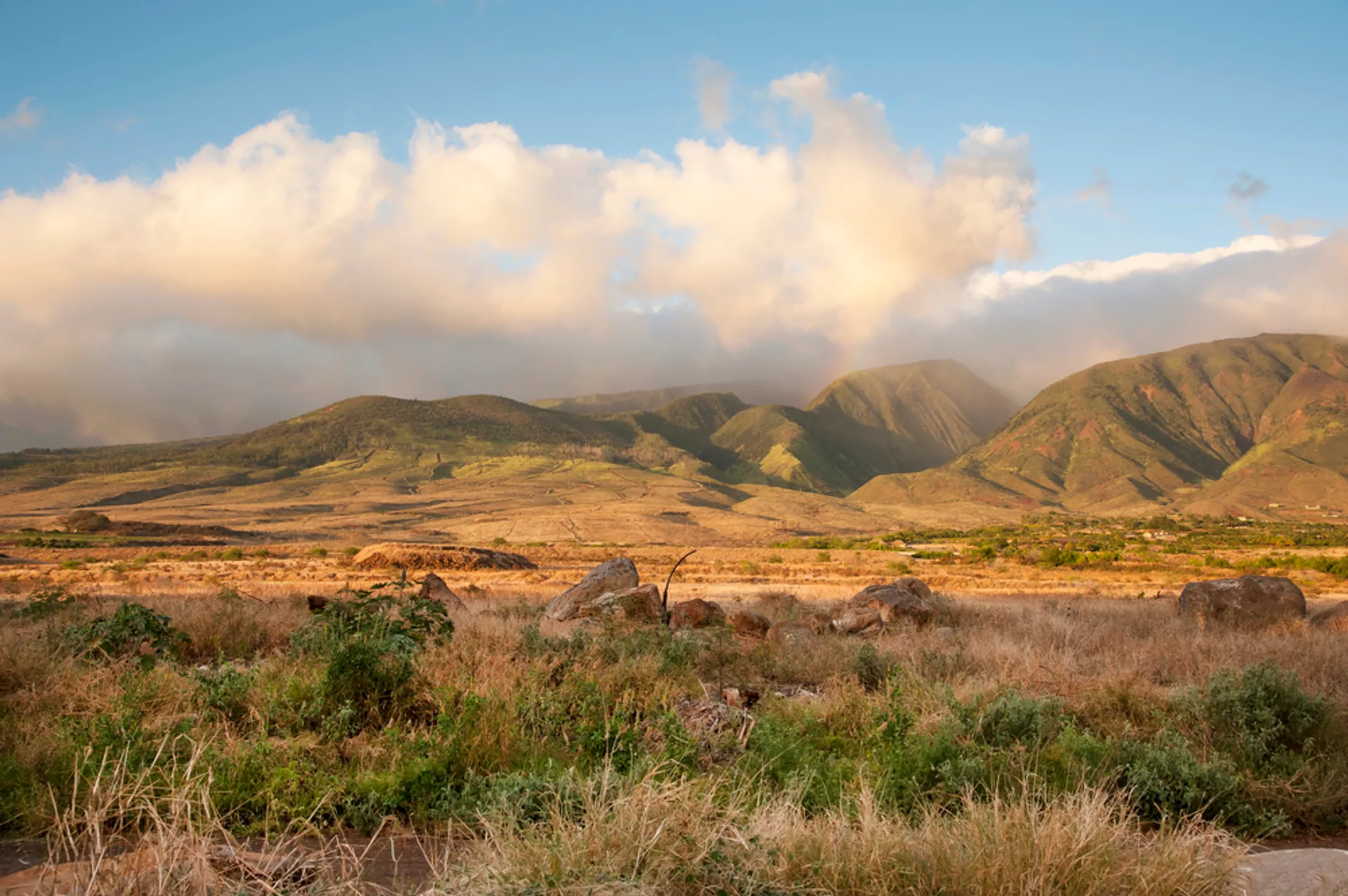

Visiting West Maui with Aloha: Mindful and Responsible Travel
Traveling to West Maui right now is a unique opportunity to connect with our island on a deeper level. It's about shifting from being a tourist to being a guest, a partner in our recovery. This means understanding the cultural values that guide us and making conscious choices that support our community and protect our precious natural resources.
The True Meaning of "Traveling with Aloha"
You'll hear the word "aloha" everywhere, but it's so much more than a simple greeting. It's a way of life, a spiritual essence of love, peace, and compassion that is so vital to our culture it's actually written into state law. The "Aloha Spirit Law" asks public officials to conduct themselves with aloha, and it provides a beautiful framework for visitors, too. It is composed of five core values:
Akahai (Kindness)
This is about expressing yourself with tenderness and patience. Many of our service industry staff, from hotel workers to restaurant servers, were directly impacted by the fires. A little extra kindness and understanding goes a long way.
Lōkahi (Unity)
This means to express yourself with harmony. Understand that your visit is part of a larger, collective ecosystem. Your positive actions contribute to the well-being of the whole community.
ʻOluʻolu (Agreeable)
Be pleasant and flexible. Recovery efforts, like debris removal, can sometimes cause traffic delays. Some businesses may have different hours. Approaching these situations with a pleasant attitude is a true expression of aloha.
Haʻahaʻa (Humility)
This is about being modest and humble. You are a guest in our home, a place with deep cultural roots and recent, profound trauma. Traveling with humility means listening, observing, and respecting local customs and guidance.
Ahonui (Patience)
Recovery is a marathon, not a sprint. The healing process for our community will take years. Patience, in traffic, in restaurants, and with the people you meet—is one of the greatest gifts you can give.
Actionable Etiquette for Respectful Travel
Embracing the Aloha Spirit in your actions is the most meaningful way to show your support. Here are some key do's and don'ts to guide your visit.
DO:
- ✓ Support Local: Make it a priority to shop at locally-owned boutiques, eat at family-run restaurants, and book tours with Maui-based companies. Your dollars are a powerful tool for economic recovery.
- ✓ Tip Generously: Many workers in the visitor industry are supporting family members who lost everything. Your generosity can make a real difference.
- ✓ Show Compassion: A simple, warm smile and a "mahalo" can brighten someone's day. Be the kind of visitor you'd want in your own hometown during a difficult time.
- ✓ Stay Informed: Check official sources like the County of Maui's website for the latest updates on road access and safety information before you explore.
DON'T:
- ✗ Ask Intrusive Questions: Please, do not ask locals about their personal experiences with the fire. Questions like, "Did you lose your home?" or "What was it like?" can force someone to relive their trauma for a stranger's curiosity.
- ✗ Treat Lahaina Town as a Spectacle: The historic burn zone of Lahaina is not a tourist attraction. It is a place of immense loss and a sacred resting place for many. Respect all barriers, signs, and instructions from officials.
- ✗ Complain About Closures: Your favorite restaurant on Front Street may be gone. Please be sensitive and refrain from complaining about what you're missing. Instead, focus on discovering and supporting the businesses that are still here.
How to Support the Lahaina Community Directly (#LahainaStrong)
While the historic center of Lahaina is closed for recovery, the resilient spirit of the Lahaina community is alive and well. Many businesses that were lost have already found new homes, and supporting them is a direct way to help Lahaina families rebuild their lives.
Many have relocated to shopping centers just outside the burn zone. When you visit, make a special trip to the Lahaina Gateway and the Lahaina Cannery Mall. Here you can find beloved local shops and services that are back in business. Some iconic restaurants have also found new locations, like Captain Jack's Island Grill, now at The Sands of Kahana Resort, and the Honolulu Cookie Company, which has a new home in Whalers Village.
For those who wish to provide financial support, please consider donating to trusted, community-led organizations. The Council for Native Hawaiian Advancement's (CNHA) Kākoʻo Maui Fund provides resources directly to wildfire survivors and is a highly respected local organization.
Mālama ʻĀina: Caring for Our Land and Sea
Mālama ʻāina, caring for the land, is a core Hawaiian value and a responsibility (kuleana) we all share. As a visitor, you can participate in this tradition by leaving Maui even better than you found it.
🌊 Use Reef-Safe Sunscreen
Our coral reefs are fragile ecosystems. Sunscreens containing chemicals like oxybenzone and octinoxate are incredibly damaging. Please choose only mineral-based sunscreens with zinc oxide or titanium dioxide. These are readily available for purchase all over the island.
🐢 Keep Your Distance from Wildlife
We are blessed to share our shores with incredible marine life. Please admire them from a respectful distance. Federal and state law recommends staying at least 10 feet from honu (Hawaiian green sea turtles) and at least 50 feet from ʻīlioholoikauaua (endangered Hawaiian monk seals).
🥾 Hike Responsibly
To prevent the spread of invasive seeds and plant diseases like Rapid ʻŌhiʻa Death, which devastates our native forests, please clean your hiking shoes and gear before and after hitting the trails.
🤝 Give Back Through Voluntourism
For many visitors, dedicating a few hours or a day of their vacation to volunteering is a profoundly rewarding experience. It's a chance to connect with the community, learn about our culture, and make a tangible contribution to the recovery effort.
Giving Back: A Way to Voluntourism
There are many wonderful organizations that welcome visitor volunteers:
HandsOn Maui
This is the County of Maui's official Volunteer Center. Their website is the best place to find the most current, urgent, and ongoing needs from a wide range of nonprofits.
Maui Cultural Lands
Join them on a Saturday morning to help restore the ancient cultural sites in Honokōwai Valley. You'll remove invasive plants, replant native species, and learn the history of the land from passionate local guides.
Hua Momona Farms
This organization has been instrumental in feeding displaced families. You can volunteer to help with farm work or meal preparation, directly nourishing the community.
Habitat for Humanity Maui
While large-scale rebuilding in Lahaina is still in the planning stages, you can support their mission now by volunteering at their ReStore, which sells donated items to fund building programs.
You can also look into the Mālama Hawaiʻi Program, a statewide initiative where many hotels partner with local nonprofits. By participating in a designated volunteer activity, you might even qualify for a special discount or a free night's stay.
🗺️ West Maui Guide
🌺 Aloha Spirit Values
- Akahai (Kindness)
- Lōkahi (Unity)
- ʻOluʻolu (Agreeable)
- Haʻahaʻa (Humility)
- Ahonui (Patience)
❤️ #LahainaStrong
Your mindful visit makes a real difference in our community's recovery. Mahalo for traveling with aloha.