Lahaina Jodo Mission
Peace, Heritage, and Resilience After the 2023 Maui Wildfires

Written by a Local Expert
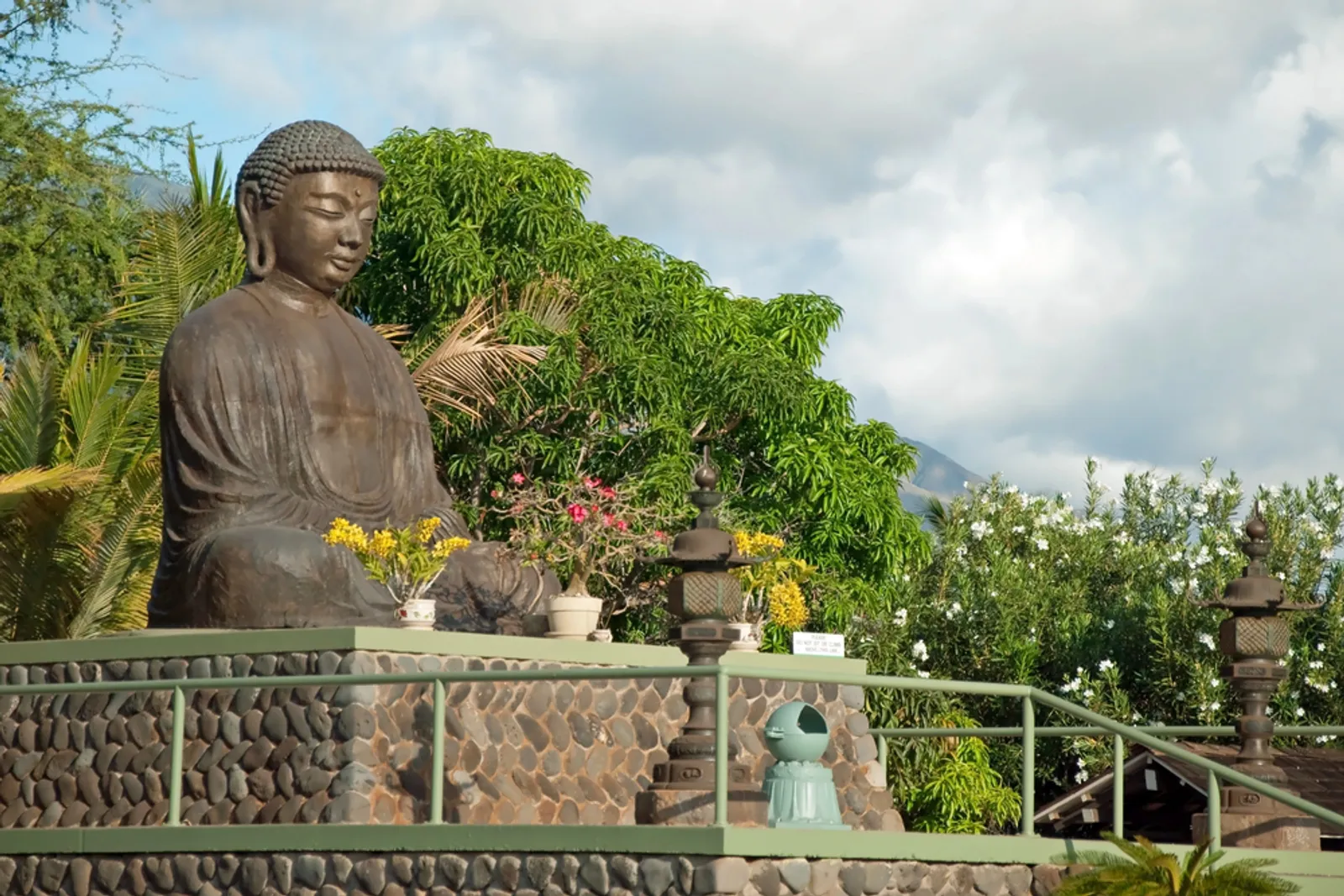
Jade KawanuiThe sound of waves breaking against ancient lava rock at Puunoa Point has been a constant companion to the Lahaina Jodo Mission for over ninety years. I've visited this sacred place many times over the decades, always finding myself drawn to the profound calm that radiates from the Great Buddha statue as it gazes serenely toward Lanai and Molokai across the Auau Channel.
The mission has always been more than a beautiful landmark to me. It represents the deep roots of Japanese culture in Hawaii and the faith that sustained thousands of immigrant families who helped build these islands into what they are today. Standing in its grounds, with the West Maui mountains rising behind you and the Pacific stretching endlessly before you, you feel connected to something larger than yourself.
After the devastating August 2023 wildfires that forever changed Lahaina, the mission's story has taken on an even deeper meaning. The destruction was immense, heartbreaking, and profound. Yet from those ashes, a powerful symbol emerged: the Great Buddha, untouched by flames, sitting in perfect meditation as it had for over fifty years. That image of survival has become a beacon of hope for everyone who calls these islands home.
This is the story of the Lahaina Jodo Mission, a place where faith meets history, where tradition honors memory, and where a community's unshakeable spirit shines through even the darkest moments.
The Spiritual Foundation: Understanding Jōdo-shū Buddhism
To truly appreciate the Lahaina Jodo Mission, you need to understand the spiritual tradition that gave it life. The mission's foundation rests on Jōdo-shū, which translates to "Pure Land School" of Buddhism. This branch of Buddhist practice was founded in Japan in 1175 by a monk named Hōnen, who offered a revolutionary teaching for his time.
Hōnen's message was simple but profound. Salvation was not reserved for monks or the wealthy. Any person, regardless of their station in life, could attain peace in the afterlife through sincere devotion to Amida Buddha, the Buddha of Infinite Light and Infinite Life. This teaching must have felt like a gift to the laborers who would later toil under Hawaii's brutal sun in sugarcane and pineapple fields, far from everything they knew.
The core practice of Jōdo-shū centers on chanting the Nembutsu, the phrase "Namu Amida Butsu," which means "Homage to Amida Buddha." Through this sincere recitation, followers believe they can secure rebirth in Sukhavati, the Pure Land or Western Paradise. This realm is described as a place free from all suffering, where one can pursue enlightenment under the direct guidance of Amida Buddha himself.
The Japanese Immigration Story: Building Community in a New Land
The story of Japanese immigration to Hawaii is one of hardship, determination, and ultimately, remarkable cultural contribution. The first Japanese laborers arrived in Hawaii in 1868, recruited to work on the islands' booming sugar and pineapple plantations. These workers faced grueling conditions, long hours under an unforgiving sun, and wages that barely sustained them.
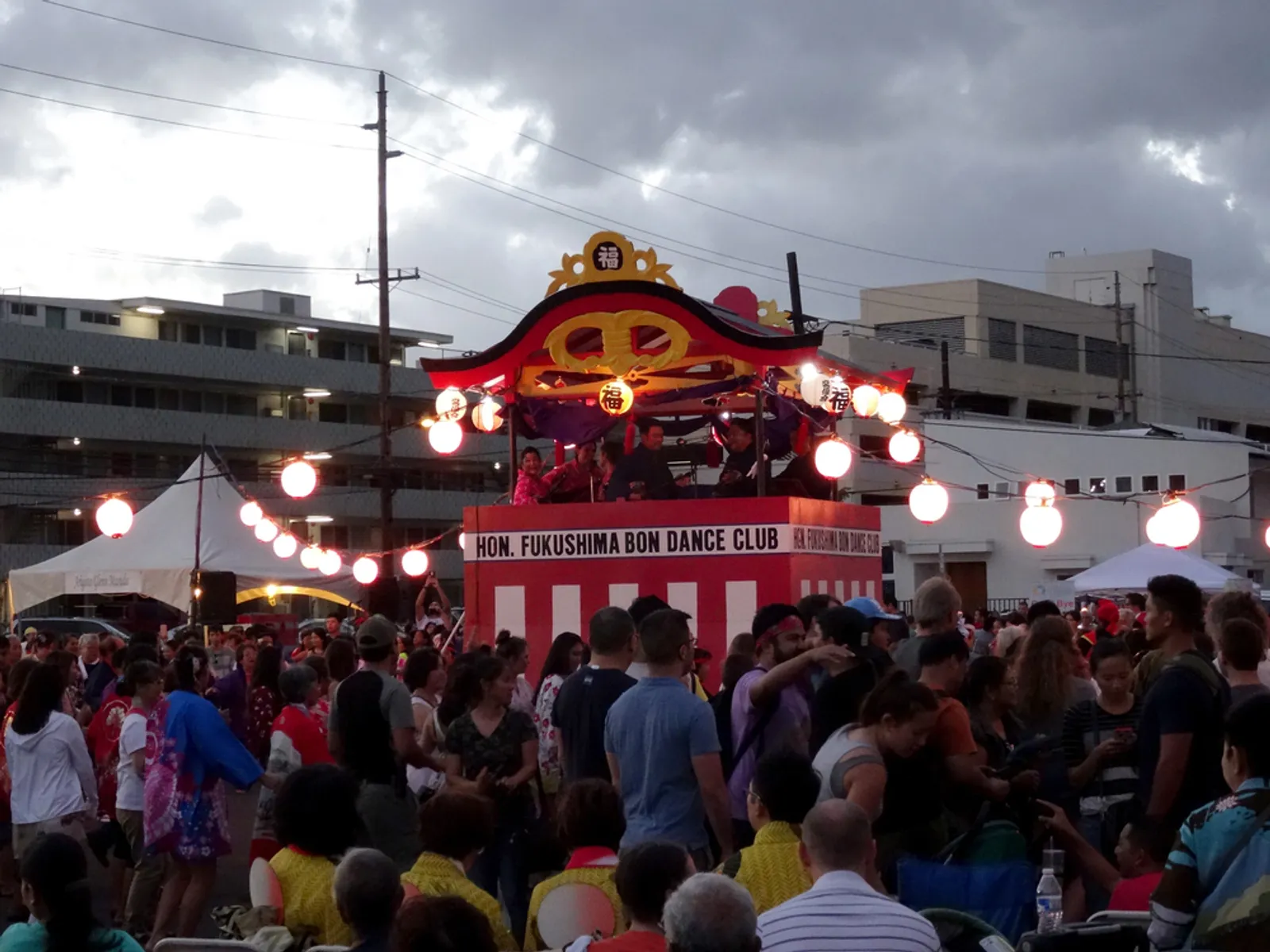
For these immigrants, maintaining their spiritual and cultural identity was not just important. It was essential to survival. Jodo Buddhism was formally introduced to Hawaii in 1894, and temples quickly became vital community centers. These missions served multiple purposes beyond worship. They were cultural sanctuaries where Japanese language could be spoken freely, where children could learn about their heritage, and where families could gather for festivals and celebrations that connected them to home.
The missions also provided education, social support, and a sense of belonging in a place where many laborers felt isolated and exploited. For plantation workers far from Japan, these temples were lifelines to their past and bridges to their future in Hawaii.
Explore the Complete Story
Continue through the rich history and remarkable resilience of the Lahaina Jodo Mission
ℹ️ Quick Info
- Location: Puunoa Point
- Address: Ala Moana St
- Founded: 1912
- Great Buddha: Installed 1968
- Admission: Free
📝 Visitor Guidelines
- Dress respectfully
- Speak softly
- Remove shoes when required
- No climbing on structures
- Photography permitted
📖 Complete Guide
⛩️ Mission Highlights
- • Great Buddha survived 2023 fires
- • 12-foot tall copper & bronze Buddha
- • Centennial commemoration site
- • Japanese cultural heritage
- • Symbol of resilience & hope