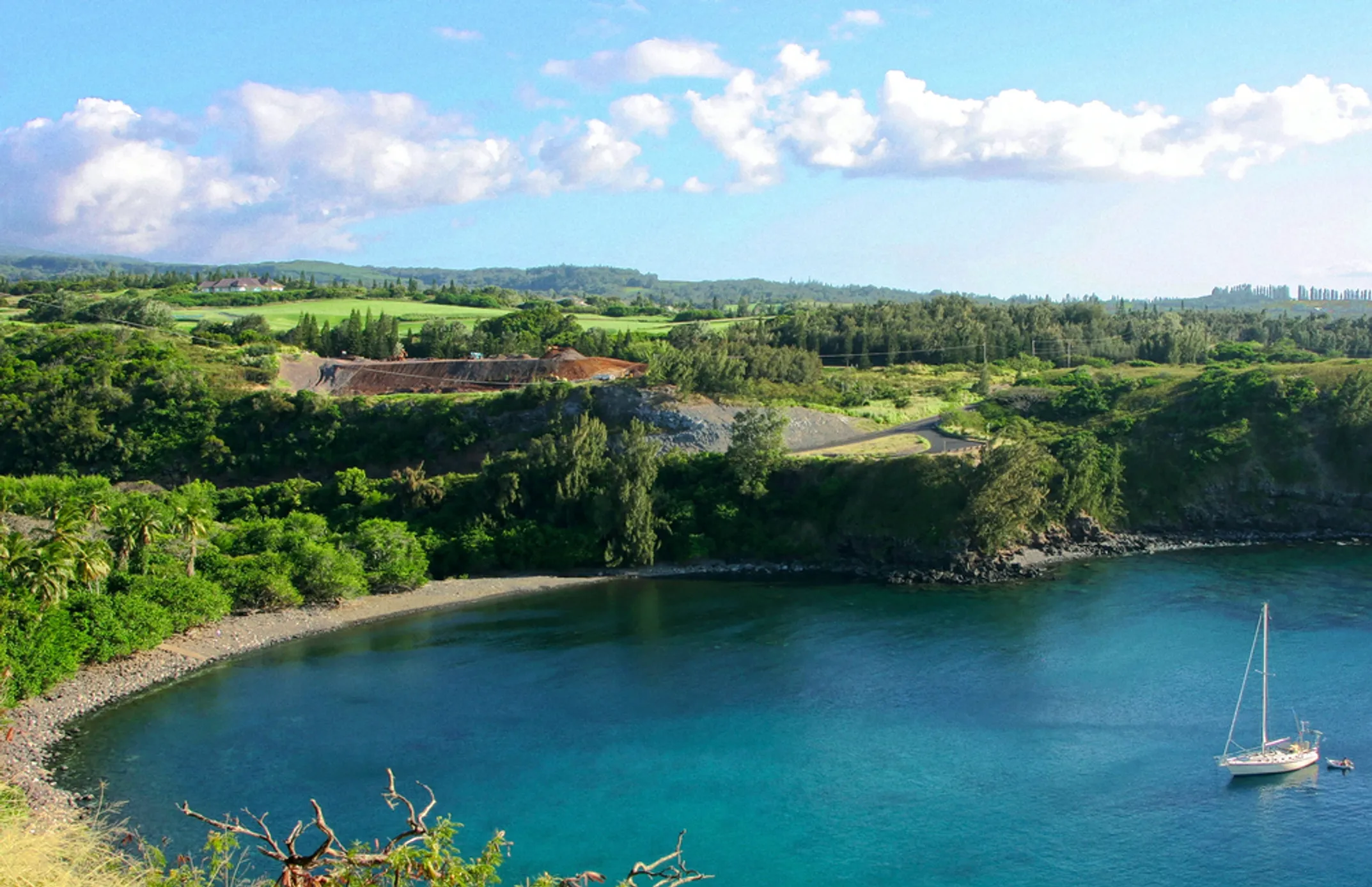
Marine Life & Ecology
Understanding the seasonal patterns, conservation success, and scientific research at Honolua Bay

Written by a Local Expert
Jade KawanuiMarine Life Seasonal Patterns
Honolua's protected status creates year-round marine life abundance, but seasonal patterns affect what you'll encounter.
Summer Marine Activity (May-September)
Summer months bring calmer conditions that allow smaller, more colorful reef fish to venture into shallower areas. This is prime time for photographing vibrant species like butterflyfish, angelfish, and wrasse.
🐠 Reef Fish
Smaller colorful species more active and visible in shallow areas. Best for photography and close observation.
🐢 Turtles
Honu often rest in sandy areas between coral heads during midday hours, making them easier to observe respectfully.
🦀 Spawning
Many species spawn during summer months, creating increased activity and interesting behaviors to observe.
Winter Marine Activity (October-April)
Winter's larger swells limit snorkeling opportunities but create different marine experiences. Pelagic species sometimes venture closer to shore, riding the deeper water near the bay mouth. Manta rays, whale sharks, and other large species occasionally make appearances during winter months.
Humpback whales arrive in Hawaiian waters from December through April, and their songs can sometimes be heard underwater while snorkeling at Honolua. While you're unlikely to see whales from the bay itself, their presence adds an extra dimension to the winter ocean experience.
Conservation Success Stories
Honolua Bay represents one of Hawaii's greatest marine conservation success stories. When the Marine Life Conservation District was established in 1978, fish populations had been significantly depleted by decades of fishing pressure. The transformation over nearly five decades demonstrates the ocean's incredible resilience when given protection.
Fish Population Recovery
Fish biomass within the protected area has increased dramatically. Species that were rare or absent have returned in significant numbers. Large parrotfish, once heavily targeted by spearfishers, now reach impressive sizes that were rarely seen before protection. Predator fish like ulua (giant trevally) have returned to patrol the outer reef areas.
Coral Recovery
The coral recovery has been equally remarkable. Protection from fishing means herbivorous fish can control algae growth that would otherwise smother coral. The reef's three-dimensional structure has become more complex over decades, providing more habitat niches for diverse species.
Economic Benefits
The economic benefits of conservation have also become clear. Healthy reefs support tourism, which provides far more economic value than extractive uses ever did. This economic argument has helped maintain political support for continued protection.
Community involvement has been crucial to conservation success. Local residents, surfers, and businesses have become active stewards, reporting violations and educating visitors about responsible behavior. This grassroots support has been essential for long-term protection.
Scientific Research and Ongoing Studies
Honolua Bay serves as a living laboratory for marine scientists studying coral reef ecosystems, fish population dynamics, and the effects of human activities on marine environments. Long-term monitoring programs track changes in species composition, coral health, and water quality over decades.
University Research
University of Hawaii researchers regularly conduct studies at Honolua Bay, taking advantage of its protected status to understand baseline conditions for healthy reef ecosystems.
Water Quality Monitoring
Studies track how agricultural runoff, urban development, and visitor impacts affect coral and fish populations, directly informing management decisions.
Population Studies
Visual surveys, fish traps, and underwater video monitoring track species abundance and diversity over time, helping understand natural fluctuations.
Climate Research
Coral health assessments monitor bleaching events, disease outbreaks, and recovery rates to understand climate change impacts.
Visitor Impact Studies
Visitor impact studies examine how different levels and types of human activity affect marine life behavior and habitat quality. This research helps develop carrying capacity guidelines and best practices for sustainable tourism.
Citizen Science Programs
Citizen science programs engage snorkelers and divers in data collection, expanding research capacity while educating visitors about reef ecology. These programs demonstrate how tourism can contribute positively to conservation science.
Long-Term Datasets
Long-term datasets from Honolua Bay help scientists understand natural population fluctuations and the effects of protection measures. These studies provide crucial data for managing other reef areas throughout Hawaii and the Pacific.
Complete Your Honolua Bay Knowledge
Explore cultural connections, visitor guidelines, and stewardship practices.
🐠 Common Species
- 🐢 Honu (Green Sea Turtles)
Year-round residents
- 🟡 Yellow Tang
Bright golden clouds
- 🦜 Parrotfish (Uhu)
Colorful coral munchers
- 🐙 Octopus
Hidden in reef crevices