The Brutal Truth About Logistics
Everything you need to know about parking, facilities, weather, and planning your Honolua Bay visit

Written by a Local Expert
Jade KawanuiHonolua's wild, undeveloped nature results from successful conservation efforts preventing it from being paved and built up. This pristine state is a victory, but visiting requires careful planning and self-reliant attitude. The logistical challenges aren't flaws. They're the price of preservation.
The Parking Nightmare
Parking is absolutely the biggest challenge of visiting Honolua Bay. There's a tiny dirt lot near the main trailhead that fits maybe five cars and fills before sunrise. Most visitors must park on the narrow, uneven shoulder of Honoapiʻilani Highway.
Critical Theft Warning
Remote parking areas around Honolua are notorious for smash-and-grab break-ins. Don't leave any valuables in your car. Not in the trunk. Not under the seat. Take your wallet, phone, keys, and anything valuable to the bay.
Many locals recommend leaving cars unlocked to avoid having windows smashed by thieves looking for quick scores.
Parking Safety Tip
Be careful. The drop-off from pavement can be severe and easily damage a rental car. Park with extreme caution.
Pro Tip: Arrive Early
Arrive as early as possible, ideally before 8:00 AM. This gives you the best chance of finding parking and ensures you experience the calmest water conditions and best snorkeling visibility.
What Facilities Actually Exist
Come prepared to be completely self-sufficient. Honolua Bay is wild with almost no amenities.
❌ What's NOT Available
- ✗ No lifeguards
- ✗ No showers
- ✗ No food vendors
- ✗ No running water
- ✗ No emergency services
✓ What IS Available
- ✓ Portable toilets at trailhead
- ✓ Marked trail to bay
- ✓ Old boat ramp for entry
Essential Packing List
To have a safe and enjoyable day, bring everything you need. This is the essential checklist.
Water & Safety
- Water shoes or reef walkers - Absolutely essential for navigating rocky entry
- Drinking water - More than you think you need, preferably in reusable bottles
- Reef-safe sunscreen - Non-negotiable for protecting yourself and the reef
Snorkel Gear
- Mask, snorkel, and fins - Musts for snorkeling
- Flotation belt - Smart for safety. The best snorkeling is a good swim from shore
- Waterproof camera - Capture incredible underwater sights
Food & Comfort
- Snacks and food - There's nowhere to buy anything nearby
- Towels and dry clothes - For comfort after swimming
- Beach chairs - Much more comfortable than boulders
Don't Forget
- Trash bags - Pack out everything you bring
- First aid kit - Basic supplies for minor injuries
- Waterproof bag - Protect valuables from water
Weather Patterns and Best Times to Visit
Understanding Honolua's seasonal patterns helps you plan the perfect visit.
Summer Snorkeling Season (May-September)
Summer months bring the calmest conditions for snorkeling. Trade winds typically blow from the northeast, but Honolua's protected orientation creates sheltered conditions perfect for underwater exploration.
Water temperatures during summer hover around 78-80°F, comfortable for extended snorkeling sessions. Visibility often exceeds 100 feet on calm days, revealing the reef's intricate details. Morning hours before 10 AM usually offer the best conditions before afternoon trade winds pick up.
Winter Surf Season (October-April)
Winter transforms everything. Powerful north and northwest swells create the legendary surf conditions Honolua is famous for. Wave heights can range from 6 feet on smaller days to over 20 feet during major swells. Water temperatures drop to 75-77°F, still comfortable but requiring longer exposure protection.
Rain and Water Clarity
Rain patterns matter significantly for snorkeling conditions. Winter months see more frequent storms that send sediment-laden runoff into the bay. After heavy rains, water near shore becomes extremely murky, especially around the stream mouth. Check weather forecasts and consider alternative locations if heavy rains have recently occurred in West Maui.
Trade Wind Cycles
Trade wind cycles also affect conditions. When trades die down, the ocean becomes incredibly calm and clear, creating optimal snorkeling conditions. These "Kona wind" periods can happen any time of year but are more common during summer months.
Honolua at a Glance
Location & Access
Location: Off Honoapiʻilani Highway around mile markers 32-33
Trail: 0.6-mile walk through "enchanted forest"
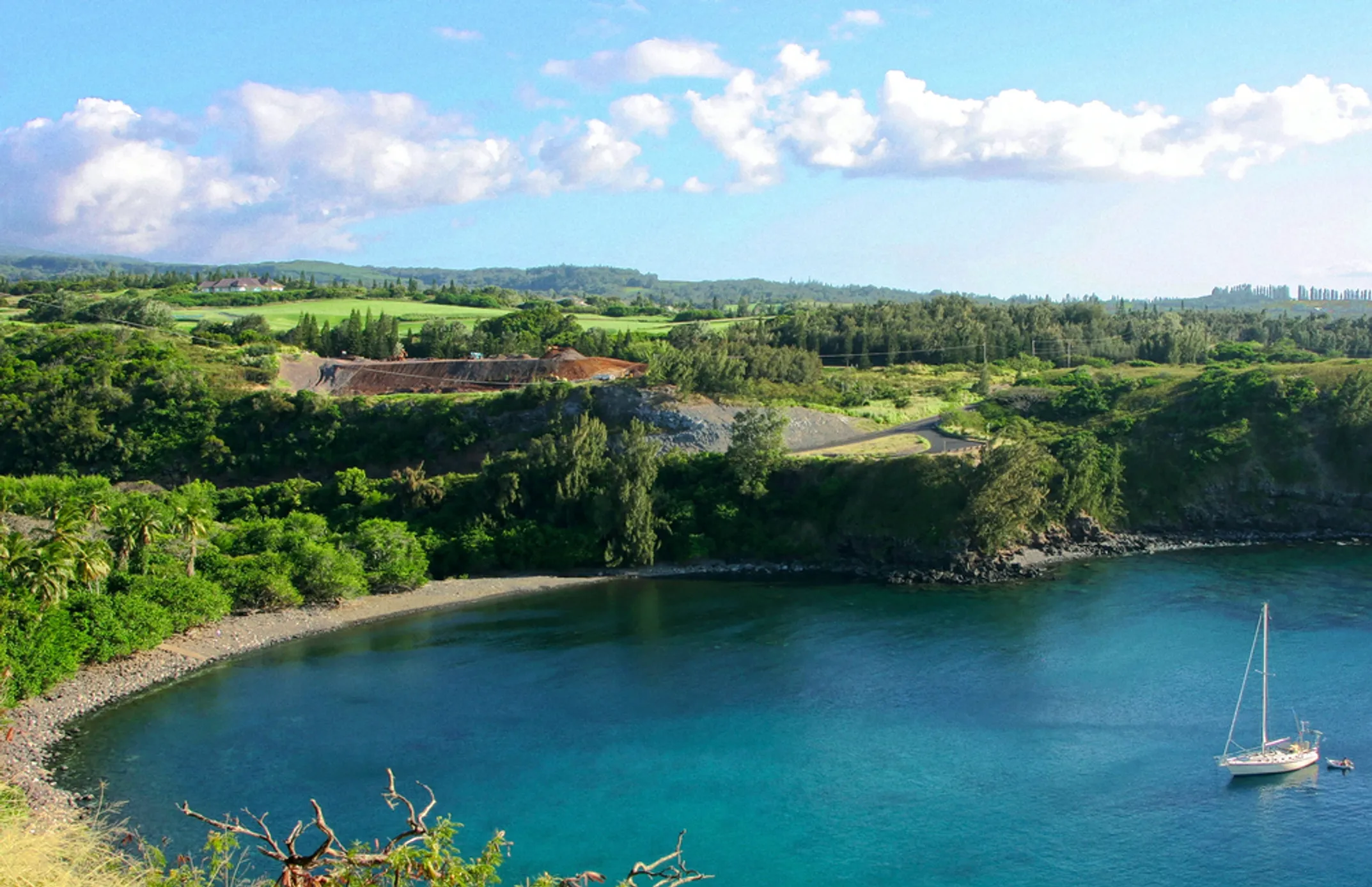
Shoreline: Rocky boulders and pebbles, not sandy beach
Best Seasons
Snorkeling: May to September (calm conditions)
Surf Watching: October to April (big swells)
Best Time: Early morning before 10 AM
Facilities & Safety
Facilities: Portable toilets at trailhead only
Lifeguards: None - raw, untamed nature
Water Entry: Slippery rocks - water shoes essential
Costs & Parking
Entrance: Free (donation boxes support conservation)
Parking: Extremely limited, hazardous roadside options
Theft Risk: High - take all valuables with you
Planning Your Complete Hawaii Itinerary
Many visitors are planning trips spanning multiple islands. As your local guide, I want to help you see Hawaii's bigger picture. While Maui holds a special place in my heart, some experiences are best found on our sister islands.
For Ultimate Thrill Seekers
While Honolua Bay offers one of Maui's best natural adventures, the state's premier adventure park is on Oahu. For a day packed with diverse activities, nothing compares to Coral Crater Adventure Park. Extensive zipline courses soar through jungle canopy. Rugged off-road ATV rides challenge your skills. An 18-challenge aerial adventure tower includes a 50-foot freefall. It's the top purpose-built destination in Hawaii for high-energy thrills.
For History Buffs
Honolua's history tells deep Hawaiian stories about this land and its people. For those wanting to explore pivotal moments in American and world history, Oahu is essential. The Pearl Harbor National Memorial provides profound, moving experiences honoring lives lost on December 7, 1941.
I strongly encourage booking professional guided tours for this solemn visit. Guides handle complex logistics, provide narrated transportation, and ensure you have reserved boat tickets for the USS Arizona Memorial program. This completely removes the stress of navigating Oahu traffic and parking challenges, letting you focus on history and pay respects at this sacred site. It's by far the most efficient and emotionally resonant way to experience Pearl Harbor.
A tour of Pearl Harbor and Punchbowl Crater is a must-do while island-hopping. Choosing guided tours is the most efficient approach. Experts handle schedules, you get deeper insights, and you bypass costs and complexities of parking entirely.
Continue Exploring Honolua Bay
Discover marine life patterns, conservation success stories, and cultural connections.
✓ Pre-Visit Checklist
- Check weather forecast
- Plan to arrive before 8 AM
- Pack all essentials
- Remove valuables from car
- Bring reef-safe sunscreen