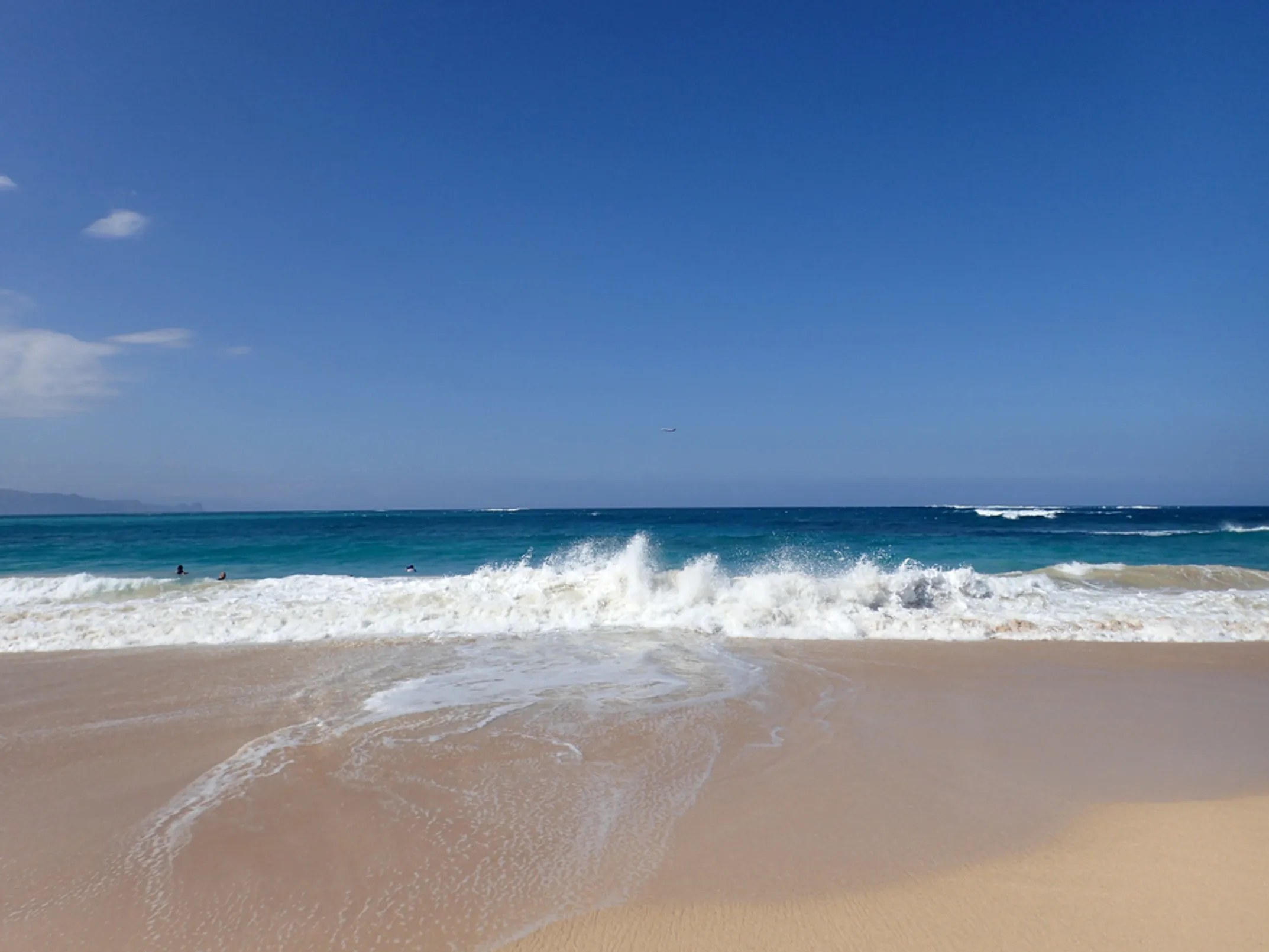
19 Unforgettable Things to Do in Paia, Maui
North Shore's Bohemian Paradise

Written by a Local Expert
Jade KawanuiMy Paia, My Aloha: An Introduction
Aloha! I'm Jade Kawanui, and I've been lucky enough to call Maui home my entire life. I still remember my first 'talk story' session at Paia Fish Market. I was a teenager, sun-kissed from a morning at Baldwin Beach, and the long, communal table was buzzing with energy. A grizzled surfer was telling a story about a massive winter swell at Hoʻokipa, a woman was describing the new art at the Maui Crafts Guild, and a family was laughing over a shared plate of fish and chips. That's when I realized Paia isn't just a place you visit; it's a vibe you feel. It's the real, unfiltered soul of Maui's North Shore.
For too long, guidebooks have labeled Paia as simply "the last stop before the Road to Hana." While it is the essential starting point for that incredible journey, thinking of it as just a pitstop is like seeing only one color in a rainbow. Paia is a destination in its own right, a vibrant, living tapestry woven from threads of sugar plantation history, world-class adventure, and a unique bohemian-surf culture that can't be found anywhere else on the islands.
This isn't your average travel advice. This is an insider's look, the kind of tour a friend would give you. I'm going to take you beyond the storefronts and into the heart of this town, from its historic streets to its legendary waves.
The Soul of a Town: The Surprising History of Paia
To truly understand Paia, you have to know its story. The town's funky, laid-back character isn't a theme created for tourists. It's the authentic result of a dramatic history of boom, bust, and reinvention. Every colorful building and eclectic character is a chapter in a story of resilience and transformation.
From Sugar Cane to Main Street (1880s-1920s)
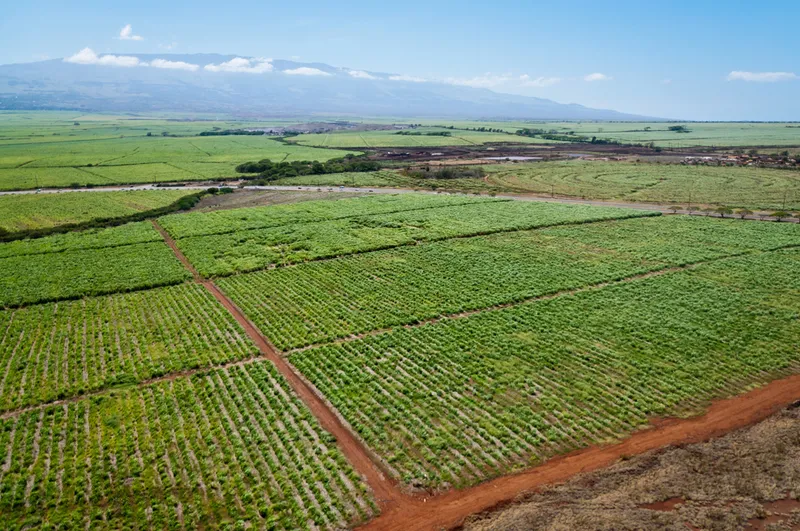
Paia's story begins with sugar. In 1880, the powerful partnership of Samuel Alexander and Henry Perrine Baldwin established the Paia Sugar Mill, and a town was born from the red dirt. To work the vast sugarcane fields, the plantation recruited laborers from across the globe. Soon, plantation camps sprang up, housing a diverse mix of immigrants from China, Japan, the Philippines, Korea, Puerto Rico, and Portugal, who worked and lived alongside Native Hawaiians. This multicultural melting pot was the bedrock of Paia's identity, creating a legacy of diversity that still defines the town today.
By the early 20th century, Paia was a bona fide boom town. With the mill operating at full capacity, the population swelled to over 10,000 people. At the time, that was roughly one-fifth of Maui's entire population. It was a bustling social and commercial hub with three movie theaters, a hospital, schools, churches, and a train depot that linked the town to the harbor in Kahului. The historic, plantation-style buildings that line Hana Highway and Baldwin Avenue are the last vestiges of this prosperous era, a time when Paia was the beating heart of Maui's North Shore.
Trial by Fire and Water (1930s-1950s)
Paia's resilience was forged in disaster. On July 6, 1930, a devastating fire swept through Lower Paia, destroying fifteen stores and leaving 150 people homeless. But the community's spirit was unbreakable. Citizens and relief groups banded together, and the town was rebuilt from the ashes. Much of the streetscape you see today along Hana Highway is a direct result of that rebuilding effort.
Just sixteen years later, tragedy struck again. In 1946, an earthquake in the Aleutian Islands triggered the largest and most destructive tsunami in Hawaii's recorded history. The massive waves inundated Paia, destroying buildings and once again testing the town's resolve. And once again, the people of Paia rebuilt.
However, a quieter, more permanent change was on the horizon. In the 1950s, the sugar industry began to centralize its operations and housing in the newly developed "Dream City" of Kahului. Plantation workers left the camps for the promise of owning their own homes, and Paia's population plummeted from over 10,000 to just 1,500 residents. The once-bustling town became a quiet, near-forgotten backwater.
The Counter-Culture Renaissance (1960s-1970s)
The economic decline of the 1950s inadvertently set the stage for Paia's next great transformation. The empty storefronts and low rents of the nearly abandoned town, combined with its stunning natural beauty, made it a magnet for a new wave of arrivals in the 1960s and 70s: hippies, artists, and other counter-culture figures from the mainland seeking a different way of life.
These newcomers were the first to see the inherent value in the town's historic, plantation-era architecture. Instead of tearing it down, they breathed new life into the old buildings, opening art galleries, independent craft stores, natural food shops, and other small businesses. This grassroots revival saved Paia's historic character and established the independent, bohemian, and artsy vibe that the town is famous for today. The spirit of that era lives on in the town's vibrant art scene and its fiercely independent, community-focused ethos.
The Windsurfing Revolution (1980s-Present)
Just as the hippie renaissance was solidifying Paia's new identity, another group of pioneers discovered a different kind of magic on its shores. In the late 1970s and early 1980s, a handful of adventurous watermen realized that the consistent trade winds and world-class waves at nearby Hoʻokipa Beach created the perfect conditions for a new, exhilarating sport: windsurfing.
Word spread like wildfire through the global watersports community. Hoʻokipa wasn't just good—it was arguably the best windsurfing spot on the planet. Throughout the 80s and 90s, athletes from around the world descended on Paia, adding an international, athletic, and adrenaline-fueled layer to the town's bohemian culture. This cemented Paia's new moniker as the "Windsurfing Capital of the World."
The final chapter of the old era was written in 2000, when the Paia Sugar Mill closed its doors for good, officially ending more than a century of sugar production. But by then, Paia's new identity was firmly established. It had transformed from a company town into a global hub for art, culture, and adventure—a testament to its incredible capacity for reinvention.
1. Watch World-Class Athletes at Hoʻokipa Beach Park
Just a few minutes past Paia town on the Hana Highway lies Hoʻokipa Beach Park, a place that is both a legendary arena for water sports and a sacred sanctuary for wildlife. Understanding how to experience this special place is key. Hoʻokipa isn't just about what you can do there; it's about how you can be there, coexisting respectfully with the powerful forces of nature and the incredible athletes and animals that call it home.
Watching the Pros: The Best Seat in the House
Hoʻokipa is the Carnegie Hall of surfing and windsurfing. This is where the world's best come to train and perform, and watching them is a spectacle you won't forget.
When to Go: For the most dramatic action, visit during the winter months, from November to March. This is when the legendary north shore swells roll in, producing waves that can reach heights of 30 feet. While the surfing is good all day, the windsurfing action truly ignites in the afternoons when the trade winds pick up and the sails come out in force.
Where to Watch: The premier vantage point is the Hoʻokipa Lookout, located on the eastern cliff at the end of the park. From here, you get a stunning panoramic view of the main surf break, known as "Pavilions," where you can watch surfers carve down the massive wave faces. It's the perfect perch to appreciate the skill and courage of these athletes.
Jade's Pro Tip: Pay attention to the local rules of the water, which are a beautiful example of the aloha spirit. Windsurfing is generally not allowed before 11 a.m. This gives surfers, fishermen, and divers priority in the mornings when the winds are lighter. It's a system of respect that allows everyone to share the ocean safely.
2. Witness Hawaiian Green Sea Turtles (Honu) at Rest
One of the most magical experiences at Hoʻokipa happens on the sand. This beach is one of the most reliable places on Maui to see Hawaiian Green Sea Turtles, or honu, as they come ashore to rest. Seeing these gentle, ancient creatures is a profound privilege, and it comes with a great responsibility.
Timing is Everything: The honu typically haul out of the water to bask on the sand in the late afternoon and early evening. The hour or two before sunset is often the prime viewing time. You can often see dozens of them dotting the shoreline, resting after a long day of foraging in the ocean.
The Golden Rule: Keep Your Distance. This is the most important rule of all. Honu are a protected species under both federal and state law. It is illegal to touch, feed, chase, or harass them in any way. You must stay at least 10 feet (3 meters) away from them at all times, whether they are on the beach or in the water. This isn't just a polite suggestion; it's the law, and violations can result in very heavy fines. Never block their path to or from the ocean.
Jade's Etiquette Tip: I always tell my friends to think of the beach as the turtles' bedroom. You wouldn't walk into a stranger's house, stand over their bed, and take a flash photo while they're sleeping. Afford them the same courtesy. Use your camera's zoom, speak in a quiet voice, and give them the space and respect they deserve. Their presence here is a gift, not a guaranteed photo op.
Hoʻokipa Logistics: Parking, Safety, and Amenities
A little planning goes a long way to ensuring a smooth visit to Hoʻokipa.
Parking: There are two main parking areas: a larger lot near the pavilions and a smaller one at the lookout. Be warned: these lots fill up very quickly, especially on days with good surf and around sunset. My advice is to arrive early or be prepared to wait patiently for a spot to open up. Never park on the sand.
Safety Warning - The Ocean: I cannot stress this enough: Hoʻokipa is for expert watermen only. The surf is incredibly powerful, the currents are strong and unpredictable, and the reef is sharp and shallow. For the vast majority of visitors, this is a beach for watching and admiring from the safety of the shore, not for swimming or snorkeling. There are lifeguard stations, but even they will tell you to stay out of the water if you are not an experienced ocean athlete.
Safety Warning - Your Vehicle: Like many popular beach parks in Hawaii, car break-ins can be a problem. My number one safety tip is to never, ever leave valuables in your car. Don't even try to hide them. Take your wallet, phone, and camera with you, and always lock your vehicle.
Amenities: The park is well-equipped for a day of spectating. You'll find restrooms, freshwater showers, picnic tables, and covered pavilions, making it a great place to enjoy a picnic lunch while you watch the action.
Continue Exploring Paia
Discover unique boutiques, world-class surf shops, local art galleries, and legendary restaurants that make Paia unforgettable.
ℹ️ Quick Info
- Location: North Shore
- From Kahului: 15 minutes
- Best Time: Year-round
- Parking: Street parking
- Vibe: Bohemian surf
📖 Explore Paia
You are here
Boutiques & galleries
Dining GuideRestaurants & cafes
Road to Hana PrepPlanning & tips
🎒 What to Bring
- Reef-safe sunscreen
- Camera for turtles
- Cash for shops
- Comfortable shoes
- Reusable water bottle
🔗 Related Guides
📧 Stay Updated
Get the latest Maui travel tips and local insights.