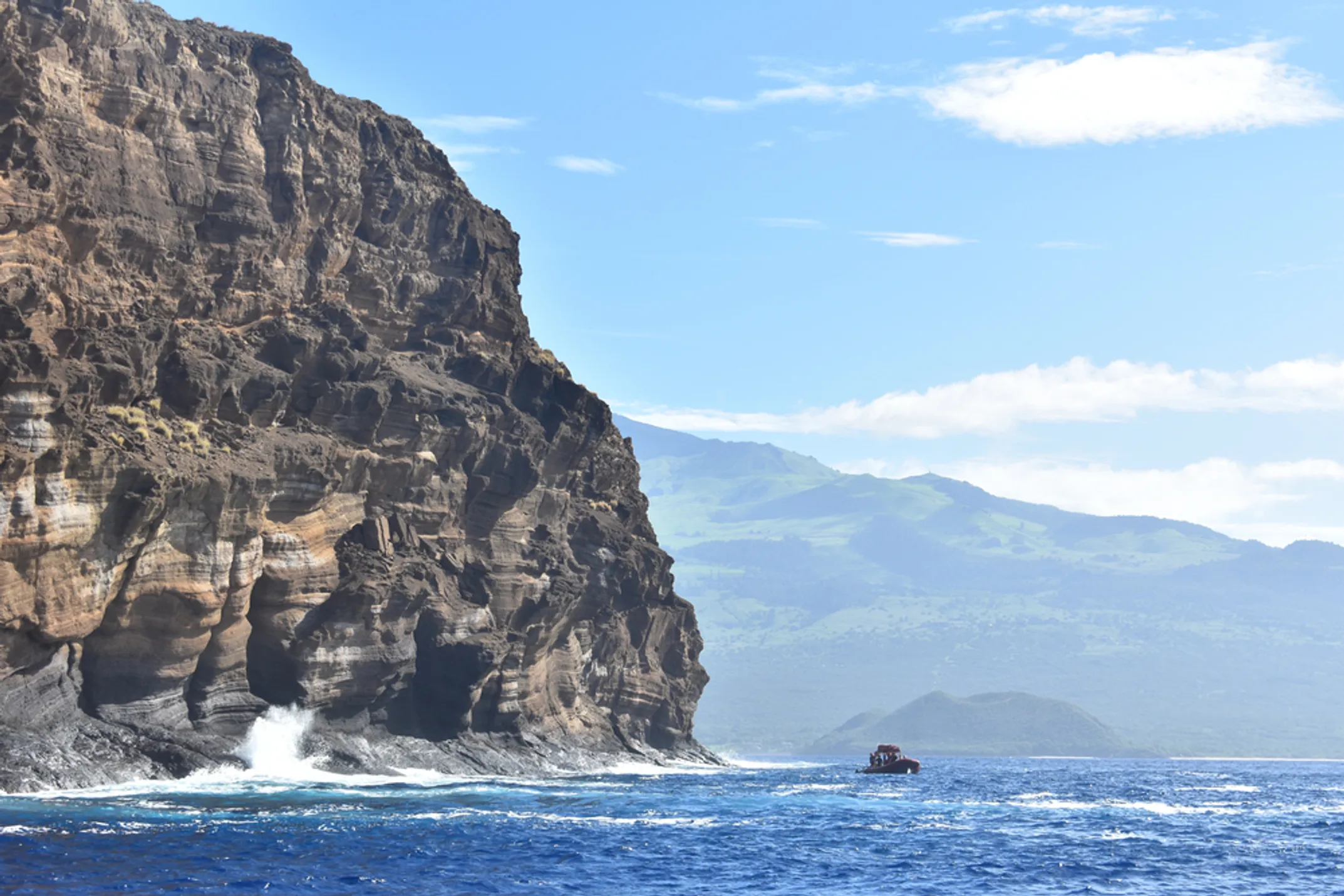
Practical Guide to Molokini
Everything you need to know before you go

Written by a Local Expert
Jade KawanuiPractical Considerations: What to Bring and Wear
Preparing properly for your Molokini adventure can make the difference between a good trip and a great one.
Essential Items to Pack
☀️ Reef-Safe Sunscreen
Hawaii has banned sunscreens containing oxybenzone and octinoxate, which damage coral reefs. Bring mineral-based sunscreen with zinc oxide or titanium dioxide. Apply generously before boarding, as most tours don't allow sunscreen application once you're on the boat.
🧴 Towel
While some tours provide towels, bringing your own ensures you have a dry one for the ride home.
👕 Change of Clothes
You'll be wet for most of the day, so pack dry clothes for the trip back.
📱 Waterproof Case for Electronics
Even if you're not planning to take your phone in the water, spray and splashing can damage electronics on the boat.
💵 Cash for Tips and Photos
Most tour operators offer professional underwater photography services. They typically accept cash only. Also bring cash to tip your crew if they do a great job.
What to Wear
Swimwear
Choose something you're comfortable spending several hours in. One-piece suits or secure bikinis are recommended for women, as the entry and exit from the water can be active.
Sun Protection
A long-sleeved rash guard or wetsuit top is highly recommended. Even with sunscreen, the Hawaiian sun is intense, and you'll be exposed for several hours. The added warmth is also welcome in the water.
Hat
A hat that ties under your chin or has a secure strap is essential. The trade winds can be strong, and losing your hat overboard is a common mishap.
Sunglasses
Polarized sunglasses are ideal for reducing glare off the water.
Items Tours Typically Provide
Most reputable tour operators include snorkel gear (mask, snorkel, and fins), flotation devices, fresh water for rinsing, and some form of refreshment. Higher-end tours may provide wetsuits, underwater cameras, or prescription masks. Always confirm what's included when booking.
Seasonal Considerations: When to Visit Molokini
While Molokini is accessible year-round, each season offers different advantages and challenges.
Winter (December - March)
Winter brings some of the calmest ocean conditions of the year, making it ideal for first-time snorkelers or those prone to seasickness. The trade winds are typically lighter, and the visibility is often at its best. However, this is also peak tourist season, so expect larger crowds and higher prices.
Bonus: Winter is also humpback whale season in Hawaii. While you probably won't see whales at Molokini itself (they prefer deeper waters), you might spot them during the boat ride, especially if departing from Maʻalaea.
Spring (April - May)
Spring offers some of the best conditions of the year. The winter crowds have thinned out, but the ocean conditions remain generally calm. This is often considered the sweet spot for Molokini visits—good weather, reasonable prices, and manageable crowds.
Best Value: Perfect balance of good conditions and fewer tourists
Summer (June - August)
Summer brings more consistent trade winds, which can make afternoon trips rougher but also creates some of the clearest water conditions. The strong trades help keep the water temperature comfortable (around 78-80°F) and can blow away any floating debris. This is peak season for local families, as school is out.
Best Visibility: Strong trades create exceptionally clear water
Fall (September - November)
Fall can be unpredictable. You might encounter the remnants of tropical storms, which can cause rough conditions and reduced visibility. However, when conditions are good, fall can offer some of the most spectacular Molokini experiences, with warm water, excellent visibility, and smaller crowds.
Variable Conditions: Check weather forecasts carefully before booking
Planning Your Complete Hawaii Itinerary
While Molokini is undoubtedly a highlight of any Maui visit, many travelers are exploring multiple islands. If your itinerary includes Oahu, there are two experiences that perfectly complement your Molokini adventure.
While Planning Your Island-Hopping: Pearl Harbor Tours
A tour of Pearl Harbor on Oahu and Punchbowl Crater is a must-do experience that provides crucial historical context to your Hawaiian adventure. Choosing a guided tour is the most efficient way to experience it. Experts handle the schedule, you get deeper insights, and you completely bypass the costs and complexities of parking.
A self-guided visit presents significant logistical challenges that can easily frustrate a visitor on a tight vacation schedule. You are responsible for your own transportation, and the parking lots at the visitor center fill up quickly and have a daily fee. But the biggest hurdle by far is securing tickets for the USS Arizona Memorial program. While entry to the memorial is free, the boat trip out to it requires a timed ticket that must be reserved on Recreation.gov. These tickets are released months in advance and are often fully booked, meaning many independent visitors arrive only to find they cannot access the most important part of the memorial.
Another Great Oahu Option: Adventure at Coral Crater
If you're looking for an adrenaline rush to complement your peaceful water activities, Coral Crater Adventure Park on West Oahu offers the perfect counterpoint. Set in a lush, 35-acre repurposed rock quarry, this park is a playground for thrill-seekers of all ages.
The park offers a range of exciting activities. You can soar through the jungle canopy on their full 6-zipline course, which features lines stretching from 300 to 1,000 feet long. For those who prefer to stay closer to the ground, you can explore rugged dirt trails on their side-by-side ATVs. The centerpiece is the Adventure Tower, an aerial challenge that will test your limits. It features an 18-element high ropes course, a climbing wall, and for the ultimate leap of faith, a 50-foot freefall. With a minimum age of six for many of the activities, it's a place where the whole family can challenge themselves and create incredible memories together.
Common Questions and Concerns
After years of helping visitors plan their Molokini trips, I've noticed the same questions come up repeatedly. Here are the most common concerns and my honest answers.
"I'm not a strong swimmer. Can I still enjoy Molokini?"
Absolutely. All reputable tours provide flotation devices, and the protected waters inside the crater are generally very calm. You can float comfortably on the surface and still see everything clearly through your mask. Many tours also have staff in the water to assist nervous swimmers.
"What if I get seasick?"
Morning tours departing from Kihei have the shortest travel time and calmest conditions. Take seasickness medication 30 minutes before departure if you're concerned. Avoid alcohol the night before, eat a light breakfast, and stay hydrated. Focus on the horizon during the boat ride, and remember that once you're in the calm waters inside the crater, any motion sickness typically disappears.
"Is it worth it if I've snorkeled in the Caribbean or other tropical destinations?"
Yes, but for different reasons. Molokini may not have the massive coral formations you'll find in places like the Great Barrier Reef, but it offers something unique: incredible visibility, fearless marine life, and a truly distinctive geological setting. The fish density and their comfort with humans creates an experience that's hard to replicate elsewhere.
"Can I bring my own snorkel gear?"
Most tours allow you to bring your own gear, and many experienced snorkelers prefer their own properly fitted mask. However, all equipment is provided, so it's not necessary unless you have specific preferences or prescription masks.
"What about reef safety and environmental impact?"
Choose operators that follow strict environmental guidelines, use reef-safe practices, and educate guests about marine conservation. Avoid touching or standing on coral, don't feed fish, and use only reef-safe sunscreen. The tour industry at Molokini is generally very conservation-minded, as they depend on a healthy ecosystem for their livelihood.
The Final Verdict: Is a Trip to Molokini Crater Worth It?
After all is said and done, the question remains: is a trip to Molokini worth the time and expense? As someone who has seen it all, my answer is a resounding—and slightly nuanced—yes.
For Families and First-Time Snorkelers
Absolutely, 100% worth it. There is no better or safer place in Hawaii to be introduced to the magic of the underwater world. The calm, protected water and the sheer density and fearlessness of the fish create an unforgettable core memory. It is the quintessential Maui ocean experience for a reason.
For Serious Scuba Divers
It is worth it, but only if you book a charter specifically going to the Back Wall. The inner crater, while beautiful, may feel too shallow and crowded for your level of experience. The Back Wall, however, is a world-class dive that will not disappoint.
For Budget Travelers
This is where it gets tricky. A Molokini tour is a significant expense. If your budget is tight, I can honestly say that Maui has dozens of incredible snorkeling spots right off the beach that are completely free. You will see amazing things. However, you will not be able to replicate the unique combination of crystal-clear visibility, the dramatic crater setting, and the sheer volume of marine life that Molokini offers. If you can make it work, it's a worthy splurge.
For Return Visitors to Maui
If you've already experienced Molokini on a previous trip, you might consider a different adventure. A snorkel tour to the island of Lanaʻi, for example, offers a completely different experience with dramatic sea cliffs, the chance to see dolphins, and far fewer crowds.
Ultimately, Molokini is more than just a boat trip. It is a chance to swim within a geological wonder, to witness a thriving marine sanctuary reborn from destruction, and to connect with a piece of Hawaii's living history. It's a place of profound beauty that, for most who visit, stays with them long after the salt has dried.
The magic of Molokini isn't just in its pristine waters or abundant marine life. It's in the stories whispered by the trade winds, the legends carved into its volcanic walls, and the conservation success that proves places like this can be saved and restored. When you slip into those crystal-clear waters and find yourself face-to-face with a curious parrotfish or a graceful Moorish idol, you're not just observing marine life. You're participating in a living testament to the power of protection and the enduring beauty of Hawaii.
✅ Packing Checklist
- Reef-safe sunscreen
- Towel
- Dry clothes
- Waterproof case
- Cash for tips
- Rash guard
- Hat with strap
- Sunglasses
📖 Guide Sections
📧 Maui Updates
Get the latest Molokini conditions and Maui adventure tips delivered to your inbox.