Meet the Locals: Molokini's Marine Life
A visual guide to the underwater residents

Written by a Local Expert
Jade KawanuiWith over 250 species of fish, many of them found nowhere else on Earth, the inner crater of Molokini is like a bustling underwater city. Here are a few of the vibrant residents I always look forward to seeing.
The Iconic Residents
Humuhumunukunukuāpuaʻa (Reef Triggerfish)
Our charismatic state fish! You can't miss its angular body, yellow-and-black markings, and bright blue "mustache." Its name, which means "triggerfish with a snout like a pig," is fitting—when it feels threatened, it can make a distinct grunting sound.
Look for: Rocky crevices and coral heads where they wedge themselves for protection
Kihikihi (Moorish Idol)
The definition of aquatic elegance. With its dramatic, disc-shaped body, bold black, white, and yellow bands, and a long, flowing dorsal fin, the Kihikihi is one of the most iconic fish on the reef. They often travel in pairs and use their long snouts to delicately pick sponges and other food from crevices in the coral.
Look for: Pairs gliding gracefully near coral formations
Uhu (Parrotfish)
The tireless gardeners of the reef. You'll often hear the Uhu before you see them. That distinct crunching sound is the noise of their powerful, beak-like teeth scraping algae off the coral. This process is vital for the health of the reef, and the sand they excrete helps create our beautiful white-sand beaches. Look for the stunning males, streaked with brilliant pinks and greens.
Listen for: The distinctive crunching sound of them feeding on coral
Yellow Tang
These vibrant, lemon-yellow fish are impossible to miss. They often travel in large, dazzling schools that move across the reef like a ray of sunshine. They are herbivores, constantly grazing on algae.
Look for: Large schools creating golden waves across the reef
Raccoon Butterflyfish
Named for the black "mask" around its eyes, this beautiful fish has a yellow-orange body with faint diagonal stripes. They are common throughout the crater and are often seen flitting around the coral heads in pairs.
Look for: Pairs near coral formations, easily identified by their distinctive mask
Black Durgon
At first glance, these football-shaped fish appear simply black. But when they catch the sunlight, you'll see stunning iridescent blue and green lines radiating from their eyes and along their fins. They are very common near the surface at Molokini.
Look for: Schools near the surface, watch for the iridescent shimmer in sunlight
Bluefin Trevally (Ulua)
A powerful and beautiful predator. Younger Ulua are often seen patrolling the reef, flashing their electric-blue fins and tails. They can grow up to four feet long and are incredibly fast swimmers.
Look for: Fast-moving fish with brilliant blue fins patrolling the reef edge
Puhi (Moray Eel)
Always a thrilling find! Keep a close eye on the reef's crevices and you might spot a Puhi peering out. They look intimidating, but they are generally shy and pose no threat unless provoked.
Look for: Heads poking out from rocky crevices and coral holes
Trumpetfish
Masters of camouflage. These long, skinny fish can change their color to blend in with their surroundings, often hanging vertically among coral branches to ambush their prey.
Look for: Long, thin fish hanging vertically near coral or following larger fish
What to Expect: A Typical Day at Molokini
Understanding what a typical Molokini trip looks like can help you pack properly and set realistic expectations for your day.
The Journey Out
Most tours depart between 6:30 and 8:00 AM, depending on the operator and season. You'll check in at the harbor or boat ramp about 30 minutes before departure. The crew will provide a safety briefing and distribute snorkel gear. If you're departing from Maʻalaea, expect about an hour of travel time to reach the crater. From Kihei, it's usually 15-30 minutes.
The boat ride itself is part of the experience. You'll cruise past some of Maui's most dramatic coastlines, including the red cinder cone of Puʻu Olai and the flowing lava fields of La Perouse Bay. Keep your eyes peeled for spinner dolphins, which are commonly seen in these waters, especially in the early morning.
Arriving at the Crater
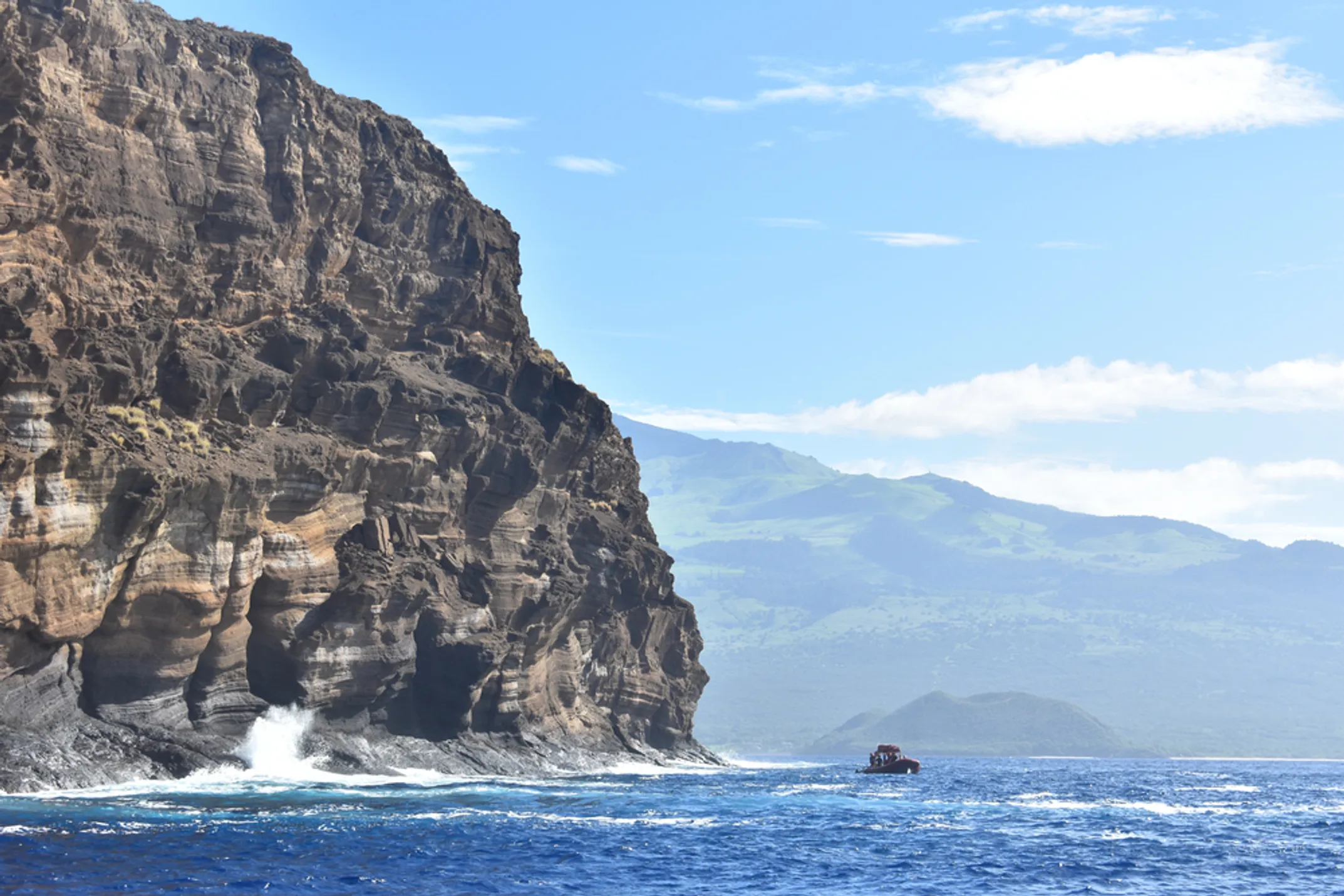
As you approach Molokini, you'll understand why it's such a special place. The contrast is striking—the deep indigo of the open ocean suddenly gives way to brilliant turquoise water inside the crater's protective arms. On calm days, the water is so clear you can see the bottom from the boat.
Most boats anchor (using the required moorings) in the shallow area near the inner reef. The water depth here ranges from about 10 to 60 feet, perfect for snorkeling. You'll typically have 45 minutes to an hour to explore.
In the Water
Entering the water at Molokini is like stepping into an aquarium. The visibility often exceeds 150 feet, and the marine life is both abundant and approachable. Most tours provide flotation devices, so you can relax on the surface and simply drift with the gentle current while observing the underwater world below.
The coral formations are stunning, with healthy growths of finger coral, cauliflower coral, and various species of algae creating a colorful underwater landscape. The fish are remarkably unafraid of humans, often swimming within arm's reach. This habituation is the direct result of decades of protection from fishing and harassment.
The Second Stop
Many Molokini tours include a second snorkel stop, often at a location along Maui's south shore. Popular alternatives include Turtle Town (officially Nahuna), Coral Gardens, or the lava formations at La Perouse Bay. These spots offer different experiences—perhaps the chance to swim with Hawaiian green sea turtles (honu) or explore unique volcanic formations.
Return Journey
The trip back to harbor is when the trade wind factor becomes most apparent. Morning tours usually enjoy calm conditions on both legs of the journey. But if you're on a later departure, the return trip can be significantly rougher as the afternoon winds pick up. The crew typically provides lunch or snacks on the way back, and it's a great time to review your underwater photos and compare notes with fellow passengers.
🐠 Marine Life Stats
- Fish Species: 250+
- Endemic: Many unique
- Coral Types: Multiple species
- Visibility: 150+ feet
📖 Guide Sections
📧 Maui Updates
Get the latest Molokini conditions and Maui adventure tips delivered to your inbox.