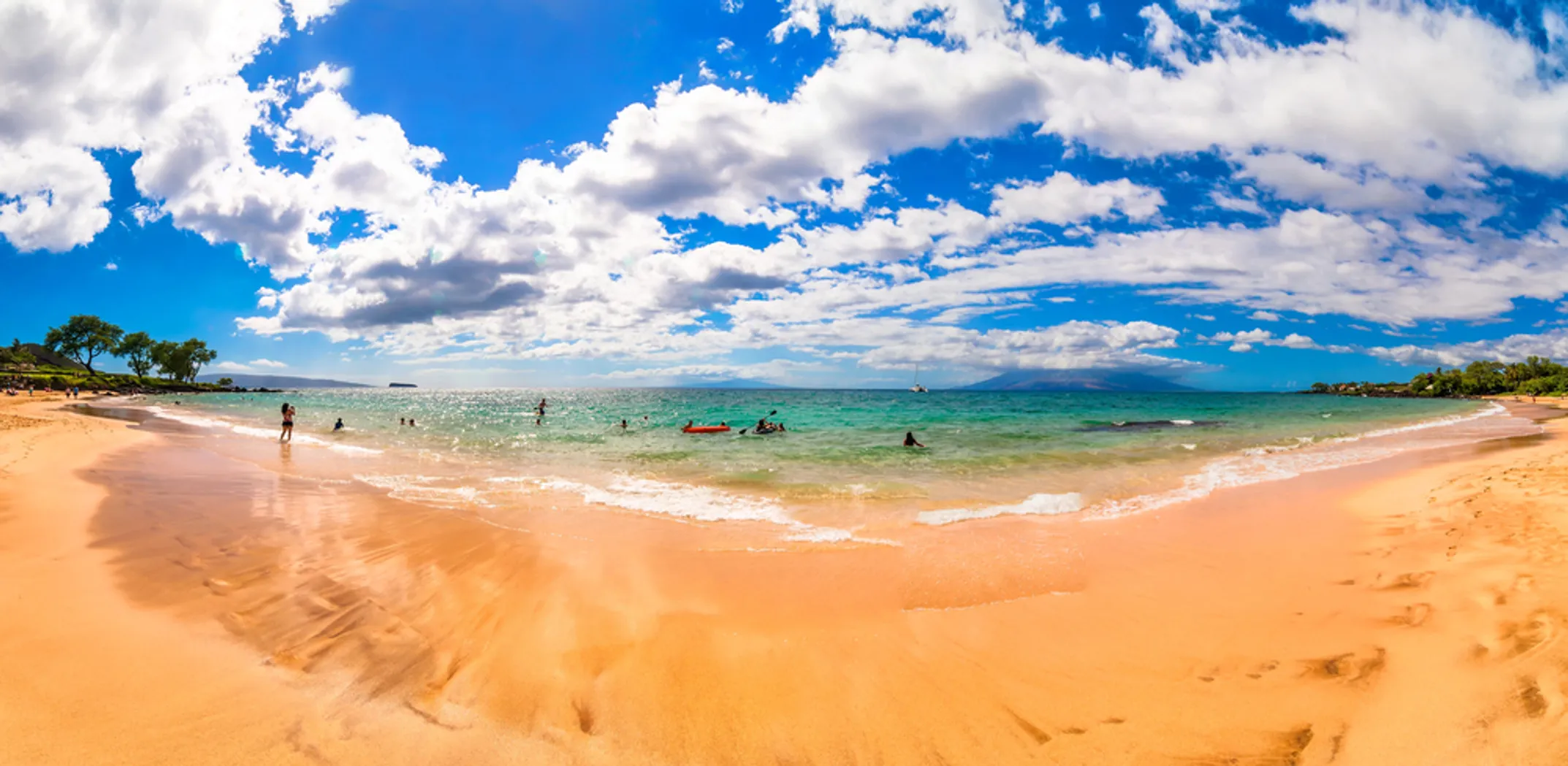
Wildlife & Photography at Mākena
Capturing nature's magic through lens and observation
Written by a Local Expert
Jade KawanuiWildlife and Marine Life at Mākena
Part of Mākena's magic comes from the incredible wildlife that calls this area home.
Marine Life
The waters around Mākena support diverse marine ecosystems despite the challenging conditions. Hawaiian green sea turtles (honu) are common sightings, especially in the calmer waters around Little Beach and Secret Cove. These creatures are protected under federal law, so maintain a respectful distance of at least 10 feet.
Dolphins occasionally visit these waters, and during winter months (December through April), you might spot humpback whales offshore. The whales come to Hawaiian waters to mate, give birth, and nurse their young. Their songs can sometimes be heard underwater even from the beach.
The rocky areas and coral patches support colorful tropical fish species. While Big Beach itself isn't good for snorkeling due to rough conditions, the calmer areas around Little Beach and Secret Cove offer glimpses of this underwater world on calm days.
🐢 Hawaiian Green Sea Turtles (Honu)
Common in calmer waters around Little Beach and Secret Cove. Protected under federal law.
Distance Required: 10+ feet • Best Spots: Little Beach, Secret Cove
🐬 Dolphins
Occasionally visit Mākena waters. Enjoy from a distance and never chase or approach.
Viewing: From shore • Season: Year-round (occasional)
🐋 Humpback Whales
Visible offshore during winter months. You may even hear their songs underwater from the beach.
Season: December-April • Distance: 100+ yards required
🦭 Hawaiian Monk Seals
Critically endangered. Occasionally haul out on the beach to rest. Contact authorities if spotted.
Distance Required: 50+ feet • Status: Critically endangered
Land Wildlife
The terrestrial wildlife at Mākena includes both native and introduced species. Hawaiian monk seals occasionally haul out on the beach to rest. These are critically endangered animals, so if you see one, maintain at least 50 feet distance and contact authorities.
Seabirds are common, including native species like the Hawaiian stilt and introduced species that have adapted to island life. The kiawe trees that provide sparse shade are actually introduced plants, but they've become an important part of the ecosystem.
Photography Tips for Mākena
As someone who makes a living capturing Maui's beauty, I have some specific advice for photographing Mākena responsibly and effectively.
Best Times for Photography
☀️ Golden Hour Magic
The hour after sunrise and before sunset provides the most dramatic lighting. The golden light makes the red cinder cone glow and turns the blue water into liquid sapphire. For sunrise shots, arrive at least 30 minutes early to set up and capture the changing light.
🌞 Midday Drama
While harsh midday sun isn't usually ideal for photography, it can work at Mākena. The intense light creates dramatic contrasts between the white sand, black lava rock, and deep blue water. Use polarizing filters to cut glare and enhance colors.
Composition Techniques
- → Use the Cinder Cone: Puʻu Ōlaʻi makes an excellent focal point and provides scale to show the beach's immense size. Try framing shots with the cone off to one side rather than centering it.
- → Include Foreground Elements: Black lava rocks, driftwood, or the distinctive kiawe trees can create depth in your compositions. These elements help lead the eye through the frame and provide context for the scale.
- → Capture the Power: Try to photograph the waves in action, but do it safely from a distance. Use fast shutter speeds to freeze the spray, or slower speeds to show the motion blur of the water.
Equipment Recommendations
🛡️ Protect Your Gear
Salt spray and sand are camera killers. Bring lens cloths, plastic bags for protection, and be prepared to clean your equipment thoroughly after the beach.
📷 Wide-Angle Lenses
The scale of Mākena demands wide-angle lenses to capture the full scope. A 16-35mm lens (full-frame equivalent) is ideal for most shots.
🔍 Filters
Polarizing filters are essential for cutting through glare and enhancing color saturation. Neutral density filters can help you use slower shutter speeds for artistic wave motion effects.
Respect and Responsibility
Little Beach Photography Ban
Never photograph people at Little Beach, clothed or otherwise. This is a hard rule that protects everyone's privacy and maintains the respectful atmosphere.
Wildlife Photography Ethics
Maintain proper distances from all wildlife. Use telephoto lenses instead of getting closer. Never disturb animals for a better shot.
Cultural Sensitivity
If you see people engaged in cultural practices or ceremonies, respect their privacy and don't photograph without permission.
Complete Your Mākena Journey
Discover weather patterns, cultural significance, and final tips for an unforgettable experience.
🐢 Wildlife Viewing
Sea Turtles:
Little Beach & Secret Cove
10+ feet distance
Monk Seals:
Rare beach sightings
50+ feet distance
Humpback Whales:
December-April offshore
Visible from shore
📸 Photo Essentials
- Best: Golden hour (sunrise/sunset)
- Bring: Wide-angle lens
- Use: Polarizing filter
- Protect gear from salt spray
- NO photos at Little Beach
📑 Guide Sections
📧 Wildlife Updates
Get wildlife sightings and photo tips.