Weather & Cultural Significance
Understanding Mākena's patterns and honoring its sacred heritage

Written by a Local Expert
Jade KawanuiWeather Patterns and Best Times to Visit
Understanding Mākena's weather patterns can help you plan the perfect visit and stay safe in changing conditions.
Year-Round Climate
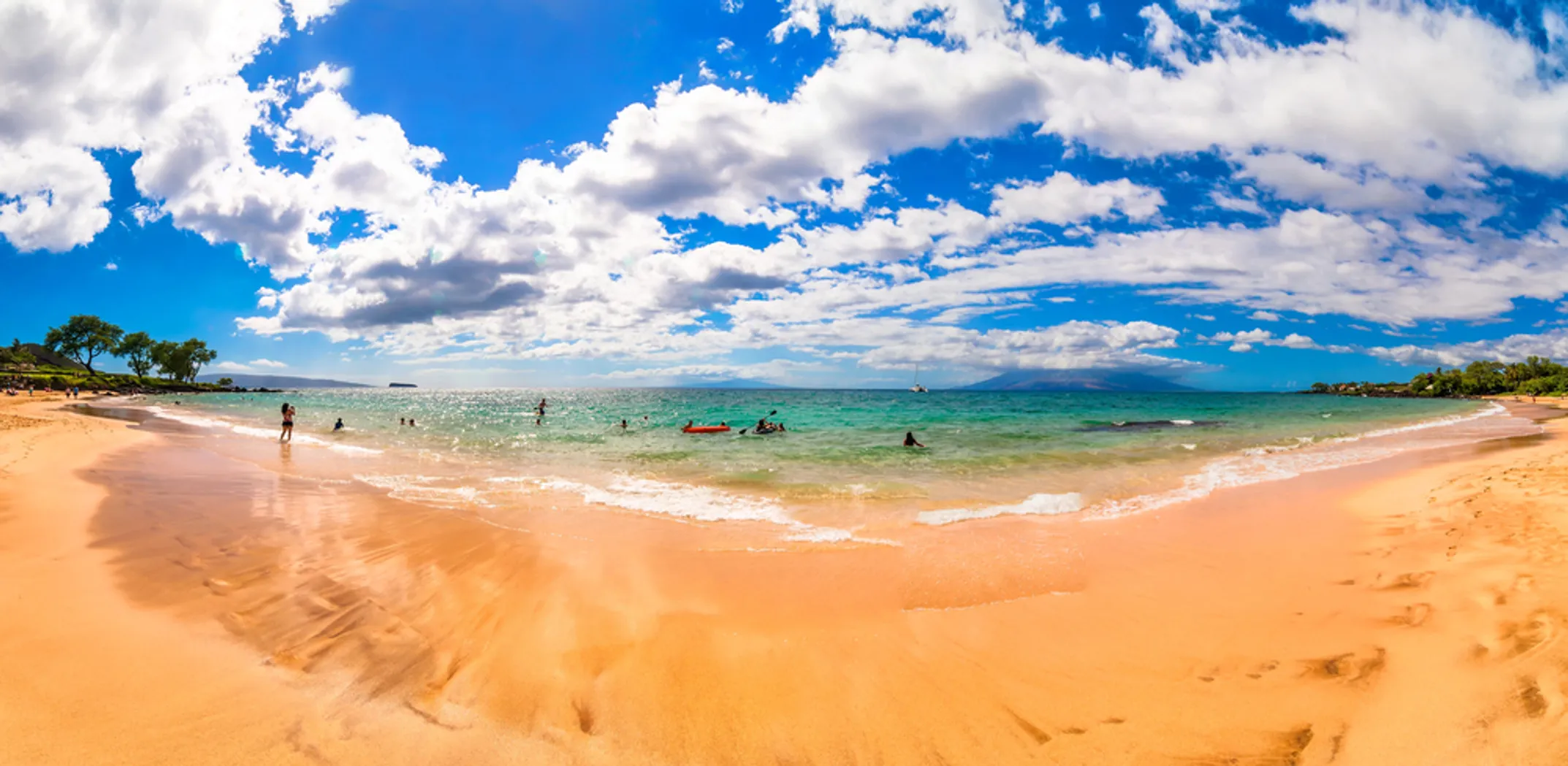
Mākena enjoys typical South Maui weather patterns. It's located in the rain shadow of Haleakalā volcano, which means it receives less rainfall than windward areas. This creates consistently sunny, dry conditions that make it attractive year-round.
Average temperatures range from the mid-70s to mid-80s Fahrenheit throughout the year. Trade winds provide natural cooling, but they can also create choppy ocean conditions that make the already dangerous shorebreak even more hazardous.
Seasonal Variations
☀️ Summer (May-September)
Summer typically brings smaller waves and calmer conditions, but don't let this fool you into thinking Mākena is safe. Even summer swells can be dangerous due to the shorebreak physics. These months see the highest visitor numbers, so arrive early for parking.
Water Temp: ~80°F • Crowds: High • Hours: Extended to 7:45pm
❄️ Winter (October-April)
Winter months bring larger swells from North Pacific storms. Wave heights increase significantly, making the shorebreak even more dangerous. However, this is also when you're most likely to see humpback whales offshore.
Water Temp: ~75°F • Whales: Dec-Apr • Waves: Larger
Daily Weather Patterns
🌅 Morning Conditions
Mornings often have the calmest conditions as offshore winds haven't yet developed. This is typically the safest time for any water activities and the best time for photography.
🌞 Afternoon Changes
As the day heats up, onshore winds develop, creating choppier conditions. These afternoon winds can make the shorebreak more unpredictable and dangerous.
🌅 Evening Calm
Conditions often calm again in the evening as winds die down, creating beautiful sunset opportunities.
Cultural Significance and Respect
Mākena isn't just a pretty beach—it's a place of deep cultural significance to Native Hawaiians. Understanding and respecting this cultural dimension is part of being a responsible visitor.
Ancient Hawaiian Connections
The name Mākena comes from Hawaiian words meaning "abundance" or "many gathered." This area was historically important for fishing, gathering, and as a waypoint for canoe travel between islands. The prominent Puʻu Ōlaʻi cinder cone served as a navigational landmark for ancient Polynesian voyagers.
Archaeological evidence shows Native Hawaiians lived and worked in this area for centuries before Western contact. The lava rock platforms and walls you see aren't just geological features—many were built by Hawaiian hands for practical and ceremonial purposes.
Modern Cultural Practices
Today, Mākena remains important to Native Hawaiian cultural practitioners. Some come here for traditional fishing, gathering of seaweed and salt, and spiritual practices. You might see people conducting ceremonies or making offerings to the ocean.
As visitors, we should respect these practices by giving people space and not interrupting or photographing ceremonies. This is part of practicing mālama ʻāina—caring for the land and respecting its cultural significance.
Environmental Stewardship
The concept of mālama ʻāina extends to environmental care. Mākena's ecosystem is fragile and irreplaceable. The beach, coral reefs, and surrounding vegetation support numerous native species, some found nowhere else on Earth.
Simple Actions Make a Big Difference
- ✓ Use only reef-safe sunscreen
- ✓ Don't touch or step on coral
- ✓ Pack out all trash
- ✓ Stay on designated trails
- ✓ Don't disturb wildlife
- ✓ Avoid disturbing sand dunes and vegetation
Final Thoughts: Mālama Mākena (Caring for Mākena)
Mākena is more than just a beach. It's a piko—a center of natural and cultural energy. It offers a precious glimpse of undeveloped, wild Hawaii, a place of immense beauty and undeniable power. It reminds us that we are guests in a realm far older and stronger than ourselves.
I hope this article helps you experience its magic safely and respectfully. Enjoy the feeling of warm sun on your skin, the breathtaking beauty of turquoise water, and the majesty of this incredible place. But please, carry this one thought with you above all others: never, ever turn your back on the ocean.
When planning your visit, remember that the most beautiful experiences often come with the greatest risks.
The same forces that created Mākena's stunning beauty—volcanic activity, powerful ocean swells, and geological processes millions of years in the making—also created its dangers. Respect these forces. Understand them. Work with them rather than against them. The ocean doesn't care about your vacation plans or your confidence level. It operates by laws far older and more powerful than human desires.
Mākena is a gift. When you visit, please treat it as such. Practice mālama ʻāina—care for the land. Pack out everything you bring in. Stay on marked trails. Respect cultural sites. Leave this sacred place just as beautiful as you found it for generations to come.
Most importantly, go home safe. Take with you memories of incredible beauty, the humbling power of nature, and a deeper respect for the forces that shape our world. These are the souvenirs that last a lifetime.
The ocean will always be here, powerful and beautiful and dangerous. We are just temporary visitors in its realm. Visit with respect, leave with gratitude, and carry Mākena's lessons with you wherever you go.
Mahalo for listening and for helping us care for Mākena.
A hui hou (until we meet again),
Jade
Thank You for Exploring Mākena
Review any section of this guide or return to the overview to plan your safe and respectful visit.
🌤️ Weather Summary
Year-Round Temp:
75-85°F
Best Season:
Summer (calmer waves)
Whale Season:
December-April
Best Time:
Early morning
🌺 Mālama ʻĀina
Care for the land and respect cultural practices
- Respect cultural ceremonies
- Leave no trace
- Protect native species
- Stay on trails
📑 Guide Sections
📧 Stay Connected
Get Hawaii travel tips and cultural insights.