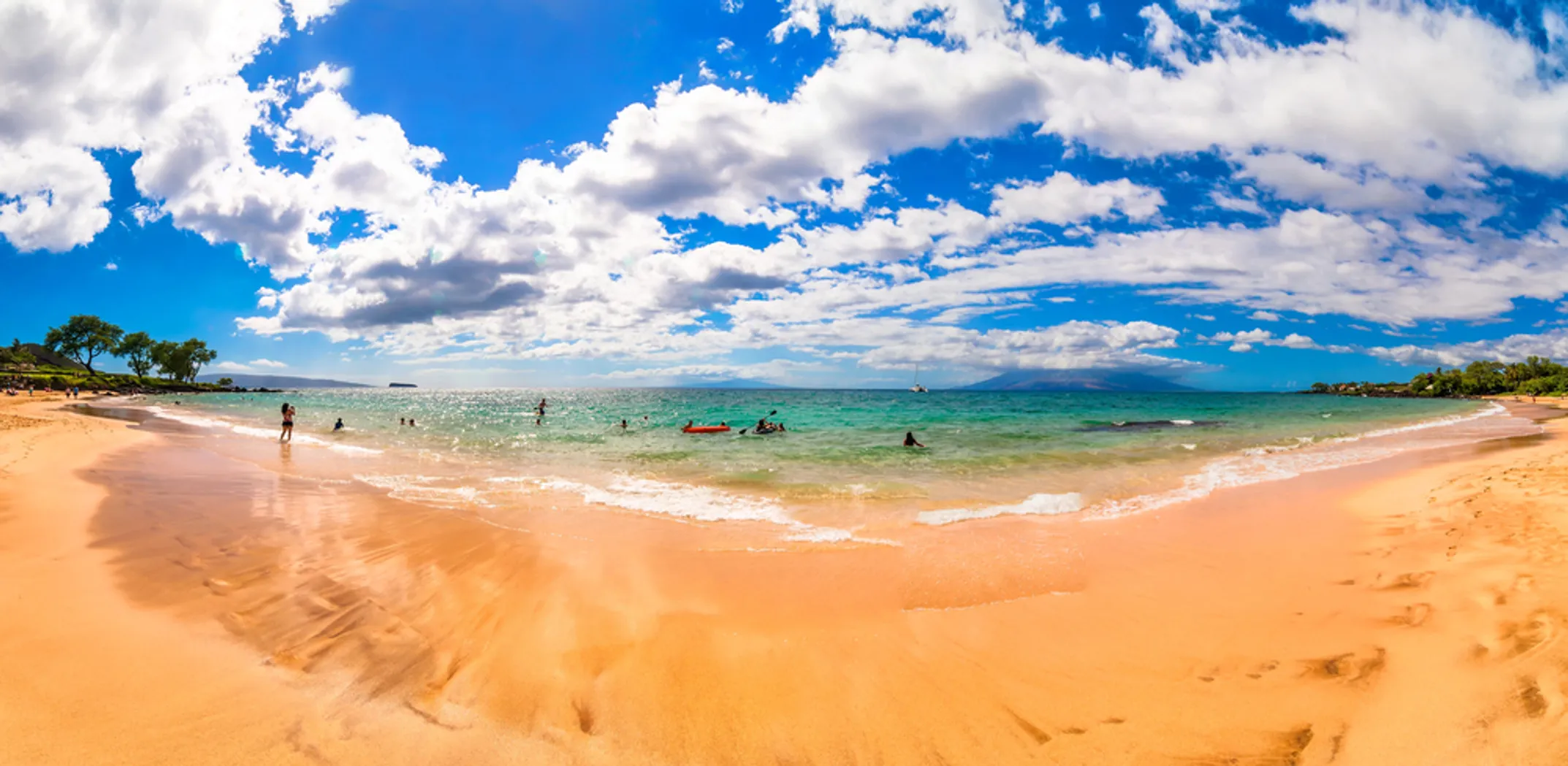
Mākena Beach Safety Guide
Understanding and surviving Hawaii's most dangerous shorebreak

Written by a Local Expert
Jade KawanuiThe Unvarnished Truth: Why Mākena Is Hawaiʻi's Most Dangerous Beach
Before we talk about the incredible beauty, we absolutely must discuss safety. As someone born and raised here, nothing matters more to me than making sure you understand this place's power. This isn't just another pretty beach. It's a place that has changed lives in an instant.
Please read this section carefully. It's the most critical part of this entire article.
Ground Zero for Spinal Injuries
Most travel guides mention that Big Beach has powerful waves. That's putting it mildly. Here's the stark fact they often skip: According to an official County of Maui proclamation, Mākena Beach caused 40 spinal cord injuries between 2009 and 2017. That made it the number one beach for spinal cord injuries in all of Hawaiʻi.
This isn't some generic "be careful" warning.
This is hard, documented evidence. You're standing at the most dangerous beach of its type in the entire island chain. Understanding ocean behavior at Mākena isn't optional. It's absolutely essential for your safety.
Understanding Shorebreak: When Small Waves Become Deadly
The term you'll hear constantly at Mākena is "shorebreak." You need to understand exactly what this means. A shorebreak wave doesn't gradually lose energy as it approaches shore. Instead, it unleashes its full Pacific Ocean power directly onto the sand, often in very shallow water.
This happens because of the rapid transition from deep to shallow water at Big Beach. The danger isn't wave height. It's the concentrated, brutal power. Research from Hawaiʻi ocean safety officials shows that the average wave height during spinal cord injuries is only 3 feet.
Think about that. Three feet. Waves that don't look particularly intimidating to visitors. But the physics are devastating. Hawaiʻi sits in the middle of the world's largest ocean with no continental shelf to slow waves down. They arrive carrying all their deep-water energy, then violently discharge it at the water's edge.
Picture the force of a small car hitting your legs and driving you head-first into concrete. That's the kind of power we're talking about, even when you're standing in ankle-deep water.
Real Stories From Real People
These aren't abstract warnings. They come from real, often tragic experiences of people who visited this exact beach. Reading their accounts helps you learn Mākena's lessons without suffering the consequences.
"She bruised her spinal cord and has burning pain that runs down her arms."
— Visitor describing his wife's injury
"My husband suffered a spinal cord injury from this beach in 2013 as he was knocked down by the wave and was pushed to the ocean floor. He was paralyzed from neck down."
— Spouse of injured visitor
"I remember thinking clearly that there's no way I'm not breaking my neck and surviving this in one piece."
— Visitor caught in shorebreak
These aren't just stories. They're cautionary tales from people whose vacations and lives changed forever at this beach. Their experiences are gifts of knowledge. We honor them by listening and learning.
How to Survive a Shorebreak: Step-by-Step Survival Guide
If you find yourself facing an incoming wave at Big Beach, your instincts might betray you. Here's what water safety experts and experienced watermen advise:
❌ NEVER Turn Your Back on the Ocean
This is the cardinal rule at any Hawaiian beach, but it's especially critical here. A larger "sneaker" wave can appear suddenly without warning, catching you off guard when you're looking away.
❌ DO NOT Run From the Wave
Your first instinct will be turning and running back toward the sand. This is the worst thing you can do. The wave will overtake you from behind and slam you face-first into the sand.
✅ DO Dive Under the Wave
The safest technique is facing the wave, moving toward it, and diving under as it begins to crest. Go as low as possible, close to the sand. The powerful energy passes harmlessly over you.
✅ DO Protect Your Head and Neck
If you get caught and tumbled by the wave, curl into a ball. Bring your arms up to cover your head and neck, protecting them from impact with the hard, compacted sand.
✅ STAY CALM
Panicking wastes precious oxygen and energy. If you're held under, try staying as relaxed as possible. The turbulence will eventually subside and push you toward shore.
Your Safety Net: Big Beach Lifeguards
There's a reason Mākena State Park has multiple lifeguard towers. Their presence directly acknowledges the extreme danger. Lifeguards are only stationed at Big Beach, not at Little Beach or Makena Cove.
Big Beach lifeguard towers are staffed daily from 8 am to 4:45 pm. These lifeguards rank among the best watermen and women on the planet. Their presence isn't an invitation to be reckless. It's testament to the danger.
Make your first stop a visit to a lifeguard tower.
Before you even lay down your towel, ask them about current conditions. They can tell you about currents, wave patterns, and specific hazards. Follow their advice as if your life depends on it, because it might.
Critical Warning for Families
Let me be crystal clear: The powerful shorebreak at Big Beach makes it extremely dangerous and unsuitable for children and inexperienced swimmers. Even wading in shallow wash can be treacherous. A sudden wave can easily sweep a small child off their feet.
Please don't risk it. Many wonderful, safer beaches sit just minutes away in Wailea and Kihei. Consider the Kamaʻole Beach Parks or Keawakapu Beach instead.
Continue Exploring Mākena
Now that you understand the safety considerations, explore the beaches, hidden spots, and practical planning information.
⚠️ Emergency Contacts
-
Life-Threatening Emergency:
Call 911
-
Ocean Safety:
(808) 270-7840
-
Lifeguard Hours:
8am - 4:45pm daily
🌊 Quick Survival Tips
- Never turn your back
- Don't run from waves
- Dive under incoming waves
- Protect head & neck
- Check with lifeguards first
- Stay calm if caught
📑 Guide Sections
📧 Safety Updates
Get critical beach safety updates and local tips.