Understanding ʻOheʻo Gulch
Water, Rock, and Respect: The Science and Safety of Kīpahulu

Written by a Local Expert
Jade KawanuiUnderstanding ʻOheʻo Gulch: Water, Rock, and Respect
To truly appreciate Kīpahulu, it helps to understand the forces that shaped it. The stunning landscape of ʻOheʻo Gulch is the result of a timeless interplay between volcanic rock and relentless freshwater, creating a unique environment that demands our respect.
The Science of the Pools: Geology and Ecology
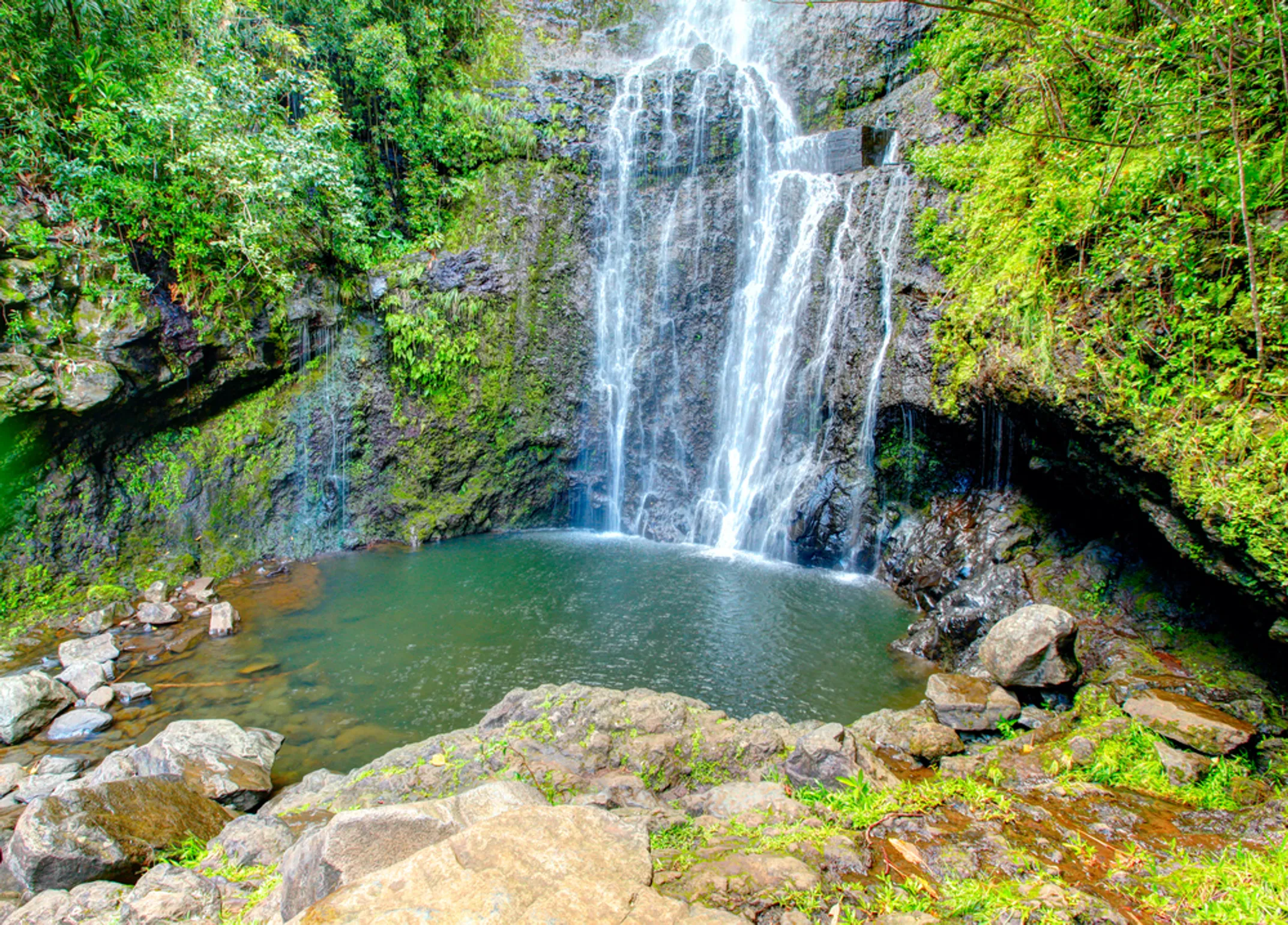
The dramatic, tiered pools of ʻOheʻo were not carved overnight. For countless millennia, the Pīpīwai and Palikea streams have flowed down from the wet, eastern slopes of Haleakalā. As the water traveled over layers of ancient lava flows, it slowly eroded the softer rock, creating the deep gulch we see today.
At points where the water drops over a harder layer of rock, a waterfall forms. Over time, the force of the falling water carves out a deep basin at its base, known as a "plunge pool." This process, repeated over and over, is what created the beautiful string of pools that define ʻOheʻo.
These streams are more than just stunning to look at. They are vital ecological sanctuaries. In the middle of the vast Pacific Ocean, they are precious ribbons of freshwater habitat. They are home to unique endemic species that have evolved remarkable adaptations.
The native ʻoʻopu (a type of goby fish) and ʻōpae (shrimp) are born in the streams, are washed out to the ocean as larvae, and then make an incredible journey back upstream to mature and reproduce, with some species of ʻoʻopu famously using their fins to climb the wet rocks beside the waterfalls. This fragile, interconnected ecosystem depends on the clean, flowing water of the streams—a perfect example of the mauka-to-makai (mountain to sea) connection.
Swimming Safety: The Unambiguous Truth
Let's address the most common question about this destination directly. You will see old photos online, read outdated guidebooks, and hear stories of people swimming in these pools. It is my responsibility to provide you with the current, official, and safe information.
Can you swim in the Pools of ʻOheʻo?
The official and non-negotiable answer from the National Park Service is NO.
The pools are indefinitely closed to all public entry, including swimming, wading, and standing under waterfalls. This is not a temporary or weather-dependent closure. It is a long-term safety measure. The reasons are serious and life-threatening:
⚡ Flash Floods
A wall of water can come down the gulch with no warning, even on a sunny day at the coast while it rains upstream.
🪨 Falling Rocks
The cliffs of the gulch are unstable, and falling rocks are a constant, silent danger that has caused fatalities.
⚠️ History of Accidents
There have been numerous serious injuries and deaths in the gulch over the years from people ignoring the dangers.
He Wai Makamaka ʻOle
"Water recognizes no friend" - This powerful Hawaiian proverb reminds us that the ocean and streams do not discriminate. No matter how experienced you are, how strong a swimmer, or how careful you think you're being, the water follows its own rules. Please, do not be tempted to ignore the signs or climb over barriers. The risk is not worth it. By respecting the closure, you are not only protecting yourself but also showing respect for the ʻāina and the park rangers who work to keep everyone safe.
How to Experience the Pools Safely
The closure to swimming does not mean you cannot experience the beauty of the pools. The National Park Service has provided a perfect way to do so safely. The Kūloa Point Trail is a short, easy, and accessible 0.5-mile loop that starts near the visitor center.
This trail offers spectacular and completely safe views of the lower pools of ʻOheʻo and the dramatic coastline where the freshwater stream finally meets the saltwater of the Pacific Ocean. It's a beautiful walk that allows you to witness the power and beauty of the gulch without putting yourself in harm's way.
🥾 Kūloa Point Trail
- • 0.5-mile easy loop
- • Views of lower pools
- • Ocean meeting freshwater
- • Wheelchair accessible
- • Safe for all ages
🏔️ Pīpīwai Trail
- • 4-mile moderate hike
- • Makahiku Falls overlook
- • Bamboo forest experience
- • Waimoku Falls finale
- • Safe viewing areas
Continue Your Journey
Discover the rich cultural history and practical planning tips for your visit to Kīpahulu.
⚠️ Swimming Prohibited
The Pools of ʻOheʻo are indefinitely closed to all swimming, wading, and water entry.
- • Flash floods without warning
- • Falling rocks from cliffs
- • Multiple fatalities recorded
- • Federal law enforcement
✅ Safe Viewing
Kūloa Point Trail
0.5-mile easy loop with pool views
Pīpīwai Trail
4-mile hike to waterfalls
Visitor Center
Educational exhibits & rangers
🐟 Native Species
ʻOʻopu (Goby Fish)
Climbs waterfalls with fins
ʻŌpae (Native Shrimp)
Freshwater ecosystem key
Mauka-Makai
Mountain to sea connection