Planning Your Visit
Weather, Photography, and Your Complete Hawaiian Adventure

Written by a Local Expert
Jade KawanuiWeather and Best Times to Visit
Understanding Kīpahulu's weather patterns is crucial for planning your visit. The climate here is tropical but can vary dramatically throughout the day and across seasons.
Seasonal Patterns
The area experiences two main seasons. The dry season (kau) runs from April to October, while the wet season (hooilo) spans November through March. However, these distinctions are more nuanced in East Maui's rainforest climate.
During the dry season, mornings are typically clearer with afternoon cloud buildup. This makes early morning the ideal time to start your journey. The wet season brings more consistent rainfall, but it also means lusher vegetation and more dramatic waterfalls.
☀️ Dry Season (Apr-Oct)
- • Clearer morning skies
- • Afternoon cloud buildup
- • Less rainfall overall
- • Best for photography
- • More crowded
🌧️ Wet Season (Nov-Mar)
- • More consistent rainfall
- • Lusher vegetation
- • Dramatic waterfalls
- • Fewer crowds
- • Muddier trails
Daily Weather Rhythms
East Maui's weather follows predictable daily patterns that smart visitors use to their advantage. Trade winds typically strengthen in the afternoon, bringing clouds and potential rain. Morning hours often provide the clearest skies and best views.
The temperature remains relatively stable year-round, ranging from the mid-60s to low 80s Fahrenheit. However, the humidity can be intense, especially during the hike through the bamboo forest where air circulation is limited.
Microclimates Along the Trail
The Pīpīwai Trail passes through several distinct microclimates. The lower sections near the visitor center are typically warmer and drier. As you gain elevation and enter the bamboo forest, temperatures drop and humidity increases significantly. At Waimoku Falls, the mist from the waterfall creates its own microclimate, often 5-10 degrees cooler than the surrounding area. This is why bringing layers is always wise, even on warm days.
Flora and Fauna: The Living Ecosystem
The trail to Waimoku Falls is not just a hike. It's a journey through one of Hawaiʻi's most diverse ecosystems, where native and introduced species create a complex web of life.
Native Plants and Their Stories
Along the trail, you'll encounter several native Hawaiian plants, each with its own cultural significance. The kukui tree, with its distinctive light-green leaves, was incredibly valuable to ancient Hawaiians. Its nuts provided oil for lamps and torches, while its bark was used for dyes.
The native koa trees, with their distinctive crescent-shaped leaves, were prized for canoe building. These massive trees can live for centuries, and seeing them towering over the trail connects you to the forest that existed long before human settlement.
Hapu'u tree ferns create a prehistoric atmosphere along the trail. These ancient plants can grow 20 feet tall and live for decades. Their fiddlehead fronds (ho'i'o) were traditionally eaten as vegetables and are still enjoyed today.
The Bamboo Forest Ecosystem
The bamboo forest represents a fascinating example of how introduced species can become integral to a landscape's character. This bamboo was planted by Asian plantation workers who needed the strong, flexible poles for construction and tools.
Today, this bamboo forest has become habitat for numerous bird species and creates one of the most magical hiking experiences in Hawaiʻi. The way it filters light and creates natural wind chimes demonstrates how introduced species can sometimes enhance rather than diminish an environment's beauty.
Wildlife Encounters
While hiking the Pīpīwai Trail, keep your eyes and ears open for the area's wildlife. Native birds like the Hawaiian hoary bat (ʻōpeʻapeʻa) and Hawaiian goose (nēnē) call this area home, though sightings are rare.
More commonly, you'll hear the calls of introduced birds like the white-rumped shama and Japanese white-eye, whose songs add to the forest's soundtrack. Wild pigs (pua'a) also inhabit the area, though they're typically nocturnal and avoid human contact. In the streams, if you look carefully, you might spot the native ʻoʻopu gobies climbing the wet rocks. These remarkable fish use their modified fins to scale waterfalls, one of nature's most impressive adaptations.
Photography and Memories: Capturing Kīpahulu
As someone who makes a living behind the lens, I'm often asked about the best ways to photograph Kīpahulu. The key is understanding that this landscape has moods and that timing and technique make all the difference.
The Golden Hours
The hour after sunrise and before sunset provide the warmest, most flattering light. However, reaching Kīpahulu at sunrise requires leaving your accommodation before dawn, which few visitors are willing to do. Late afternoon light, around 4-5 PM, can be magical if clouds haven't moved in.
Waterfall Photography Techniques
For waterfalls like Makahiku and Waimoku, consider using a polarizing filter to reduce glare and enhance colors. A neutral density filter allows for longer exposures, creating that silky water effect that makes waterfalls look so dreamy in photos.
However, remember that the most important element is safety. Never venture beyond designated viewing areas for a photo. The best shots are often possible from safe locations if you take time to explore different angles.
Bamboo Forest Challenges
The bamboo forest presents unique photographic challenges. Light levels are low, and the dense vegetation can make composition difficult. Look for natural frames created by the bamboo stalks, and don't forget to look up—the canopy creates beautiful patterns against the sky.
Respecting Sacred Spaces
When photographing archaeological sites, remember that these are sacred places. Always ask permission if you're photographing people, especially local residents. Some families prefer not to have their cultural practices documented by visitors.
Planning Your Complete Hawaiian Adventure
Your journey to Kīpahulu will undoubtedly be a highlight of your time on Maui, connecting you to the island's natural and cultural heart. But the spirit of adventure in Hawaiʻi extends across all our islands, offering a perfect balance of serene beauty and heart-pounding excitement.
As you plan your complete Hawaiian itinerary, here are my top recommendations for unforgettable experiences that complement your Kīpahulu adventure.
For History Buffs: Pearl Harbor and Punchbowl Crater
While planning your island-hopping adventure, a tour of Pearl Harbor on Oʻahu and Punchbowl Crater is absolutely essential. This experience provides crucial historical context that deepens your understanding of Hawaiʻi's role in world events.
Choosing a professionally guided tour is the most efficient way to experience Pearl Harbor. Expert guides handle all the complex logistics, provide deep historical insights, and completely bypass the costs and complications of parking and navigating the reservation system on your own.
Pearl Harbor National Memorial offers a powerful and solemn experience that every visitor should have. A professional guide is essential for navigating the multiple historic sites—including the visitor center museums, the USS Oklahoma Memorial, and Battleship Row—and for understanding the full, complex story of the December 7, 1941 attack that drew the United States into World War II.
The highlight for many is the program to visit the USS Arizona Memorial, which rests above the sunken battleship. While the program itself is free, it requires timed reservations that are extremely difficult to secure on your own. A quality tour company handles these logistics for you, ensuring you have a seamless and meaningful visit.
The National Memorial Cemetery of the Pacific, known as Punchbowl Crater, has dual significance that many visitors miss without a guide. Its Hawaiian name is Puʻowaina, meaning "Hill of Sacrifice," as it was a place of human sacrifice in ancient times. Today, it is the final, serene resting place for thousands of American service members who have sacrificed their lives in service to the country. A guided tour provides invaluable historical context for both its ancient and modern history, making a visit to this beautiful and revered site a much more profound experience.
For Thrill-Seekers: Coral Crater Adventure Park
After the serene, natural beauty of Kīpahulu, you might be craving a different kind of excitement. For the best adrenaline rush in the islands, Coral Crater Adventure Park on Oʻahu is the perfect high-energy contrast to the peaceful rainforests of East Maui.
This professionally managed adventure hub offers a full day of excitement in one location. Their ATV tours let you pilot your own side-by-side vehicle through rugged jungle trails, navigating challenging terrain for an exhilarating off-road experience.
The zipline course features six lines stretching up to 1000 feet long with modern, automatic braking systems, making it safe and thrilling for both first-timers and experienced zipliners.
For the ultimate challenge, the Adventure Tower features a 60-foot high ropes obstacle course, two 50-foot climbing walls, and the ultimate test of courage: a 50-foot controlled freefall that will take your breath away. With activities suitable for ages 6 and up, Coral Crater is perfect for families, couples, and any visitor looking to add serious adventure to their Hawaiian vacation.
Conclusion: Visiting Kīpahulu with Aloha and Pono
My hope is that when you leave Kīpahulu, you take with you more than just beautiful photographs. I hope you carry the feeling of the cool mist from Waimoku Falls, the sound of the bamboo forest, and a deeper understanding of the land and its people.
The true gift of visiting the Pools of ʻOheʻo is not about swimming in them, but about hiking the Pīpīwai Trail, feeling the history of the ahupuaʻa beneath your feet, and witnessing the untamed beauty of the place where the life-giving freshwater of Haleakalā meets the vast Pacific Ocean.
This is a place of power, a place that demands respect and preparedness. The safest, most respectful, and most memorable way to experience the wonder of Kīpahulu is with a local guide. They are not just drivers. They are storytellers, cultural ambassadors, and your safety experts.
They ensure you leave not just as a visitor, but as a friend who has gained a deep and lasting connection to the ʻāina. This is the path to a truly pono—a balanced, righteous, and unforgettable—travel experience.
Whether you're drawn by the thundering waterfalls, the mystical bamboo forest, or the rich cultural history, Kīpahulu offers something that touches the soul. It's a place where the modern world falls away and you're left with the raw beauty and power that shaped these islands millions of years ago.
The trails here don't just lead to destinations. They lead to understanding. Each step on the Pīpīwai Trail is a step back in time, through layers of history, culture, and natural wonder that few places on Earth can match.
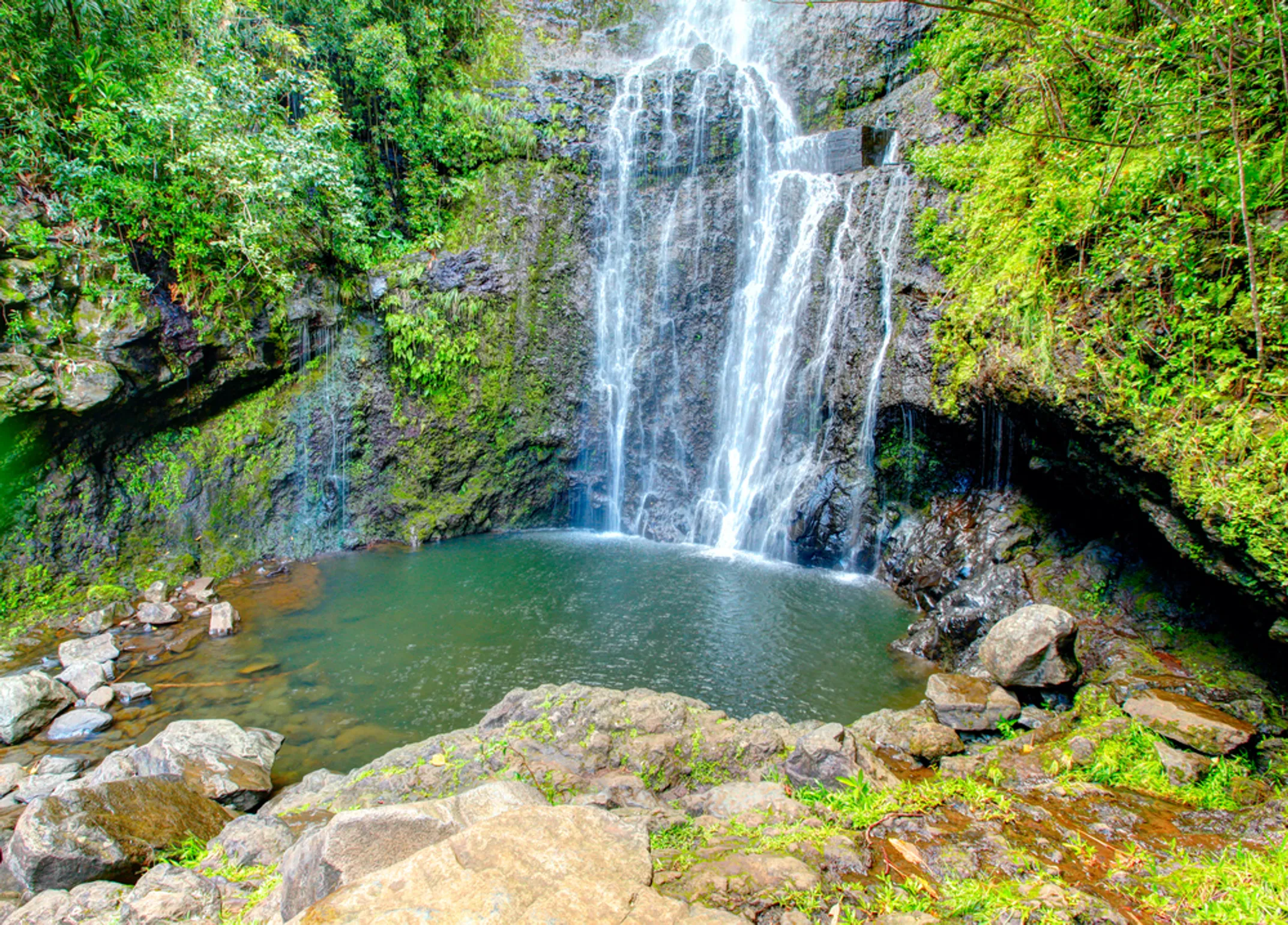
When you stand at the base of Waimoku Falls, feeling the mist on your face and hearing the thunder of water meeting stone, you're experiencing something unchanged since the first Hawaiians arrived on these shores. That continuity, that connection to something eternal and powerful, is the real magic of Kīpahulu.
Come with respect. Come with curiosity. Come ready to learn and to be changed by this remarkable place. And when you leave, carry its spirit with you, sharing the stories and protecting the values that make Hawaiʻi so special.
Mahalo for visiting our home with care.
Ready to Experience Kīpahulu?
Start from the beginning or explore any section of this comprehensive guide to the Pools of ʻOheʻo and Pīpīwai Trail.
⏰ Best Times
- Best Season: Apr-Oct
- Best Time: Early morning
- Temperature: 65-80°F
- Humidity: High
📷 Photo Tips
- Golden hour lighting
- Polarizing filter
- ND filter for waterfalls
- Stay in safe zones
- Respect sacred sites
🌿 Native Plants
Kukui Tree
Oil for lamps & torches
Koa Tree
Prized for canoe building
Hapu'u Fern
Ancient tree ferns