
Weather and Timing: When to Visit ʻĪao Valley
Seasonal Patterns and What to Expect
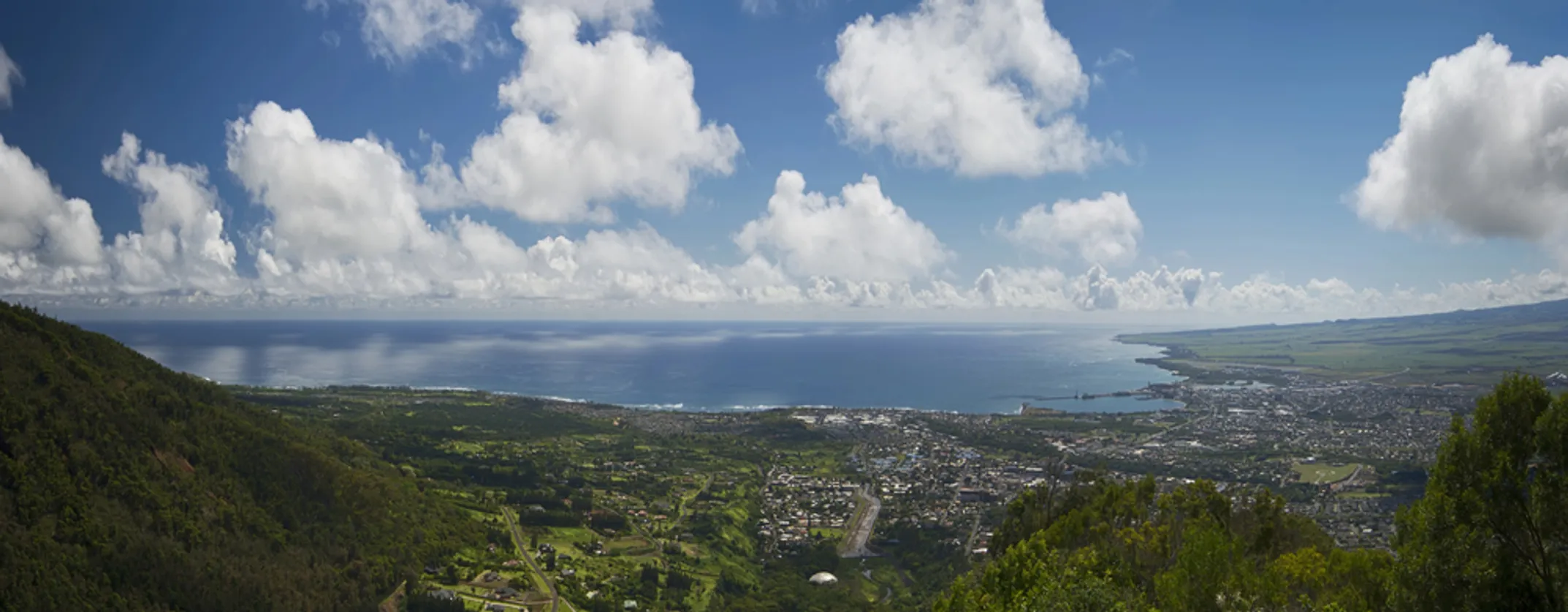
ʻĪao Valley's weather follows its own rules. While Maui's leeward beaches bask in sunshine, the valley often sits under clouds that cling to the West Maui Mountains. Understanding these patterns helps you plan the perfect visit.
☀️ Dry Season (April - October)
Generally offers the best weather, though "dry" is relative when you're talking about 400 inches of annual rainfall. Mornings tend to be clearest, with clouds building through the afternoon. Trade winds help clear the air but can also bring sudden showers.
🌧️ Wet Season (November - March)
Expect more frequent rain and persistent cloud cover. However, this is also when the valley is most lush and dramatic. Waterfalls that barely trickle in summer become roaring cascades. The downside? The ʻĪao Needle disappears in clouds more often.
Best Times of Day
🌅 Early Morning (7:00 - 9:00 AM)
Hands down the best time to visit. You'll have the clearest chance of seeing the ʻĪao Needle without cloud cover. The air is cool and fresh, crowds are minimal, and the light is perfect for photography.
☀️ Mid-Morning (9:00 AM - 12:00 PM)
Still good conditions, though clouds begin building around the peaks. This is the busiest time as day-trippers arrive.
🌤️ Afternoon (12:00 - 4:00 PM)
Clouds often obscure the needle, and heat makes the hike less comfortable. However, dramatic lighting can create spectacular photography opportunities when the clouds part.
🌆 Late Afternoon (4:00 - 6:00 PM)
Unpredictable but sometimes magical. The angle of light creates deep shadows and golden highlights. Just be prepared for the needle to be completely hidden.
Photography Tips from Someone Who's Shot Here Hundreds of Times
The ʻĪao Needle is one of the most photographed landmarks in Hawaiʻi, but most shots look the same. Here's how to capture something special:
- Focus on Details: While everyone shoots the needle, look for intimate scenes—water droplets on taro leaves, moss patterns on rocks, or light filtering through the forest canopy.
- Use the Weather: Don't pack up when clouds roll in. Some of my best shots capture the needle partially shrouded in mist, creating an otherworldly atmosphere.
- Include People for Scale: The needle's immense size isn't obvious without reference. Include visitors in your frame to show the monument's true scale.
- Shoot the Stream: The various perspectives of ʻĪao Stream tell the valley's story better than any single landmark shot.
- Golden Hour Magic: If you can snag a late afternoon slot and the clouds cooperate, the golden light on the green cliffs is absolutely stunning.
Planning Your Complete Hawaii Itinerary
Beyond ʻĪao: Exploring Nearby Attractions
Your visit to ʻĪao Valley can anchor a full day of cultural and historical exploration in Central Maui.
🏞️ Kepaniwai Park & Heritage Gardens
Located just before the entrance to ʻĪao Valley State Monument, this free park is absolutely worth a stop. Established in 1952, it celebrates the diverse immigrant cultures that shaped modern Maui.
The park features distinct gardens representing different ethnicities that came to work on sugar plantations. The Japanese garden includes a traditional teahouse and peaceful koi pond. The Chinese garden features a pagoda and statue of Sun Yat-sen, who spent formative years in Hawaiʻi. You'll also find Portuguese, Filipino, Korean, and traditional Hawaiian sections, each with authentic architecture and cultural symbols.
This peaceful setting provides powerful contrast to the battle history you'll learn about in the valley. It celebrates unity and contributions of Maui's people rather than conflict and division.
🌴 Maui Tropical Plantation
A working farm that demonstrates Hawaiʻi's agricultural heritage. While more touristy than cultural, it offers insights into crops that shaped the islands' economy.
🏛️ Bailey House Museum
In nearby Wailuku, this museum preserves artifacts and stories of both Hawaiian and missionary history.
Extending Your Adventure to Oʻahu: Pearl Harbor and More
While planning your island-hopping itinerary, a tour of Pearl Harbor on Oʻahu and Punchbowl Crater is a must-do historical experience. Choosing a guided tour is the most efficient way to experience it—experts handle the schedule, you get deeper insights, and you completely bypass the costs and complexities of parking.
Why Guided Tours Unlock Pearl Harbor's Full Story
Visiting Pearl Harbor independently can be stressful and logistically complex. Securing the required, time-sensitive tickets to the USS Arizona Memorial is challenging, as they're often reserved far in advance. Furthermore, navigating to the site, finding limited parking, and understanding the vast historical context can detract from the experience's solemnity.
A guided tour transforms these challenges into a seamless and deeply meaningful experience:
- Stress-free Transportation: Hotel pickup and drop-off eliminates navigation worries and parking challenges
- Guaranteed USS Arizona Access: Tour operators secure tickets in advance, eliminating sellout concerns
- Expert Historical Context: Professional guides provide insights and stories that bring history to life
- Optimized Itinerary: Many tours include additional sites like Punchbowl Cemetery and historic Honolulu
- Focus on Remembrance: With logistics handled, you can concentrate fully on honoring history
Coral Crater Adventure Park: Thrills on Oʻahu
For a high-energy contrast to historical sites, Coral Crater Adventure Park on Oʻahu offers adrenaline-pumping activities perfect for families and adventure-seekers. Located in West Oʻahu, this 35-acre outdoor playground features:
- Ziplines: A full 6-line course with lines ranging from 300 to 1,000 feet through jungle canopy
- ATV Adventures: Off-road thrills on rugged trails in side-by-side vehicles
- Adventure Tower: An 18-element aerial challenge course with climbing walls and a 50-foot freefall
The "Ultimate Adventure Package" combines ziplines, ATV tours, and the full Adventure Tower experience for those wanting to do it all.
Frequently Asked Questions
How long should I spend at ʻĪao Valley?
A typical visit lasts 1 to 2 hours. This provides time to walk the main trail to the lookout, explore the ethnobotanical garden, take photos, and absorb the valley's serene atmosphere. Serious photographers or those deeply interested in the cultural history might want to allow 3 hours.
Is ʻĪao Valley good for families with kids?
Absolutely. The main 0.6-mile trail is paved with a gentle grade, making it one of Maui's most accessible family hikes. It's suitable for strollers up until the final flight of stairs to the lookout shelter. Kids often love the stream crossing and spotting plants in the ethnobotanical garden.
Can you swim in ʻĪao Stream?
Swimming is popular with locals but comes with serious risks. The primary danger is flash flooding, which can occur with little warning when upstream rains send walls of water down the valley. The water is also mountain-fed and quite cold. If you choose to swim, never enter if the water is murky, rising, or if you can hear rumbling sounds upstream.
What's the best time of day to visit ʻĪao Valley?
Early morning offers the best chance of viewing the ʻĪao Needle without cloud cover. This also means cooler temperatures and smaller crowds. If you're primarily interested in photography, early morning light is ideal for capturing the needle clearly.
Are there restrooms and water at ʻĪao Valley?
Restroom facilities are available near the main parking lot. However, there is no drinking water available within the park. It's essential that visitors bring their own water to stay hydrated, especially given the humid conditions and physical activity involved.
What happens if it rains during my visit?
Rain is common in ʻĪao Valley—it receives nearly 400 inches annually. Light rain shouldn't cancel your visit; just bring proper rain gear. Heavy rain can make trails slippery and dangerous, and flash flood warnings may close the park temporarily. Check current conditions before departing.
Can I change or cancel my reservation?
The state park system has very limited flexibility for changes and cancellations. Check the specific terms when booking, but generally, you should only make reservations you're confident you can keep.
Is ʻĪao Valley accessible for people with mobility issues?
The main trail to the first viewpoint is paved and relatively gentle, making it accessible for many visitors with mobility challenges. However, the final section to the primary lookout requires climbing 133 steps, which may not be suitable for everyone. There are several stopping points along the way with good views.
Conclusion: Embracing the Spirit of ʻĪao
Standing at the base of Kūkaʻemoku as mist swirls around its ancient peak, you're experiencing far more than a scenic overlook. You're connecting with centuries of Hawaiian history, from the sacred burial caves of aliʻi to the tragic battlefield where hundreds of warriors fell. You're walking through a living museum of ethnobotany that demonstrates how Polynesian voyagers built an entire civilization in harmony with the land.
The new reservation system might require extra planning, but it ensures that this sacred place maintains the peace and respect it deserves. When you visit, remember that every step is on holy ground. The stream that bubbles peacefully beneath your feet once ran red with blood. The cliffs that provide such dramatic beauty also hold the remains of Hawaiian royalty.
ʻĪao Valley teaches us that even in paradise, history carries weight. Beauty and tragedy can occupy the same space. Understanding this duality makes your visit more meaningful and your photos more than just pretty pictures—they become windows into the soul of Hawaiʻi.
Whether you come for the Instagram shot, the family hike, or the cultural education, ʻĪao Valley will give you more than you expect. Just remember to bring your rain jacket, respect the kapu areas, and allow yourself time to truly absorb the mana of this extraordinary place.
As we say in Hawaiʻi: mālama ʻāina—care for the land, and it will care for you. ʻĪao Valley embodies this principle perfectly, offering its beauty freely to those who approach with respect and understanding.
Aloha and safe travels,
Jade Kawanui
ℹ️ Quick Info
- Entrance Fee: $5 per person
- Parking Fee: $10 per vehicle
- Hours: 7 AM - 6 PM
- Trail Length: 0.6 miles
- Difficulty: Easy
- Reservations: Required
🎒 What to Pack
- Rain jacket or poncho
- Sturdy closed-toe shoes
- Insect repellent
- Drinking water (no facilities)
- Camera
- Swimsuit (optional)
📖 Complete Guide
Booking system & arrival
Fees, Hours & DirectionsCosts & getting there
Trail GuideWalking the valley
Sacred History & LegendsBattle & burial grounds
Weather, timing & FAQs
⏰ Best Time to Visit
Early morning (7:00-9:00 AM) offers the clearest views of ʻĪao Needle before clouds gather. Book 30 days in advance for best availability.