Culture & History: The Story of Lanai
From ancient Hawaiian villages to plantation-era charm

Written by a Local Hawaii Expert
Kalani MillerCulture & History: The Story of Lanai
Lanai City
The heart of the island beats in Lanai City. This small, charming town is nestled in the cool central highlands. Its streets are laid out in a grid around the beautiful Dole Park, a grassy square shaded by massive Cook pines. This is where you'll find the island's culture. There are no chain stores or fast-food restaurants here. Instead, you'll discover unique mom-and-pop shops, art galleries, and wonderful eateries like the famous Blue Ginger Café, a favorite for hearty breakfast or classic plate lunch.
The town itself is a testament to Lanai's plantation history. Built in the 1920s by the Hawaiian Pineapple Company (later Dole), it was designed as a model company town. The original plantation-style homes still line the streets, many now converted into charming bed-and-breakfasts or private residences. The town's compact size means you can easily walk from one end to the other in about 10 minutes, but take your time to appreciate the details: the colorful gardens, the vintage architecture, and the friendly waves from locals going about their daily routines.
Lānaʻi Culture & Heritage Center
Your first stop in Lanai City should be the Lānaʻi Culture & Heritage Center. This wonderful community-run museum is the key to understanding everything else you will see on the island. Its exhibits tell the story of Lanai's 1,000-year history. From its earliest Hawaiian settlements through the ranching and pineapple plantation eras to the present day. The center is typically open on weekdays, but it's always best to check their website (lanaichc.org) for the most current hours.
The center's displays include artifacts from archaeological excavations, photographs from the plantation era, and interactive exhibits that bring the island's history to life. One particularly moving section focuses on the diverse immigrant communities that came to work the pineapple fields, including Filipino, Japanese, Portuguese, and Puerto Rican families who made Lanai their home and contributed to its unique cultural blend.
Local Tip: The knowledgeable staff and volunteers at the center are invaluable resources for visitors. They can provide updated information about road conditions, current events on the island, and recommendations for respectful ways to visit cultural sites. Many are longtime residents with personal connections to the island's history, and their stories add depth and context to what you'll see during your explorations.
Kaunolu Village
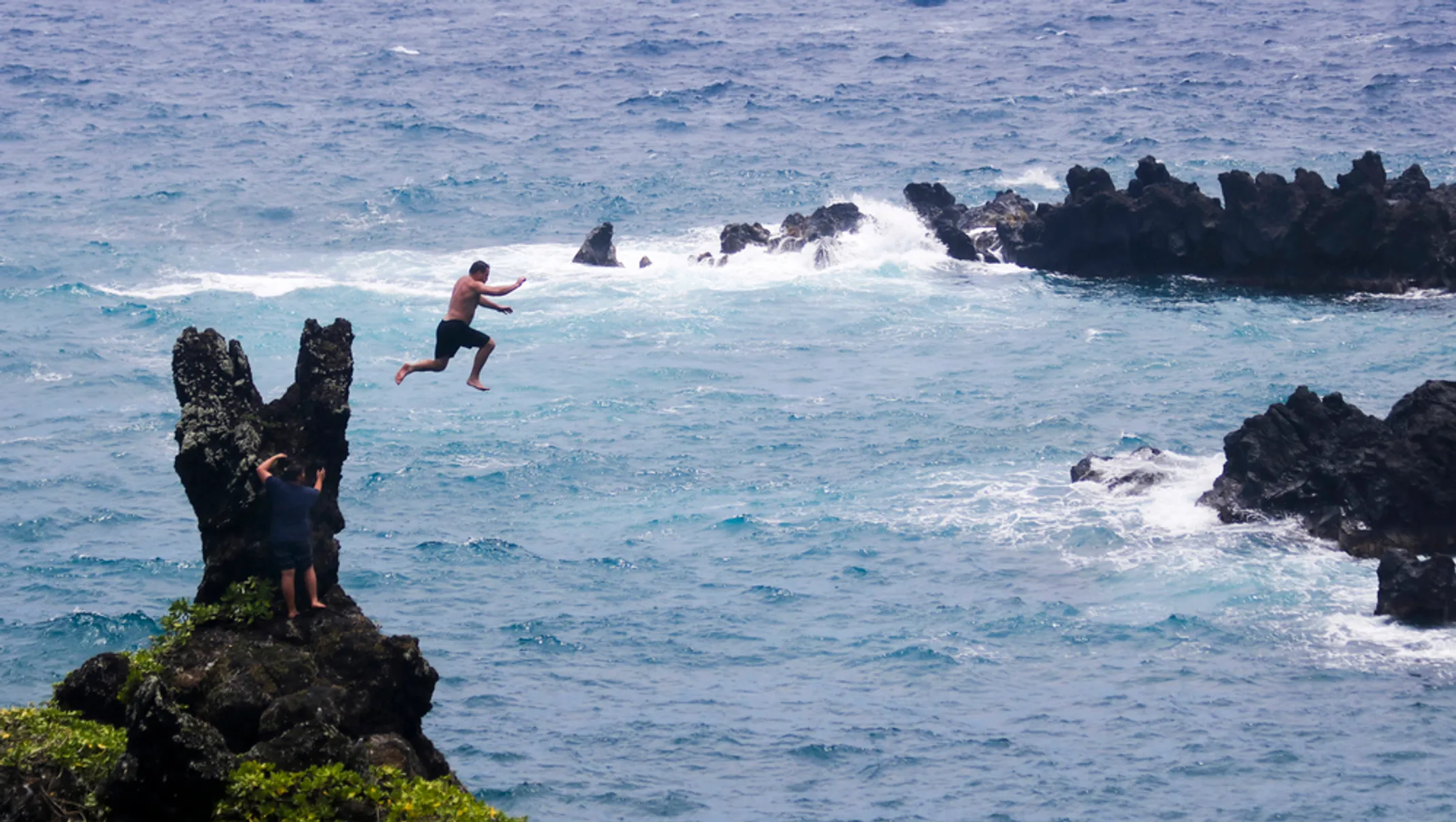
As someone passionate about Hawaiian history, I consider Kaunolu Village to be one of the most important historical sites in all of Hawaii. Located on the southern cliffs, this is the largest surviving ruins of a prehistoric Hawaiian village and a designated National Historic Landmark. This was King Kamehameha I's favored fishing retreat in the late 1700s. As you walk the interpretive trail, you can see the stone platforms of ancient homes, the remains of the sacred Halulu Heiau (temple), and the dramatic cliff known as Kahekili's Leap. It was from this 60-foot precipice that warriors would dive into the 12 feet of water below to prove their courage and loyalty. This is a sacred archaeological site. Please walk with reverence and leave everything as you found it.
A Thousand Years of History
The village represents over 1,000 years of continuous Hawaiian occupation. Archaeological evidence suggests that people first settled here around 1000 AD, drawn by the excellent fishing grounds and strategic location. At its peak, Kaunolu was home to hundreds of residents who lived in traditional grass houses built on stone platforms called kahua. The remains of these foundations are still visible today, providing a unique window into ancient Hawaiian community life.
The Halulu Heiau, located at the village's spiritual center, was dedicated to the fishing god Kuʻula. Hawaiian fishermen would come here to make offerings and seek blessing for their ventures into the rich waters offshore. The temple's careful construction and prominent placement demonstrate the central role that fishing played in the community's survival and prosperity.
King Kamehameha's Connection
King Kamehameha I's connection to Kaunolu adds another layer of historical significance. The great king, who united the Hawaiian Islands under his rule, maintained a residence here and regularly visited for both relaxation and strategic planning. The excellent fishing provided food for his court, while the village's remote location offered privacy for sensitive discussions about military and political matters.
Remember: Kaunolu is a sacred archaeological site. Walk with reverence, stay on designated paths, and leave everything as you found it. These stones and structures have stood for centuries, and it's our kuleana (responsibility) to ensure they remain for future generations.
ℹ️ Quick Info
- History: 1,000+ years
- Plantation Era: 1920s-1990s
- Main Town: Lanai City
- Heritage Center: Weekdays
- Kaunolu: 4x4 required
🏛️ Cultural Sites
Plantation-era town
1,000-year history
National landmark