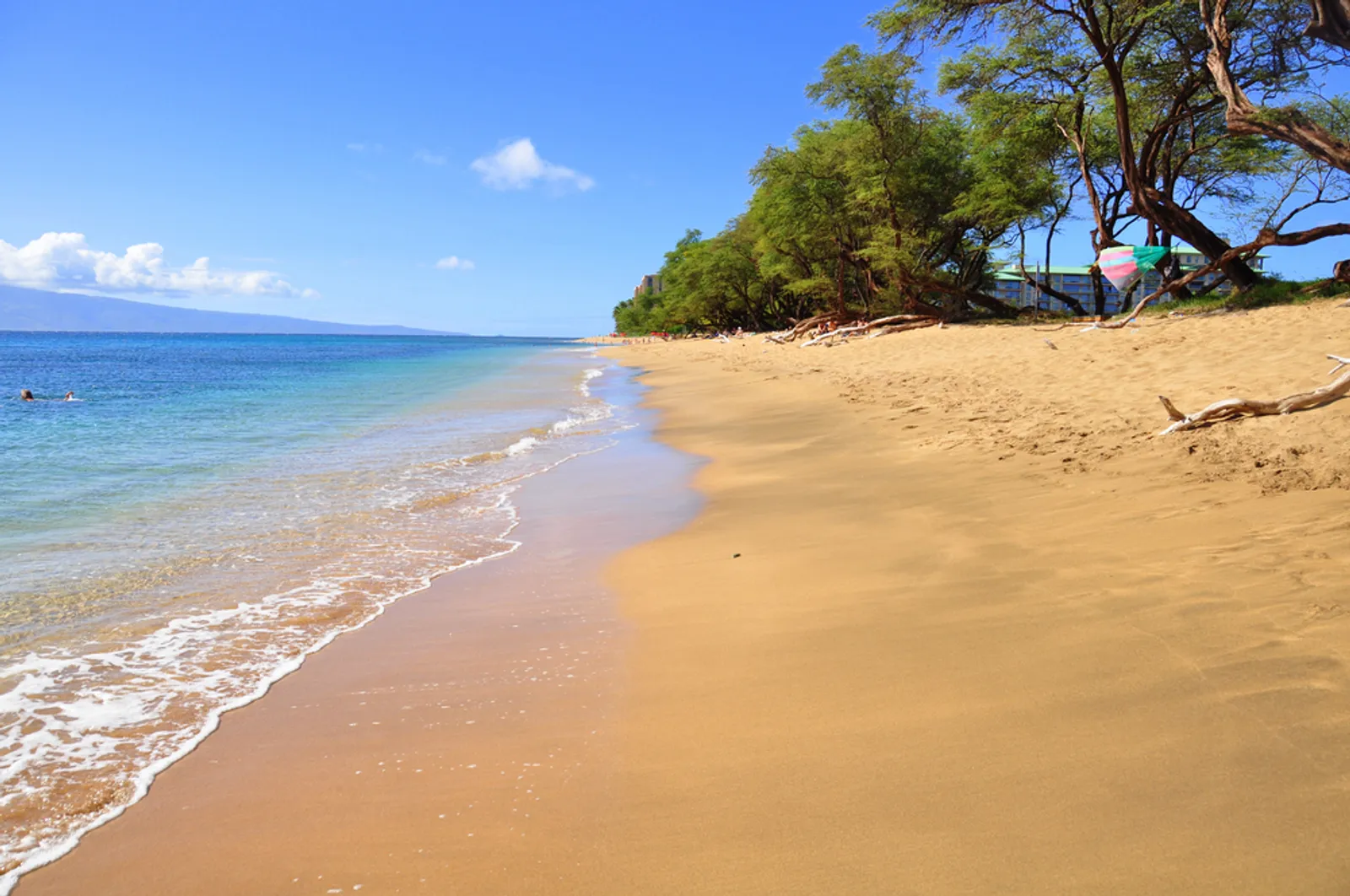
The Route to Polihua Beach
From Lānaʻi City to the Edge of the World

Written by a Local Expert
Jade KawanuiThe Route: From Lānaʻi City to the Edge of the World
Forget Google Maps out here. Cell service is spotty at best, and GPS can be unreliable on these remote roads. I'm going to walk you through this drive like I'm sitting in the passenger seat next to you, using the landmarks that we locals use. The entire drive from Lānaʻi City to Polihua Beach will take about an hour to an hour and a half, depending on trail conditions and how long you stop along the way.
Segment 1: Lānaʻi City to Keahiakawelo (Garden of the Gods)
Your journey begins in the heart of the island, Lānaʻi City. After stocking up on water and food at Richard's Shopping Center (the main grocery store), head northwest out of town. The paved road will take you past the old Lodge at Koele, a reminder of the island's pineapple plantation days.
You'll eventually find yourself on Kanepuu Highway, which will transition from pavement to a graded, red-dirt road. This road leads you past the Kānepuʻu Preserve, a protected area that is home to one of the last remaining native dryland forests in Hawaiʻi. The road you are on is now called Polihua Road. The drive to your first major landmark, Keahiakawelo, will take about 45 minutes.
As you drive this stretch, you'll notice the landscape gradually changing. The Norfolk pines that dominate Lānaʻi City give way to smaller, hardier vegetation adapted to the drier conditions of the island's interior. Keep your eyes peeled for axis deer, which are common throughout this area.
Segment 2: Keahiakawelo (Garden of the Gods)
You'll know you've arrived at Keahiakawelo when the landscape transforms dramatically. The trees give way to a vast, windswept rock garden that looks more like the surface of Mars than a tropical island. This is a crucial waypoint on your journey and a destination in its own right.
The mysterious lunar topography is populated with boulders and rock towers of vibrant red, orange, and purple hues, sculpted by centuries of wind erosion. The colors are most vibrant during the golden hours of sunrise and sunset, when the light catches the iron-rich minerals in the rock.
🌺 Sacred Place: Wahi Pana
This is a wahi pana, a storied and sacred place. Our moʻolelo (stories) tell of a contest between two kahuna (priests), one from Lānaʻi and one from Molokaʻi. They were challenged to keep a fire burning on their respective islands longer than the other. The Lānaʻi kahuna, Kawelo, was so determined to win that he used every piece of vegetation in this area to fuel his fire, leaving it barren for all time.
When you stand here, you are standing in a legend. Please treat it with the utmost respect. The removal or stacking of rocks is kapu (forbidden). Take photos, enjoy the panoramic views of Molokaʻi and Oʻahu on a clear day, but leave every stone as you found it.
From Keahiakawelo, you can see across the channel to Molokaʻi's towering sea cliffs, some of the highest in the world. On exceptionally clear days, you might even catch a glimpse of Oʻahu's mountains on the horizon. This is your last chance to use reliable cell service, so if you need to check in with anyone or update your plans, do it here.
Segment 3: The Polihua Trail Descent
From Keahiakawelo, your true off-road challenge begins. Continue on Polihua Road heading makai (toward the ocean). This final four-mile stretch is the most technical part of the drive and will take a good 30-45 minutes to navigate carefully.
The trail descends from the high plains toward the coast, with switchbacks and stunning vistas of the archipelago opening up before you. This is where your 4x4 skills really come into play. The road becomes increasingly rough, with deep ruts carved by years of rain runoff and vehicle traffic.
⚠️ Drive with Extreme Caution
Be extremely cautious on this section. Drive slowly, especially around the blind corners, as a vehicle coming up from the beach can appear suddenly with little warning. The trail is barely wide enough for two vehicles to pass, so someone will need to find a wider spot to pull aside.
As you near the coast, you'll notice the vegetation changing again. The ironwood trees (Casuarina) become more prominent, their needle-like leaves creating a soft carpet on the forest floor. These non-native trees were planted decades ago to help control erosion, and they've created their own unique ecosystem.
The trail will flatten out as you approach the coast. The road ends at a small, sandy clearing. Look for a designated parking area, sometimes marked by a simple sign, typically on the left. Park here and celebrate—you've made it to one of Hawaiʻi's most remote and pristine beaches.
🚫 Never Drive on the Beach
Under no circumstances should you attempt to drive your vehicle onto the deep, soft beach sand. It is the surest way to get hopelessly stuck, miles from help, and it can damage the fragile ecosystem and potential turtle nesting sites. From the parking area, it's a short hike over the dunes to the beach itself.
Reading the Trail: What to Expect
This trail has a personality, and it changes with the weather. The one thing I can't stress enough is checking the forecast before you leave Lānaʻi City. A sunny day can make for a thrilling drive. A rainy one can make it a treacherous nightmare.
The trail is consistently rough and bumpy. You will encounter deep, dried ruts that will test your vehicle's clearance, sections of loose red dirt that can be slippery, and rocky patches that require careful navigation. After a rain, this red dirt turns into a thick, slick mud that offers very little traction, which is why rental companies will often close the trail to all traffic after a storm.
The red dirt that characterizes much of this drive is actually decomposed volcanic rock, rich in iron oxide. It's beautiful but incredibly fine, and it gets into everything. Don't wear white clothes unless you want them to become a permanent souvenir of your adventure.
🚙 Engage 4WD Early
Don't wait until you're slipping or stuck. Put your Jeep in four-wheel drive (4H or 4L for steep sections) as soon as you leave the pavement. There's no shame in using your vehicle's capabilities from the start.
🐢 Slow and Steady
This is not a race. A slow, consistent speed allows your tires to grip the uneven terrain and gives you time to react to obstacles. Let the vehicle's gearing do the work on steep descents rather than relying heavily on your brakes.
🤙 Practice Aloha on the Trail
You are traveling through privately owned lands and may encounter other drivers. Off-road etiquette asks that you slow down significantly when approaching and passing others to minimize the dust you kick up. A friendly shaka or wave is always appreciated.
☀️ Plan Your Return
Plan to leave Polihua Beach with enough daylight to be back on paved roads well before sunset. Navigating that trail in the dark is extremely difficult and dangerous, even with good headlights.
🗺️ Route Overview
- Total Distance: ~15 miles
- Total Time: 1-1.5 hours
- Segment 1: 45 min
- Segment 2: 15 min stop
- Segment 3: 30-45 min
🌤️ Trail Conditions
- Sunny/Dry: Good conditions
- Cloudy: Proceed with caution
- Rain/Wet: Avoid or postpone