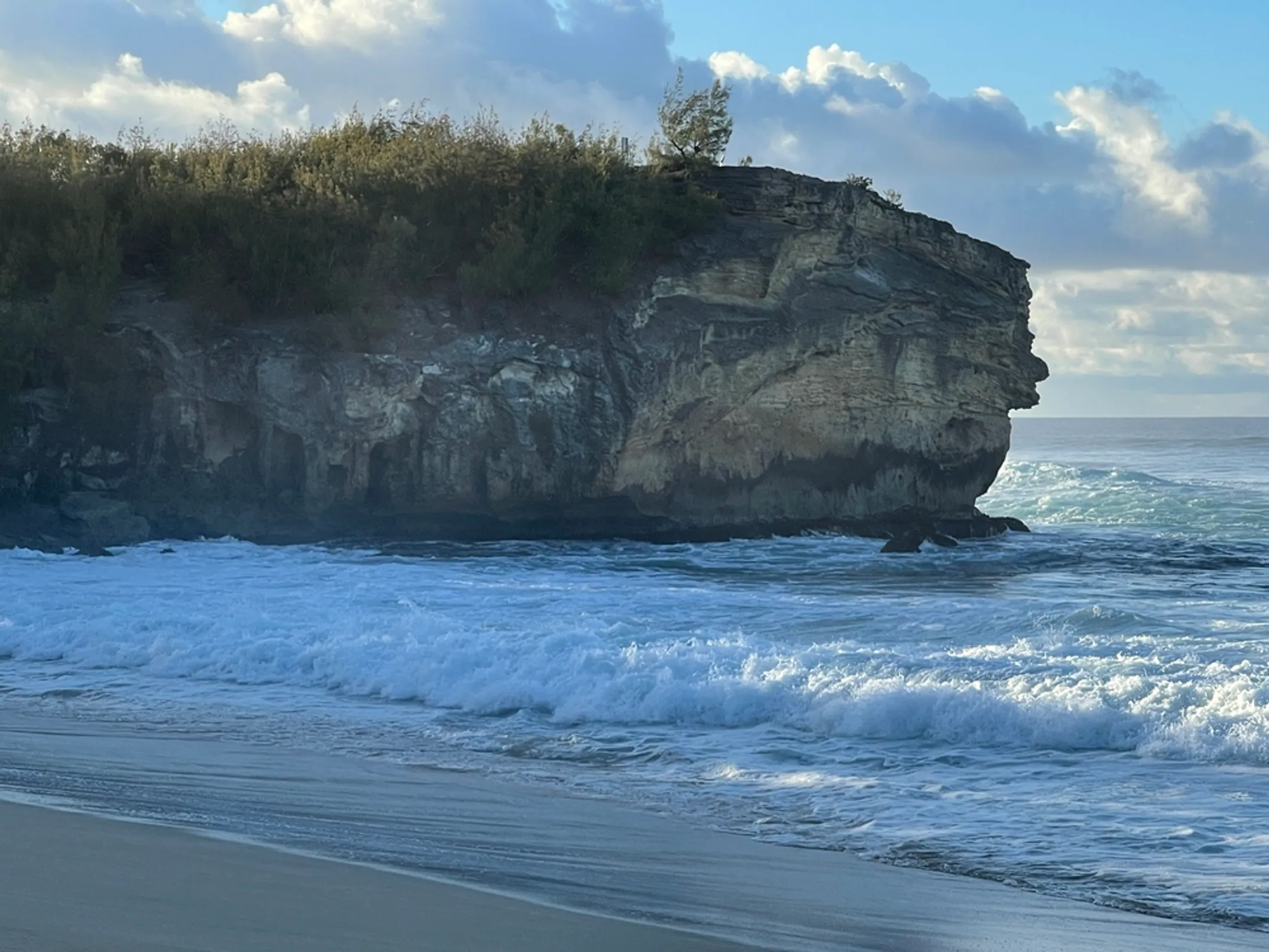
Exploring Shipwreck Beach
A Practical Guide to the Windswept Shore
Written by a Local Historian
Kalani MillerA Place for Quiet Contemplation
Once you have completed the challenging drive and parked your vehicle safely, the true exploration of Kaiolohia begins. This is not a resort beach with amenities and services. There are no facilities, no lifeguards, no snack bars, and likely no other people. It is a place for quiet contemplation, dramatic photography, and personal discovery.
The isolation is part of the appeal. In our modern world, places like this are becoming increasingly rare. Here, you can experience the raw power of nature without the buffer of civilization. The experience connects you directly to the elemental forces that have shaped these islands for millions of years.
What to Do on the Windswept Shore
Beachcombing: A Treasure Hunter's Paradise
Beachcombing at Kaiolohia offers rewards found nowhere else in Hawaiʻi. The powerful currents and constant winds that define this coast make it a treasure hunter's paradise. The entire eight-mile shoreline receives a constant supply of items washed ashore from across the Pacific. You can find beautiful, water-polished shells that have traveled thousands of miles. Intricate pieces of driftwood tell stories of distant storms and faraway shores.
Occasionally, you might discover fragments of the wrecks themselves. Rusted metal pieces and weathered ship timbers serve as tangible links to the past. These artifacts, smoothed by decades of wave action, connect you directly to the maritime history that defines this place. Each piece has its own story of how it came to rest on this remote shore.
Pacific Treasures: The beach also receives more unusual items. Glass fishing floats from Asian fishing fleets sometimes wash ashore here. These beautiful, hand-blown spheres have drifted across the entire Pacific Ocean to reach this coast. Finding one is like discovering a message in a bottle, a connection to fishermen working thousands of miles away.
Photography: Capturing the Drama
Photography at Kaiolohia offers opportunities found nowhere else in the Hawaiian Islands. The dramatic landscape provides a moody and powerful backdrop that changes throughout the day. The key is to use the striking silhouette of the YOGN-42 as a powerful foreground element. Frame your shots to include the deep blue of the channel and the distant, cloud-shrouded coastlines of Molokaʻi and Maui.
The light is particularly beautiful in the early morning or late afternoon. Long shadows accentuate the texture of the rusted hull and the surrounding reef. The golden hour light transforms the rust-colored wreck into a warm, glowing monument against the cool blues and grays of the ocean and sky.
For the more adventurous photographer, the contrast between the ancient petroglyphs and the modern wreck creates compelling compositions. The juxtaposition of these two very different kinds of human marks on the landscape tells the story of thousands of years of human interaction with this powerful place.
📸 Best Times
Early morning or late afternoon for golden hour light. Long shadows enhance the wreck's texture and create dramatic compositions.
🎨 Composition Tips
Use the YOGN-42 as foreground. Include Molokaʻi and Maui coastlines in background. Capture the contrast of rust against blue ocean.
Hiking Along the Coast
Hiking along the full length of the beach is accessible to adventurous visitors. The walk from the main parking area to a clear vantage point of the YOGN-42 is less than a mile. This relatively easy walk allows you to approach the wreck from different angles and find the viewpoint that speaks to you most powerfully.
For those seeking a greater challenge, continuing west toward the site of the YO-21 is a much longer and more strenuous trek of about six miles. This journey involves significant scrambling over sharp lava rocks and navigating loose sand. The reward for this effort is the chance to see another piece of World War II history and to experience the full scope of this maritime graveyard.
Hiking Preparation: If you plan to hike any significant distance, preparation is essential. Bring ample water, more than you think you'll need. The combination of sun, wind, and salt air is dehydrating. Sun protection is crucial, as there is no shade on this exposed coastline. Sturdy footwear is a must, as the terrain includes sharp lava rock, loose sand, and coral fragments.
Heed the Ocean's Power: A Crucial Safety Warning
DO NOT SWIM AT SHIPWRECK BEACH
This cannot be stated strongly enough: DO NOT SWIM AT SHIPWRECK BEACH. The very conditions that brought more than a dozen ships to their doom make the water here exceptionally dangerous for humans. The currents are powerful and unpredictable. They are capable of pulling even the strongest swimmer out to sea with shocking speed.
The reef is shallow, and the bottom is littered with sharp coral and jagged rocks. The remains of the wrecks themselves create underwater hazards that are impossible to see from the surface. Even in seemingly calm conditions, the water here harbors hidden dangers that have claimed lives.
This is a place to respect the power of the ocean from the safety of the shore. The beauty of Kaiolohia lies not in entering the water but in witnessing the ongoing battle between sea and land. Stand on the beach and feel the spray from the waves crashing against the reef. Watch the YOGN-42 endure another day of assault from the elements. This is how you truly experience the power of this place.
Honoring the Past: The respect you show for the ocean here honors the memory of all those who were lost in these waters. From the crews of 19th-century sailing ships to modern recreational boaters, the sea has claimed many lives in the Kalohi Channel. Your safety is your responsibility and your tribute to their memory.
Complete Your Kaiolohia Experience
Discover the ancient petroglyphs just inland and plan your complete Hawaiian island-hopping adventure.
🏖️ Activities
- Beachcombing
- Photography
- Coastal hiking
- Wildlife watching
- Swimming (Dangerous)
🐚 Beachcombing Finds
Water-polished from across Pacific
Intricate pieces from distant shores
Rusted metal & weathered timbers
Rare Asian fishing floats
⚠️ Safety Warnings
- Do NOT swim - dangerous currents
- Sharp coral & rocks in water
- No shade - bring sun protection
- Bring extra water
- No facilities available
🔗 Explore Kaiolohia
✍️ About the Author
Historian & Storyteller
A Kauaʻi-based historian and storyteller drawn to places where nature still holds sway and ancient rhythms endure.