Modern Lānaʻi City
Where History Lives and Community Thrives
Written by a Local Historian
Kalani MillerWalking Through Lānaʻi City Today
When I visit Lānaʻi City now, I'm always struck by how peaceful it feels. There are no traffic lights on the entire island. No chain stores or fast food restaurants. Life still moves at the pace it set a century ago, when the loudest sound was the whistle calling workers to the fields.
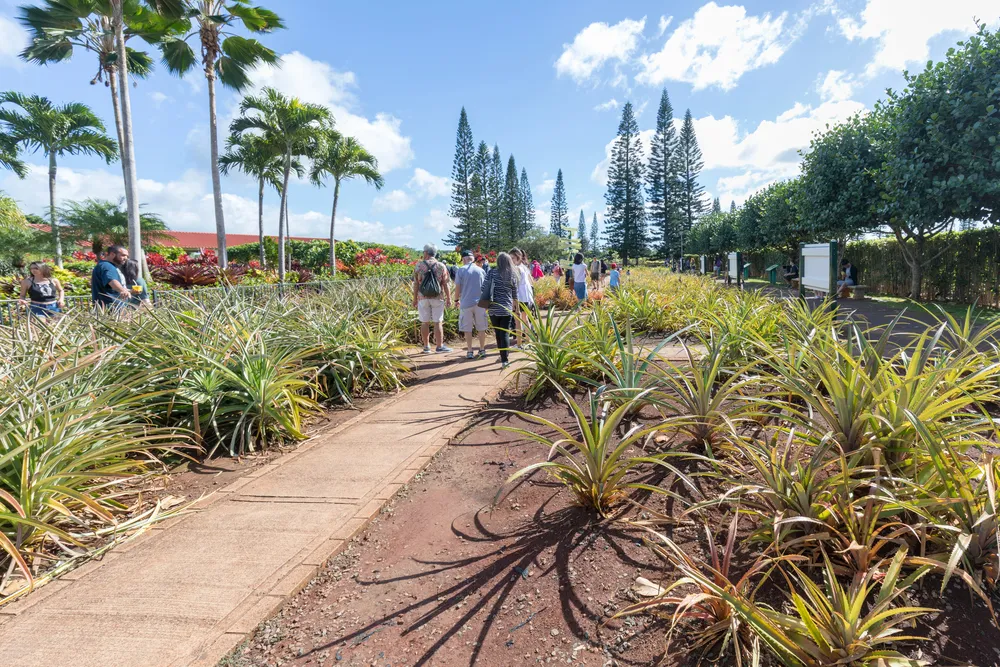
The best way to experience the town is to start at its heart. Dole Park remains the center of everything, just as it was designed to be. Those towering Cook Island pines provide shade that feels like nature's own cathedral. Families still come here to picnic and talk story. Kids still run across the grass while their parents catch up on island news.
On Saturday mornings, the park comes alive with the Lānaʻi Farmer's Market. Local growers bring fresh vegetables and fruits. Artists sell handmade crafts. Musicians play slack key guitar under the trees. It's the kind of authentic Hawaiian experience that tourism boards try to create but rarely capture.
The buildings surrounding the park house the town's small but thriving business district. Every shop and restaurant is locally owned. There's no corporate headquarters calling the shots from the mainland. The people who serve you coffee in the morning are your neighbors.
Walking these streets feels different from anywhere else in Hawaii. There's no rush, no hustle to get to the next attraction. People make eye contact and say aloha. They mean it. This is what small town Hawaii used to feel like before tourism changed so much of our islands.
Local Flavors: Where to Eat in Lānaʻi City
For such a small town, Lānaʻi City offers surprising variety when it comes to food. You'll find everything from quick local grinds to more refined evening meals. Each place has its own character and loyal following among locals.
☕ Blue Ginger Café
Local institution serving legendary breakfasts, generous plate lunches, and fresh-baked pastries. The kind of place where strangers become friends over shared meals.
🍕 Pele's Other Garden Deli
New York-style pizza with perfect crispy crust, stacked sandwiches, and fresh salads. Casual and friendly refueling spot.
🍽️ Lanai City Bar & Grill
Upscale island-inspired cuisine in the historic Hotel Lānaʻi. Dine where plantation executives planned the island's future nearly a century ago.
☕ Coffee Works
Town's caffeine headquarters with morning coffee, pastries, and light bites. Neighborhood coffee shop where regulars have their usual orders.
Other local favorites include Ganotisi's Pacific Rim Cuisine, where fresh fish gets the island treatment it deserves. No Ka Oi Grindz lives up to its name with plate lunches that truly are "the best." The garlic shrimp plate alone is worth the trip.
What strikes me about eating in Lānaʻi City is how personal it feels. Restaurant owners know their customers by name. Recipes get passed down through families. Food becomes a way of preserving culture and building community. Every meal tells a story about the people who make this place home.
Treasures and Finds: Shopping in Lānaʻi City
Shopping in Lānaʻi City feels like treasure hunting. You won't find any chain stores or tourist traps. Every shop reflects the personality of its owner and the character of the island. Walking from store to store becomes a way of meeting the community and discovering local talent.
The art scene on Lānaʻi is surprisingly vibrant for such a small place. Mike Carroll Gallery showcases stunning plein-air oil paintings that capture the island's natural beauty. Award-winning artist Mike Carroll and 30 other talented artists display their work in this beautifully restored vintage building. A corner of the gallery supports the Lānaʻi Cat Sanctuary, showing how business and community care intersect on small islands.
The Lānaʻi Art Center represents something special in Hawaiian communities. This non-profit, community-run space provides studio areas and classes for residents and visitors. Ceramics and painting workshops let people explore their creativity. The gift shop features unique, handcrafted works by local artists. Every purchase supports art programs for island children. It's the kind of place that makes a community stronger from the inside out.
The Local Gentry stands out as a true island boutique. Owner Jenna Gentry Majkus has created something special here. Her eye for unique clothing, resort wear, jewelry, and gifts makes every visit feel like discovering hidden treasures. Whether you're looking for that perfect piece of island wear or a meaningful souvenir, this shop delivers quality and style.
For practical needs, Pine Isle Market and Richard's Market serve as more than grocery stores. They're community gathering places where neighbors catch up on island news. Richard's Market is particularly known for its poke bar and high-quality produce. Items from Lānaʻi's own Sensei Farms show up regularly in their fresh selection. These markets prove that even basic shopping can feel personal and connected on a small island.
What I love about shopping in Lānaʻi City is how it supports real people pursuing their dreams. Every purchase helps a local family. Every conversation builds relationships. Shopping becomes a way of participating in community life rather than just acquiring things.
ℹ️ Quick Info
- Elevation: 1,700 feet
- Population: ~3,200
- Founded: 1923
- Climate: Cool & Mild
- Best Time: Year-round
📖 Explore This Guide
🎒 What to Bring
- Light jacket (cool climate)
- Walking shoes
- Camera for history
- Cash for local shops
The Key to Understanding: Lānaʻi Culture & Heritage Center
If you visit only one place in Lānaʻi City, make it the Lānaʻi Culture & Heritage Center. This small museum, housed in the old Dole Administration Building right on the edge of Dole Park, serves as the island's memory keeper. It's where the complete story of Lānaʻi lives and breathes.
The Center's mission goes beyond displaying old artifacts. They work to preserve and share the island's full historical narrative, a story that stretches back over a thousand years. Their collections cover every era of island life. Ancient Hawaiian stone tools and fishing implements tell of the first Polynesian voyagers. Everyday objects from the plantation era bring the immigrant experience to life.
Walking through the museum feels like traveling through time. The plantation heritage room transports you back to the daily life of the families who built this community. Clothing, furniture, and photographs help you imagine what life was like when the whistle marked your day and company stores supplied your needs.
But the most powerful exhibits might be the oral history videos. Here, you can listen to Lānaʻi's kūpuna share their own stories of growing up on the plantation. They speak in their own words about challenges and joys, about community and change. These voices connect you to real people rather than just historical facts.
The Center holds the largest archive of Lānaʻi materials in the world. Researchers and family members come here to trace genealogies and understand their connections to island history. For visitors, it provides the context that transforms a simple walk around town into a meaningful conversation with the past.
I always tell people to start their Lānaʻi City visit here. Understanding the history makes everything else more meaningful. That simple cottage becomes a family's dream of a better life. The neat grid streets reveal the social planning of a different era. The museum is typically open weekdays from 11 am to 3 pm. It's worth planning your visit around their schedule.
Staying in the Heart of History: Hotel Lānaʻi
If you want to stay in the heart of Lānaʻi City, you have one perfect choice. Hotel Lānaʻi offers the chance to sleep where plantation executives once planned the island's future. This iconic landmark was built in 1923 by James Dole as a lodge for his managers and important guests.
Today, the hotel operates as an intimate 11-room boutique property that beautifully balances historic character with modern comfort. A complete renovation in 2018 updated everything while preserving the building's plantation-era soul. Rooms feature clean lines and wood-paneled walls that honor the past. Smart-room technology lets you control lights, temperature, and window shades with simple touches.
The rooms are cozy by modern standards, reflecting the building's historic footprint rather than contemporary luxury expectations. But they're comfortable and impeccably maintained. What you're really buying is the experience of staying in a piece of living history. Falling asleep to the sound of wind through Cook Island pines, waking up steps from Dole Park, becoming part of the town's daily rhythm.
The hotel's central location can't be beaten. Everything in Lānaʻi City is within easy walking distance. The on-site Lanai City Bar & Grill serves both guests and locals, making it a natural gathering place. Staying here means becoming a temporary part of the community rather than just observing it from the outside.
Getting Around: Transportation and Planning
Lānaʻi City itself is perfectly suited for walking. The town is compact and flat, designed for pedestrians in an era before cars dominated transportation. You can easily stroll to all the shops, restaurants, and galleries surrounding Dole Park. Walking remains the best way to soak up the town's unhurried atmosphere.
But exploring beyond the city requires serious planning. Lānaʻi has about 400 miles of roads and trails, but only 30 miles are paved. The island's most spectacular sites like Keahiakawelo (Garden of the Gods) and Kaiolohia (Shipwreck Beach) require four-wheel-drive vehicles. These aren't casual recommendations. The unpaved roads can be rough and challenging.
Vehicle rental requires advance booking because supply is very limited. The main companies based in or near Lānaʻi City include Lānaʻi Car Rental, Lānaʻi Cheap Jeeps, and ABB Executive Rental. They primarily offer Jeep Wranglers and other 4x4s built for island terrain. During busy seasons, vehicles can book out weeks in advance.
If you choose not to rent a vehicle, local transportation services can help with transfers between Lānaʻi Airport, Manele Harbor, and Lānaʻi City. Rabaca's Shuttle Service is a primary operator. Local taxis are also available, though some may only accept cash payment. It's wise to be prepared with cash for any local transportation needs.
The key to a successful Lānaʻi visit is matching your transportation choice to your adventure goals. If you want to stay in Lānaʻi City and soak up its historic charm, walking works perfectly. If you want to explore the island's wild places, a 4x4 becomes essential.
Planning Your Complete Hawaii Itinerary
Many visitors combine their peaceful Lānaʻi retreat with time on other Hawaiian islands. If your travels include Oahu, there are experiences that perfectly complement the quiet reflection of Lānaʻi City with more active adventures and historical exploration.
While planning your island-hopping, a tour of Pearl Harbor on Oahu is a must-do. Choosing a guided tour is the most efficient way to experience it; experts handle the schedule, you get deeper insights, and you completely bypass the costs and complexities of parking.
Pearl Harbor represents one of the most significant sites in American history. It's a place of profound reflection and remembrance. While you can visit independently, the complexity and emotional weight of the site make guided tours far superior for most visitors. Self-guided visits require navigating a complex reservation system for USS Arizona Memorial tickets, which are often booked months in advance. You must also arrange transportation and deal with limited, fee-based parking.
A guided tour transforms a potentially stressful day into a seamless journey. Professional guides provide rich historical narratives, sharing stories that connect the events of December 7, 1941, in ways that reading placards cannot match. They handle all logistics, including those crucial, hard-to-get USS Arizona Memorial tickets. This lets you fully immerse yourself in the experience without distraction.
Many historical tours also include the National Memorial Cemetery of the Pacific in Pūowaina Crater, known as the Punchbowl. This serene and beautiful cemetery serves as the final resting place for nearly 53,000 veterans. It honors thousands more who were lost at sea in 20th-century wars. The visit provides a poignant counterpoint to Pearl Harbor's history.
Coral Crater Adventure Park offers another great option on Oahu for those seeking active adventure. Located in Kapolei on the west side, it's easily accessible from both Waikiki and Ko Olina resort areas. The park features ziplines, off-road ATV tours, and a 60-foot adventure tower with aerial challenges and a 50-foot freefall experience. Professional guides ensure safety while maximizing fun, making it perfect for families and thrill-seekers alike.
These Oahu experiences provide an interesting contrast to Lānaʻi's peaceful atmosphere. The active adventures and historical depth complement the quiet reflection and cultural immersion of Lānaʻi City. Together, they create a more complete picture of Hawaii's diversity.
The Enduring Spirit of Lānaʻi City
As the sun sets behind the Cook Island pines and Dole Park settles into evening quiet, I often think about what makes Lānaʻi City so special. It's not just the preserved architecture or the historic layout. It's not even the absence of traffic lights and chain stores, though those things matter.
What makes this place magical is how it holds space for memory while continuing to live and grow. The children playing in Dole Park today aren't museum exhibits. They're the next generation of islanders writing new chapters in an old story. The artists in their studios aren't preserving the past in amber. They're creating new expressions of island life while honoring what came before.
Lānaʻi City shows us what authentic preservation can look like. It's not about freezing everything exactly as it was in 1925. It's about keeping the spirit and scale and human connections that made the original community special. It's about understanding that buildings are just containers for the real treasure: the relationships between people who call a place home.
When you walk these streets, you're not just visiting a tourist attraction. You're entering a living community that happens to have remarkable history. The difference matters. It's the difference between looking at something and being part of something.
Every time I leave Lānaʻi City, I carry something with me. Maybe it's the taste of Blue Ginger Café's malasadas. Maybe it's the sight of light filtering through pine branches. Maybe it's the memory of a conversation with a local artist or shop owner who shared their story.
But mostly, I carry the feeling of what small-town Hawaii can be when it stays true to itself. In a world that changes so fast, places like Lānaʻi City remind us that some things are worth preserving. Not because they're old, but because they're good. Not because they're quaint, but because they're real.
The next time you're planning a Hawaii adventure, consider spending some time in this special place. Walk the plantation streets. Sit under the pines in Dole Park. Listen to the stories the kūpuna have to share. Let yourself slow down to island time.
You might find that the most memorable part of your Hawaii vacation isn't the beach you visited or the luau you attended. It might be the quiet morning you spent in a small town where history lives and breathes, where community still matters, and where the aloha spirit feels as natural as the trade winds.
Lānaʻi City is more than a destination. It's a reminder of what we can be when we choose connection over convenience, stories over speed, and authentic experience over artificial excitement. In a world that often feels too fast and too crowded, this little town in the clouds offers something precious: the chance to remember what really matters.
Come visit when you can. The pines will be waiting, and the stories will be too. This is Hawaii as it was meant to be experienced: slowly, deeply, and with an open heart ready for whatever gifts the island wants to share.