The Heart of Lānaʻi: Exploring Lānaʻi City
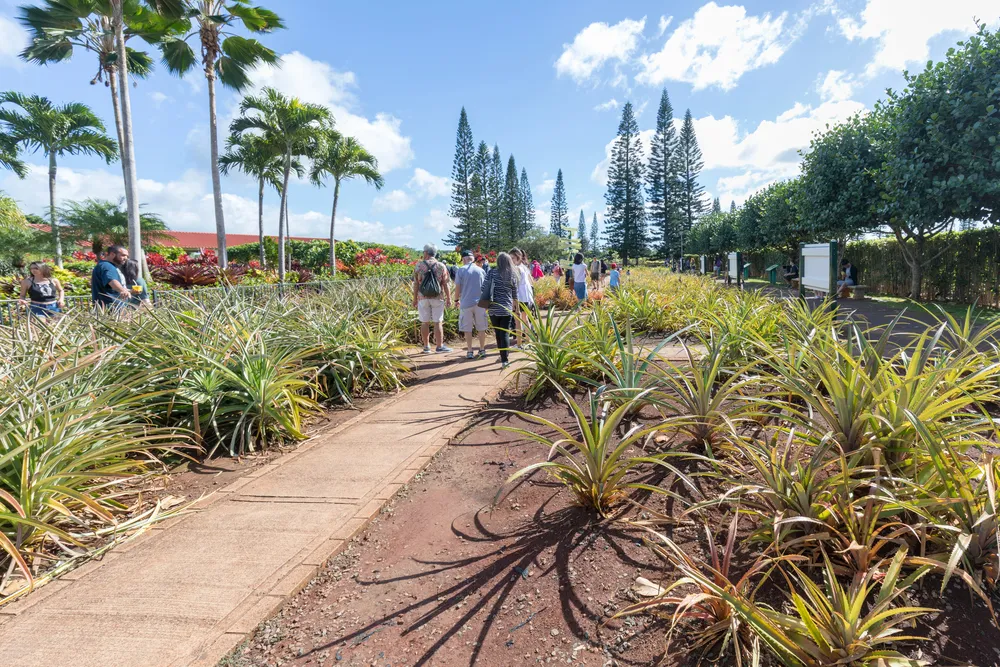
Hawaii's Historic Pineapple Capital
Written by a Local Historian
Kalani MillerThe smell of Cook Island pine needles mixing with the cool mountain air takes me back to childhood every time I visit Lānaʻi City. There's something about this place that feels different from anywhere else in Hawaii. Maybe it's the elevation at 1,700 feet, or the way the mist rolls through those towering trees on quiet mornings. But I think it's something deeper.
Aloha, friends. When people ask me which place in Hawaii truly feels like stepping back in time, my answer is always the same. Lānaʻi City. This small town in the heart of Lānaʻi isn't just another stop on your island-hopping adventure. It's a living piece of Hawaii's history, where the past isn't something you read about in books. You feel it in every step you take down those neat plantation streets.
As someone who grew up listening to my papa's stories about the old days, I've always been drawn to places where history lives and breathes. Lānaʻi City is one of those rare gems. It's more than a town. It's a living blueprint of a time when pineapples ruled these islands and immigrant families came from across the Pacific to build new lives in the red dirt fields.
Today, I want to share with you what makes this place so special. We'll walk together through its quiet streets. We'll meet the artists and shop owners who keep its spirit alive. And we'll uncover the stories that most visitors never hear. This is your complete journey into understanding not just what Lānaʻi City is, but why it matters.
The Living History of a Pineapple Kingdom
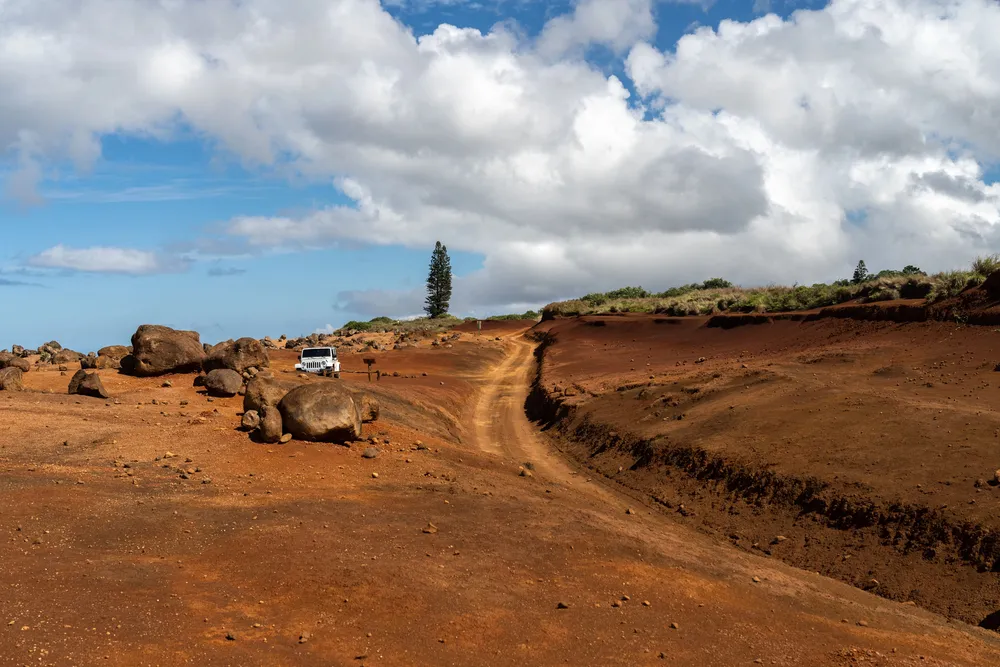
Before the first pineapple was ever planted, Lānaʻi had a much different story. Ancient Hawaiians knew this island well, though they called it a place of spirits and mystery. The legends my kūpuna shared tell of man-eating spirits that once roamed these hills. Parents would warn their children about this haunted place across the channel from Maui.
But every good Hawaiian story has a hero. In this case, it was a young prince named Kauluāʻau. He was what we might call a troublemaker today. His father, tired of his pranks, banished him to Lānaʻi expecting he would never return. Instead of becoming spirit food, the clever prince outwitted every demon on the island. When he lit a great victory fire that could be seen from Maui, his father knew his son had conquered the impossible.
That's how the island got its full name: Lānaʻi o Kauluāʻau, the Lānaʻi of Kauluāʻau. For centuries after, small fishing villages dotted the coastline. Families grew taro in the rich volcanic soil. King Kamehameha I himself loved to fish these waters when he was unifying the Hawaiian Islands. Life moved at the pace of the tides and the seasons.
Everything changed when the Westerners arrived. But the real transformation came in 1922 with one man's grand vision.
The Dole Dynasty and the Birth of a Town
James Drummond Dole stepped off a ship in Honolulu in 1899 with a Harvard business degree and a dream that seemed impossible. He wanted to turn Hawaii into America's tropical fruit basket. After years of building his pineapple business on Oahu, he set his sights on something much bigger. He wanted to buy an entire island.
In 1922, Dole purchased all of Lānaʻi. Every acre. Every beach. Every mountain peak. His plan was to create the world's largest pineapple plantation, a 20,000-acre operation that would earn Lānaʻi the nickname "The Pineapple Isle."
But Dole's story wasn't just about business. It was tied up in the complicated history of how Hawaii changed from a Native Hawaiian kingdom to an American territory. Understanding this context helps us see both the achievements and the costs of the plantation era.
His grandfather, Daniel Dole, had been a Christian missionary who arrived in 1840. These missionaries didn't just bring religion. They brought new ideas about land ownership that changed everything.
The Māhele of 1848 was a turning point. This land division split up traditional Hawaiian land practices and let foreigners buy property for the first time. Native Hawaiians lost vast amounts of their ancestral lands. These changes created the conditions that let someone like James Dole buy an entire island decades later.
The family connections went even deeper. James Dole's cousin, Sanford B. Dole, became president of the Republic of Hawaii after the overthrow of Queen Liliʻuokalani in 1893. This painful chapter in Hawaiian history set the stage for the plantation system that would dominate the islands for generations.
When I walk through Lānaʻi City today, I think about these layers of history. The beautiful town we see was built on complex foundations of cultural change and loss. It's important to understand both the achievements and the costs of this era.
Continue Exploring Lānaʻi City
Discover the town's design, the people who built it, and what makes it special today
ℹ️ Quick Info
- Elevation: 1,700 feet
- Population: ~3,200
- Founded: 1923
- Climate: Cool & Mild
- Best Time: Year-round
📖 Explore This Guide
🎒 What to Bring
- Light jacket (cool climate)
- Walking shoes
- Camera for history
- Cash for local shops