When to Plan Your Trip
Mastering Kauai's Whale Season

Written by an Ocean Expert
Kalani MillerWhen to Plan Your Trip: Mastering Kauai's Whale Season
Timing is everything when it comes to whale watching. While the season is long, the experience changes from month to month. Understanding this natural rhythm will help you plan a trip that aligns perfectly with what you hope to see.
The overall whale watching season in Kauai generally runs from November through May, with some early birds spotted in October and a few stragglers lingering into June. However, for the best chances of seeing high numbers of whales and spectacular surface activity, you should plan your visit during the peak season from January through March.
A Month-by-Month Breakdown
Early Season (November - December)
The first whales to arrive are often juveniles and adult males, like scouts paving the way. Sightings in November can be sporadic, but they become much more consistent by mid-December. Pregnant females are typically the last to arrive, staying in Alaska as long as possible to build up energy reserves.
During these early months, whale behavior tends to be more relaxed. Water conditions are often ideal with calmer seas and lighter tourist crowds.
Peak Season (January - February) ⭐
This is the heart of the action. The waters around Kauai are teeming with whales, and the activity is at its most dramatic. This is prime time for mating behaviors, including awe-inspiring competition pods where multiple males aggressively compete for the attention of a single female.
During peak season, seeing more than 50 individual whales during a single tour isn't uncommon. The constant activity means there's rarely a dull moment.
The Nursery (March)
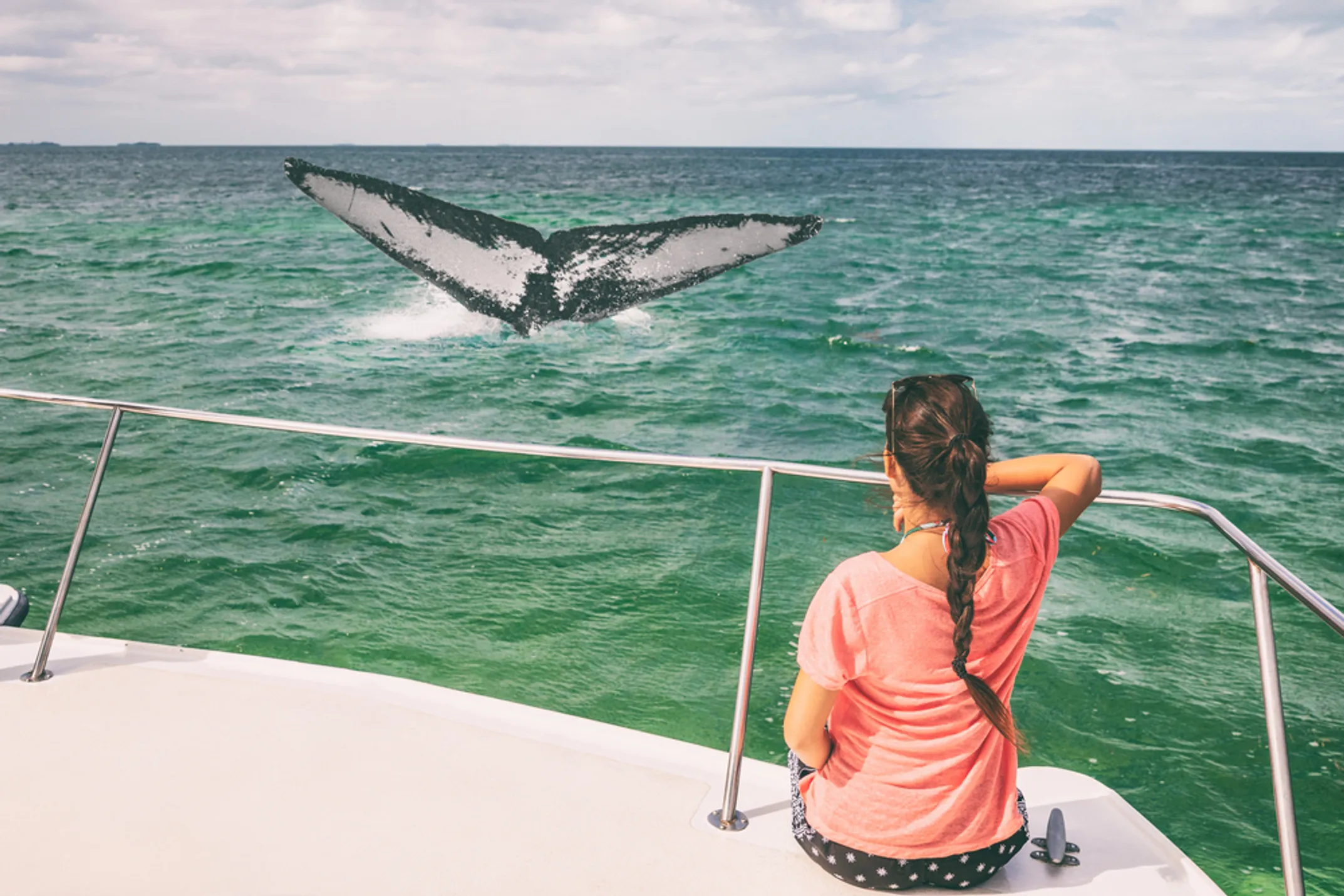
While still considered peak season, the focus shifts. The first calves (keiki) of the season are now a few weeks old. March is an exceptional month for seeing mothers with their newborn calves teaching their young essential skills like breaching and tail slapping.
Newborn calves are born at around 14 feet long and can gain up to 100 pounds per day. Watching the mother-calf bond is an unforgettable experience.
Late Season (April - May)
The season winds down with a more serene energy. Many adult whales have started their migration back to Alaska, but this is prime time for mothers and their growing calves. The calves are now bigger, stronger, and more curious, often putting on playful displays.
By late season, calves are more likely to approach boats out of curiosity, leading to some of the most intimate whale encounters of the year.

Whale Watch and Sunset Cruise
January through March offers the best whale watching experiences. Book your tour now to secure your spot during peak season.
*Estimated starting price. Prices subject to change. Check availability for current rates.
Best Time of Day
For the best possible experience, I always recommend booking a tour in the early morning. The seas are generally at their calmest, the light is soft and beautiful for photos, and the whales are often at their most active. The second-best time is late afternoon, when you're rewarded with the golden light of the setting sun.
There's something almost mystical about being on the water at sunrise, watching the first light of day illuminate the ocean while listening for the distinctive sound of whale blows.
Book Whale Watching Tours
Reserve your Kauai whale watching charter. Private and intimate experiences!
*Estimated. Prices subject to change.
📅 Season Summary
- Nov-Dec Early arrivals
- Jan-Feb ⭐ Peak season
- March Mothers with calves
- Apr-May Late season
🕐 Best Times
- Early morning (6-9 AM)
- Late afternoon (3-6 PM)
- Calmest seas at dawn
Ready for Your Kauai Whale Adventure?


Ready to Experience Peak Whale Season?
January through March offers the best whale watching in Kauai. Reserve your spot now for an unforgettable experience.